China Orders Removal of Government Windows 10 Edition
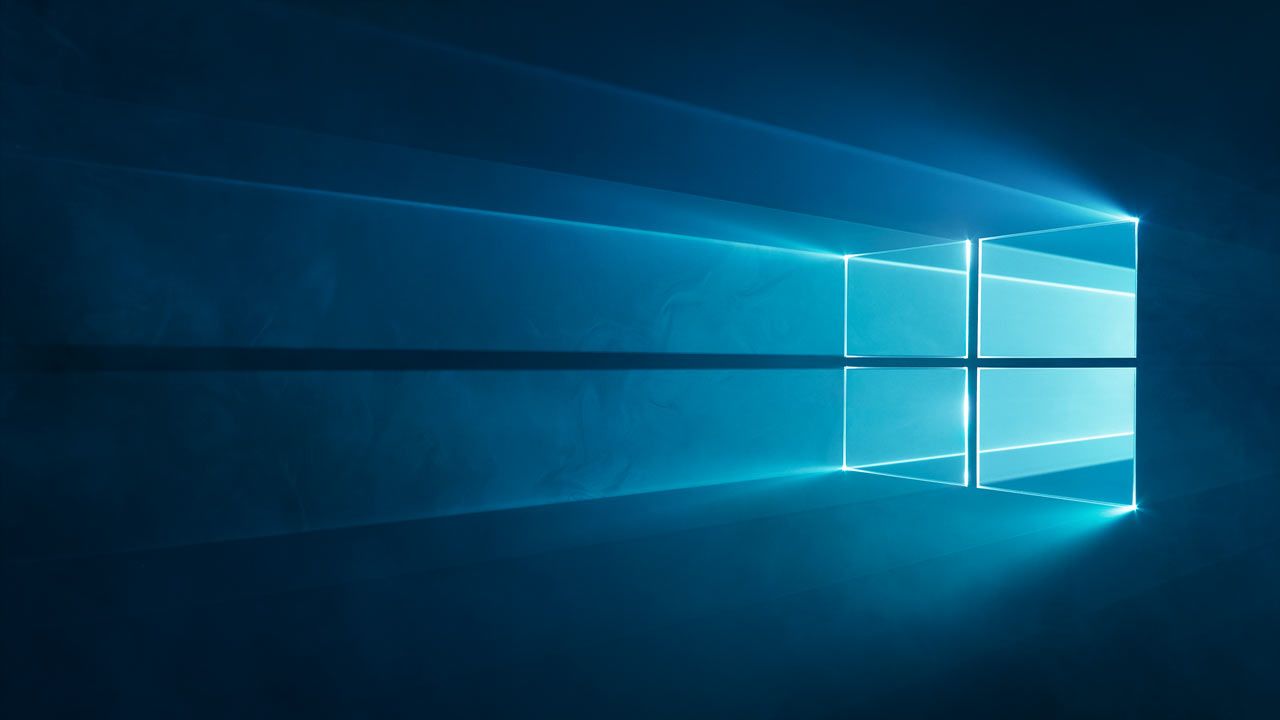
💡A government Windows retirement could disrupt regulated AI deployments and data-handling workflows.
⚡ 30-Second TL;DR
What Changed
China's Ministry of State Security reportedly issued the removal guidance.
Why It Matters
Government and enterprise operators may face accelerated migration, compatibility testing, and procurement decisions. AI teams running workloads on affected systems should verify operating-system support and data-governance requirements before deployment.
What To Do Next
Use Microsoft Intune or Configuration Manager to inventory affected Windows 10 installations and identify AI workloads that need migration testing.
Key Points
- •China's Ministry of State Security reportedly issued the removal guidance.
- •The affected software is a customized, government-only edition of Windows 10.
- •Data security concerns are accelerating the operating system's planned retirement.
🧠 Deep Insight
AI-generated analysis for this event.
🔑 Enhanced Key Takeaways
- •The directive is part of a broader 'Xinchuang' (IT innovation) policy aimed at replacing foreign technology with domestic alternatives in critical sectors.
- •The customized Windows 10 version was originally developed through a joint venture between Microsoft and China Electronics Technology Group (CETC) to meet local security requirements.
- •Government agencies are being directed to transition to domestic operating systems based on the Linux kernel, such as Kylin OS or UOS (Unity Operating System).
- •This removal order specifically targets systems handling sensitive data, reflecting heightened geopolitical tensions and concerns over potential backdoors in Western software.
- •The move follows a series of cybersecurity reviews by the Cyberspace Administration of China (CAC) that have increasingly restricted the use of foreign hardware and software in state-owned enterprises.
📊 Competitor Analysis▸ Show
| Feature | Windows 10 (Gov Edition) | Kylin OS | UOS (Unity OS) |
|---|---|---|---|
| Kernel | Windows NT | Linux | Linux |
| Ecosystem | Legacy Win32 Apps | Limited / Wine | Limited / Wine |
| Security | Proprietary/Closed | State-Certified | State-Certified |
| Target | Government/Enterprise | Government/Military | Government/Consumer |
🛠️ Technical Deep Dive
- The Windows 10 China Government Edition was architected to allow the Chinese government to manage and remove specific Windows features, such as telemetry and cloud-based services, that were deemed security risks.
- It utilized a specialized activation mechanism that relied on local KMS (Key Management Service) servers controlled by the Chinese government rather than Microsoft's global servers.
- Domestic replacements like Kylin OS utilize the LoongArch or ARM-based instruction sets to further reduce reliance on x86 architecture controlled by US-based companies.
- Transitioning systems requires the implementation of compatibility layers (such as Wine or specialized virtualization) to run legacy government applications originally written for the Windows API.
🔮 Future ImplicationsAI analysis grounded in cited sources
⏳ Timeline
Weekly AI Recap
Read this week's curated digest of top AI events →
👉Related Updates


AI-curated news aggregator. All content rights belong to original publishers.
Original source: Tom's Hardware ↗