Adata Turns Salvaged DDR5 Into High-Speed Performance
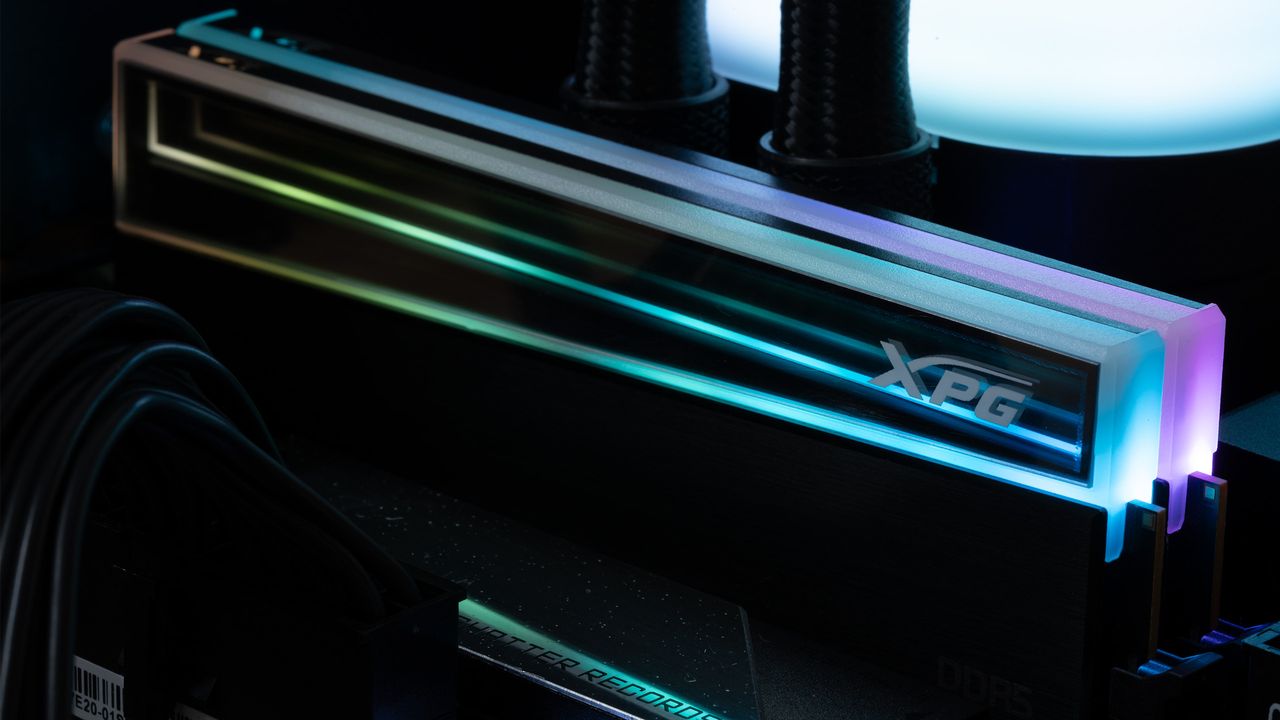
💡DDR5 capacity and latency can shape the cost and responsiveness of local AI workstations.
⚡ 30-Second TL;DR
What Changed
Kit includes two 16GB DDR5 modules for 32GB total capacity
Why It Matters
System memory capacity and latency can affect local AI experimentation, data preprocessing, and multitasking. However, this consumer-oriented RGB kit is more relevant to workstation builders than to large-scale AI infrastructure.
What To Do Next
Before building a local AI workstation, compare this 32GB kit's price and capacity against a 64GB or 96GB DDR5 configuration for your dataset and model-loading needs.
Key Points
- •Kit includes two 16GB DDR5 modules for 32GB total capacity
- •Rated for DDR5-6000 speed with CL30 timings
- •Launched as part of Adata's XPG Novakey RGB series during a memory crunch
🧠 Deep Insight
AI-generated analysis for this event.
🔑 Enhanced Key Takeaways
- •The 'salvaged' nature of the memory refers to Adata's utilization of high-quality ICs that may have failed stricter binning processes for higher-frequency kits but remain stable at DDR5-6000 C30 specifications.
- •Adata employs a proprietary 'A-Die' or 'M-Die' sorting strategy to maintain the tight CL30 latency despite the supply chain constraints characterizing the current memory market.
- •The XPG Novakey RGB series integrates a customized PMIC (Power Management Integrated Circuit) designed to improve voltage stability during overclocking scenarios compared to standard JEDEC-compliant modules.
- •Thermal management is handled by a reinforced aluminum heat spreader that utilizes a high-conductivity thermal pad to mitigate heat soak during extended high-load operations.
- •The kit features full compatibility with Adata's XPG Prime software, allowing users to synchronize RGB lighting effects with other XPG peripherals and motherboard ecosystems.
📊 Competitor Analysis▸ Show
| Feature | Adata XPG Novakey RGB | Corsair Vengeance RGB | G.Skill Trident Z5 RGB |
|---|---|---|---|
| Speed | DDR5-6000 | DDR5-6000 | DDR5-6000 |
| Latency | CL30 | CL30 | CL30 |
| Capacity | 32GB (2x16GB) | 32GB (2x16GB) | 32GB (2x16GB) |
| Positioning | Value/Performance | Premium/Mainstream | Enthusiast/Premium |
🛠️ Technical Deep Dive
- Architecture: Dual-channel DDR5 UDIMM configuration.
- PMIC: On-module power management with programmable voltage rails.
- On-Die ECC: Integrated Error Correction Code for enhanced data reliability.
- PCB: 10-layer custom PCB design to reduce signal interference and improve trace integrity.
- Voltage: Rated at 1.35V for the XMP 3.0 profile.
🔮 Future ImplicationsAI analysis grounded in cited sources
⏳ Timeline
Weekly AI Recap
Read this week's curated digest of top AI events →
👉Related Updates

AI-curated news aggregator. All content rights belong to original publishers.
Original source: Tom's Hardware ↗