ChatGPT Voice Mode Sounds More Natural
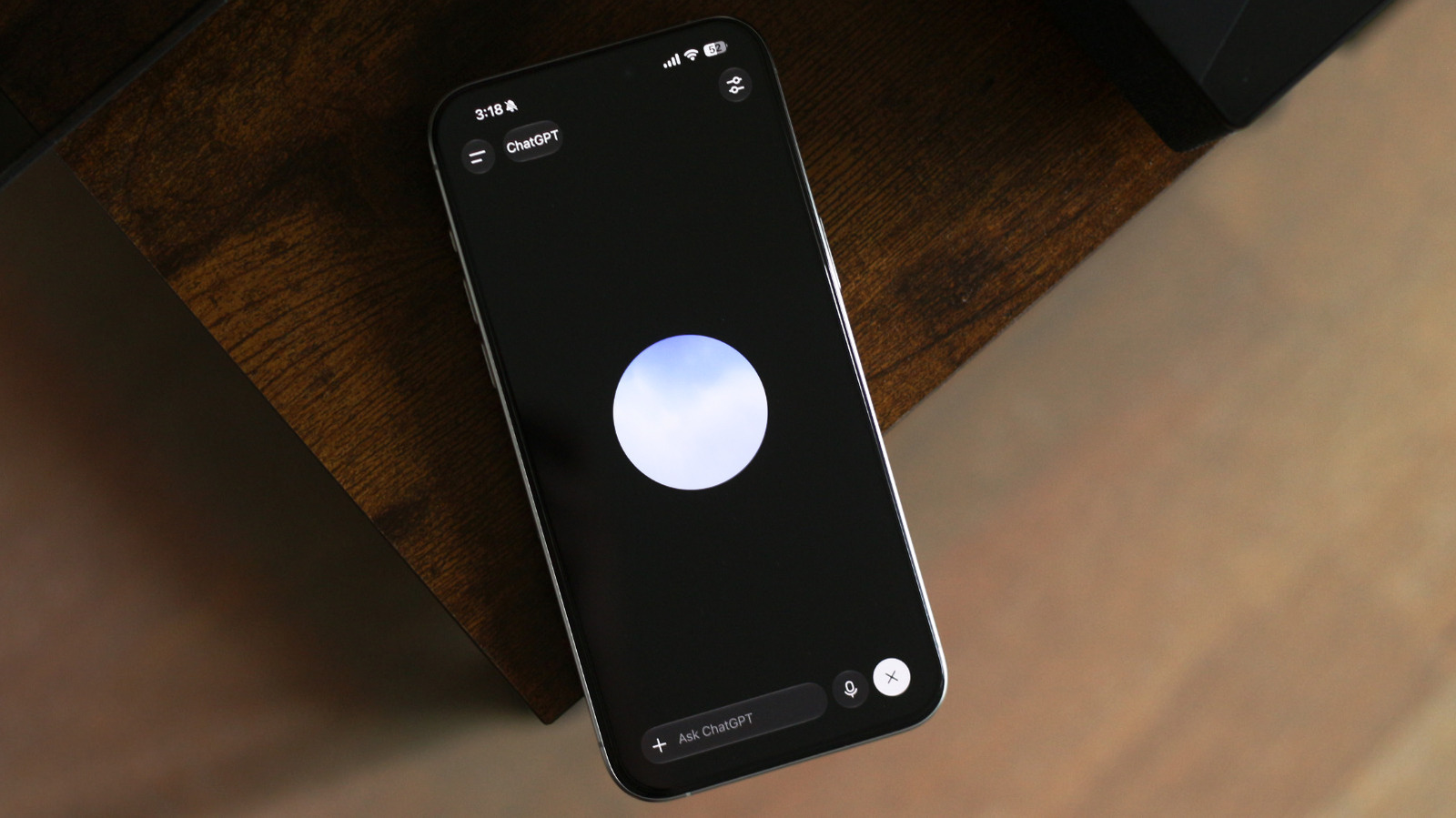
See how ChatGPT’s updated Voice Mode can make spoken AI interactions feel less awkward.
30-Second TL;DR
What Changed
ChatGPT Voice Mode is designed to make spoken conversations feel less awkward.
Why It Matters
More natural voice interaction could improve accessibility and make ChatGPT more useful for hands-free workflows, language practice, and conversational applications. AI practitioners can also view the feature as a reference point for designing lower-friction voice interfaces.
What To Do Next
Open ChatGPT and test Voice Mode in a hands-free workflow, recording response naturalness, interruption handling, and task completion against your current voice interface.
Key Points
- •ChatGPT Voice Mode is designed to make spoken conversations feel less awkward.
- •Users can interact with ChatGPT through conversational voice exchanges.
- •The article provides practical instructions for accessing and using the updated mode.
Deep Insight
AI-generated analysis for this event — not the original article.
Enhanced Key Takeaways
- •The updated Voice Mode utilizes OpenAI's GPT-4o (Omni) model, which enables native multimodal processing to handle audio, vision, and text in real-time without separate transcription steps.
- •Latency has been significantly reduced, allowing the model to respond to audio inputs in as little as 232 milliseconds, mimicking human-like conversational reaction times.
- •The system incorporates emotional intelligence capabilities, allowing the model to detect user tone and adjust its own vocal inflection, pacing, and emphasis accordingly.
- •OpenAI implemented advanced safety guardrails, including voice filtering and content moderation, to prevent the generation of harmful, copyrighted, or impersonated audio content.
- •The feature supports real-time interruptions, enabling users to speak over the AI to change the topic or correct the model mid-sentence, a significant departure from previous turn-based voice interfaces.
Competitor Analysis
- ChatGPT (Advanced Voice)
- Ultra-low (Native)
- Google Gemini Live
- Low
- Anthropic Claude
- N/A (Text-focused)
- ChatGPT (Advanced Voice)
- High
- Google Gemini Live
- Moderate
- Anthropic Claude
- N/A
- ChatGPT (Advanced Voice)
- Yes
- Google Gemini Live
- Yes
- Anthropic Claude
- No
- ChatGPT (Advanced Voice)
- Plus/Team/Enterprise
- Google Gemini Live
- Gemini Advanced
- Anthropic Claude
- N/A
| Feature | ChatGPT (Advanced Voice) | Google Gemini Live | Anthropic Claude |
|---|---|---|---|
| Multimodal Latency | Ultra-low (Native) | Low | N/A (Text-focused) |
| Emotional Inflection | High | Moderate | N/A |
| Interruptibility | Yes | Yes | No |
| Pricing | Plus/Team/Enterprise | Gemini Advanced | N/A |
Technical Deep Dive
- Architecture: Utilizes a single end-to-end neural network trained across text, audio, and images, eliminating the need for separate ASR (Automatic Speech Recognition) and TTS (Text-to-Speech) pipelines.
- Audio Processing: Processes raw audio waveforms directly, which preserves paralinguistic cues like laughter, singing, and varying emotional states.
- Tokenization: Employs a specialized audio tokenizer that compresses audio data into a format compatible with the transformer architecture while maintaining high fidelity.
- Inference: Runs on optimized GPU clusters to maintain sub-second latency, utilizing speculative decoding to speed up response generation.
Future ImplicationsAI analysis grounded in cited sources
Timeline
- 2023-09OpenAI introduces the initial version of ChatGPT Voice, allowing users to speak with the model.
- 2024-05OpenAI announces GPT-4o, featuring native multimodal capabilities and significantly improved voice responsiveness.
- 2024-09Advanced Voice Mode begins rolling out to ChatGPT Plus and Team users.
- 2025-05OpenAI expands Voice Mode availability to include free-tier users with usage limits.
- 2026-02Integration of 'Memory' features allows Voice Mode to recall user preferences across different sessions.
Weekly AI Recap
Read this week's curated digest of top AI events →
Related Updates

AI-curated news aggregator. All content rights belong to original publishers.
Original source: Engadget ↗
This is a summary, not the original. Read the source, or get the weekly briefing.
The weekly digest
One email a week. Unsubscribe anytime.