ChatGPT Health Underrates Half of Emergencies
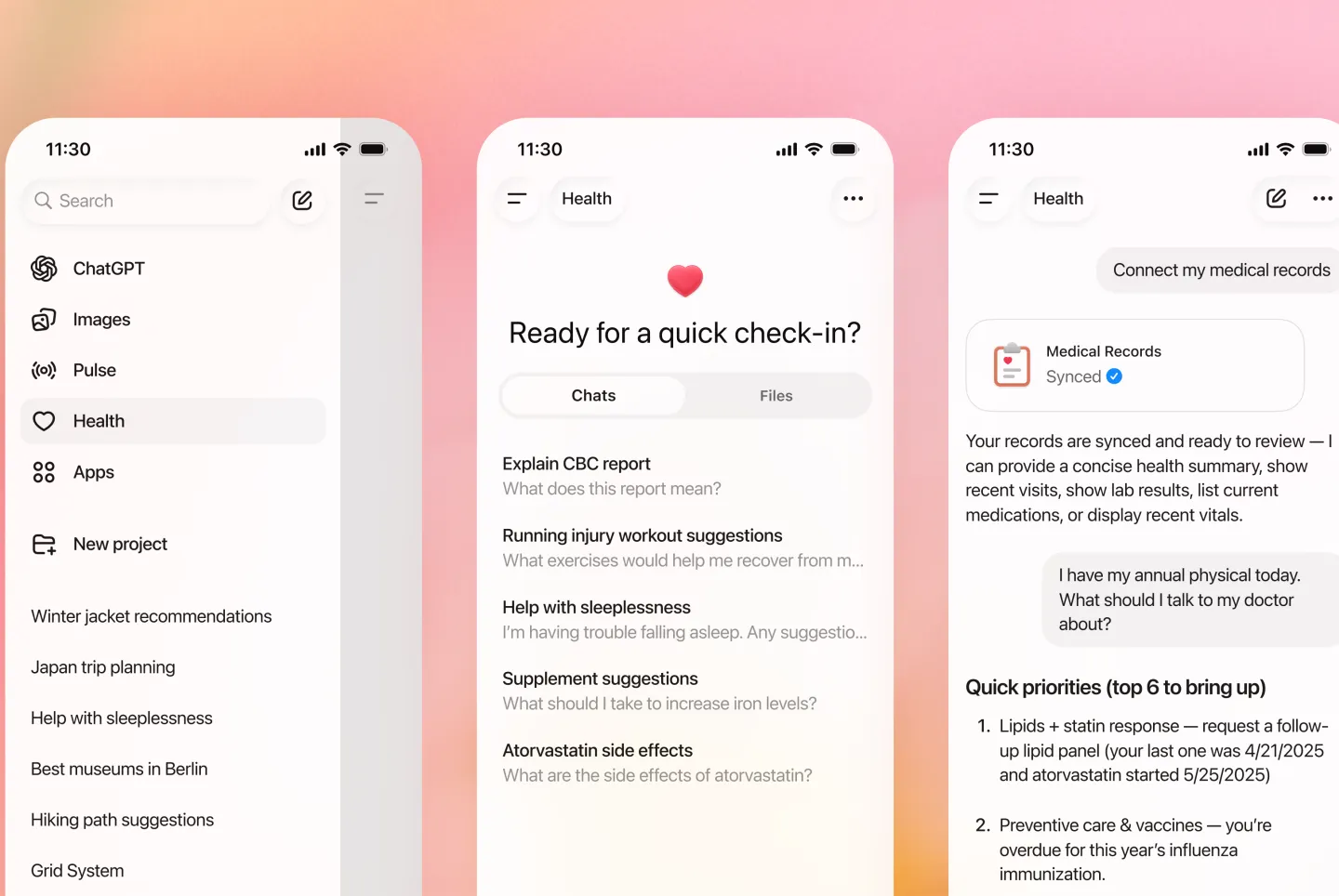
💡Nature study: ChatGPT Health fails 50% emergency triages—key for med AI devs
⚡ 30-Second TL;DR
What Changed
Published in Nature Medicine
Why It Matters
Underscores limitations of current LLMs in high-stakes medical triage, urging caution in healthcare deployments and more robust validation.
What To Do Next
Benchmark your medical AI triage model against clinician judgments on emergency datasets.
Key Points
- •Published in Nature Medicine
- •Tested on 60 real-world medical cases
- •Underrated severity in nearly 50% of emergencies
- •Compared to 3 clinicians using guidelines
🧠 Deep Insight
Background and context from public sources — not the original article. 4 sources cited.
🔑 Enhanced Key Takeaways
- •ChatGPT Health launched in January 2026 and quickly reached about 40 million weekly users seeking health advice, including triage guidance.[1][2][3]
- •The study tested 960 interactions by varying 16 conditions like patient race, gender, symptom minimization by family, and care barriers, finding anchoring bias shifted recommendations toward less urgent care with OR 11.7.[1][3]
- •Suicide crisis alerts triggered inconsistently, appearing more often without specific self-harm methods and failing in some high-risk cases with detailed plans.[1][3]
- •Potential racial disparity observed: Black patients with diabetic ketoacidosis under-triaged 4 times more often than white patients, though not statistically powered.[2]
🔮 Future ImplicationsAI analysis grounded in cited sources
⏳ Timeline
📎 Sources (4)
Factual claims are grounded in the sources below. Forward-looking analysis is AI-generated interpretation.
Weekly AI Recap
Read this week's curated digest of top AI events →
👉Related Updates

AI-curated news aggregator. All content rights belong to original publishers.
Original source: cnBeta (Full RSS) ↗
This is a summary, not the original. Read the source, or get the weekly briefing.
Weekly AI briefing
One email a week. Unsubscribe anytime.