Bill Gates Proposes Robot Taxes and Human-Reserved Jobs
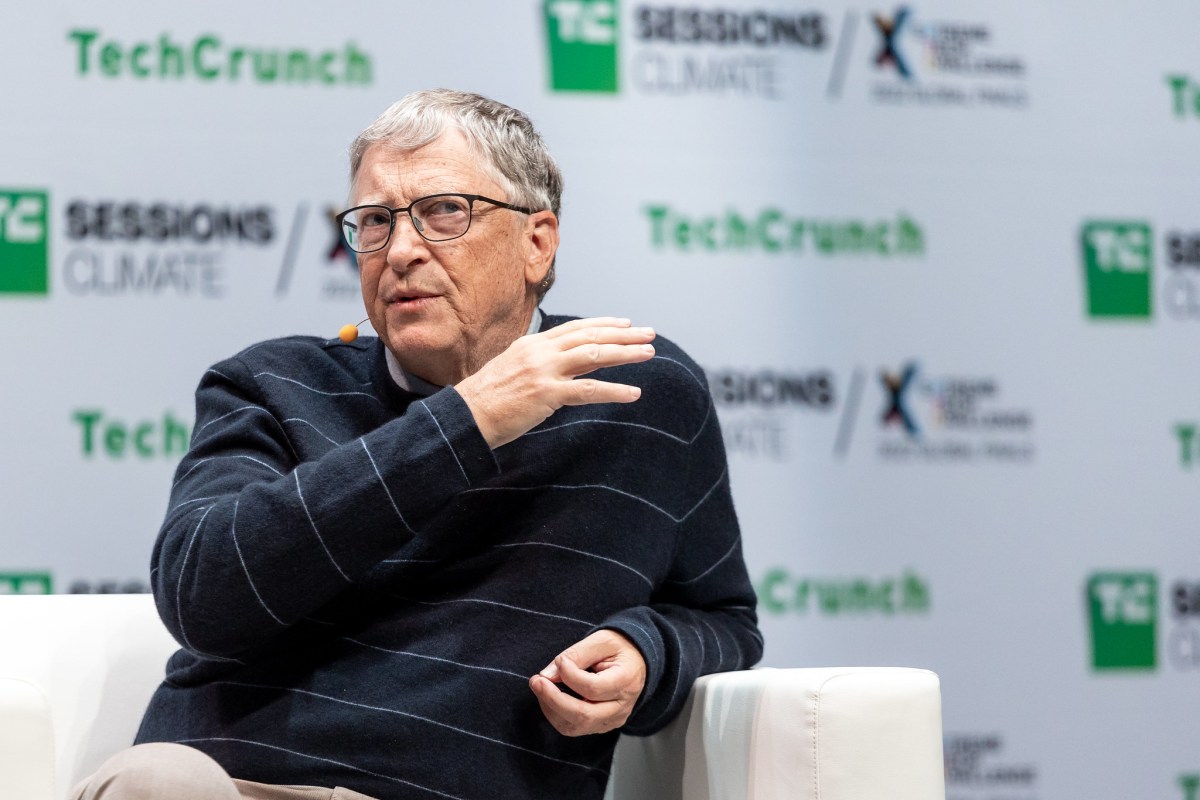
💡See how robot taxes and human-only jobs could reshape AI deployment and workforce planning.
⚡ 30-Second TL;DR
What Changed
Bill Gates supports exploring a tax on robots or automated systems to offset AI-related disruption.
Why It Matters
If adopted, these policies could affect automation economics, workforce planning, and the deployment of AI-powered systems. They may also create new compliance and classification questions for companies automating human work.
What To Do Next
Map which roles in your AI deployment could require human approval or remain human-only, and document the rationale for each classification.
Key Points
- •Bill Gates supports exploring a tax on robots or automated systems to offset AI-related disruption.
- •He proposes “Human Reserved” jobs that would remain restricted to people rather than automation.
- •The ideas frame AI governance as a labor and economic policy challenge, not only a model-safety issue.
📰 Event Coverage
Weekly AI Recap
Read this week's curated digest of top AI events →
👉Related Updates



AI-curated news aggregator. All content rights belong to original publishers.
Original source: TechCrunch AI ↗
This is a summary, not the original. Read the source, or get the weekly briefing.
Weekly AI briefing
One email a week. Unsubscribe anytime.