Big tech firms race to automate college admission counseling
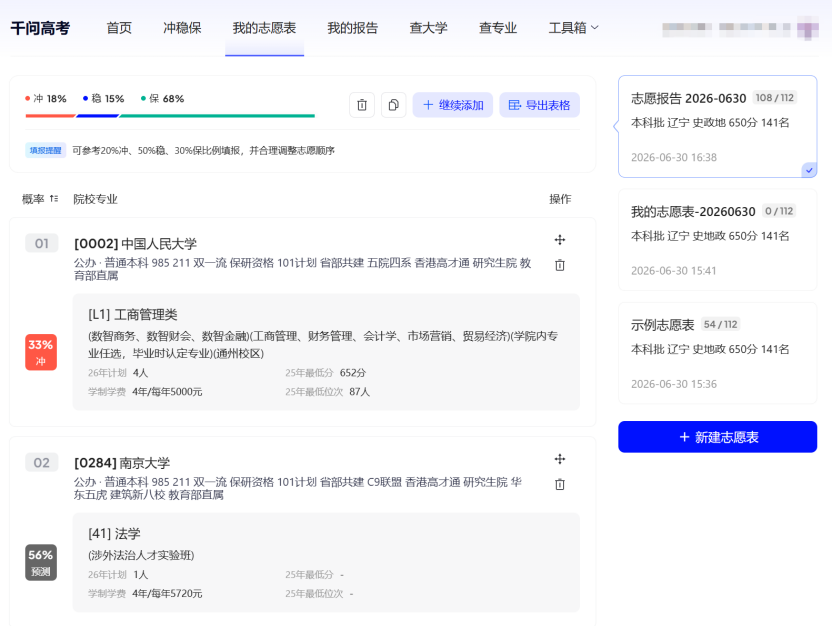
💡See how big tech is applying LLMs to high-stakes, data-heavy decision support scenarios in the education sector.
⚡ 30-Second TL;DR
What Changed
AI agents are being used to process complex admission rules and provide 'charge-stable-guarantee' (冲稳保) strategies.
Why It Matters
AI is democratizing access to admission data, but the commoditization of 'admission strategies' may lead to algorithmic homogeneity, potentially rendering the advice less effective.
What To Do Next
Evaluate the 'hallucination' rate of your RAG-based admission agents by testing them against historical provincial admission datasets.
Key Points
- •AI agents are being used to process complex admission rules and provide 'charge-stable-guarantee' (冲稳保) strategies.
- •The market is shifting from human-led consulting to AI-driven, high-efficiency information aggregation.
- •AI faces limitations in providing personalized, high-stakes career advice compared to human experts like the late Zhang Xuefeng.
🧠 Deep Insight
AI-generated analysis for this event — not the original article.
🔑 Enhanced Key Takeaways
- •The integration of AI in Gaokao counseling has led to a significant reduction in service costs, with many platforms offering basic AI-generated reports for free or at a fraction of the cost of traditional human consultants.
- •Regulatory bodies in China have begun issuing guidelines on the use of generative AI in educational services, specifically targeting the accuracy of admission data and the prevention of algorithmic bias.
- •Data privacy concerns have emerged as a major hurdle, as AI agents require access to sensitive student performance data and personal preferences, prompting new compliance requirements for tech firms.
- •The 'Zhang Xuefeng effect' has created a unique market dynamic where AI models are being fine-tuned specifically to mimic the tone and strategic logic of popular human influencers to gain user trust.
- •Educational tech firms are increasingly partnering with provincial education departments to integrate official admission databases directly into AI models, aiming to solve the 'hallucination' problem common in general-purpose LLMs.
📊 Competitor Analysis▸ Show
| Feature | Alibaba (Tongyi) | Tencent (Hunyuan) | Baidu (Ernie) |
|---|---|---|---|
| Data Integration | High (E-commerce/Cloud) | High (Social/Education) | Very High (Search/Knowledge) |
| Pricing Model | Freemium/Subscription | Freemium | Freemium/Ad-supported |
| Strategic Focus | Ecosystem integration | Social/Community advice | Search-based accuracy |
🛠️ Technical Deep Dive
- Models utilize Retrieval-Augmented Generation (RAG) to connect LLMs with real-time, localized Gaokao admission databases to minimize factual errors.
- Implementation involves fine-tuning on historical admission data (past 5-10 years) to calculate probability distributions for 'charge-stable-guarantee' (冲稳保) recommendations.
- Systems employ multi-agent frameworks where one agent acts as a data retriever, another as a strategic planner, and a third as a compliance checker to ensure advice adheres to educational regulations.
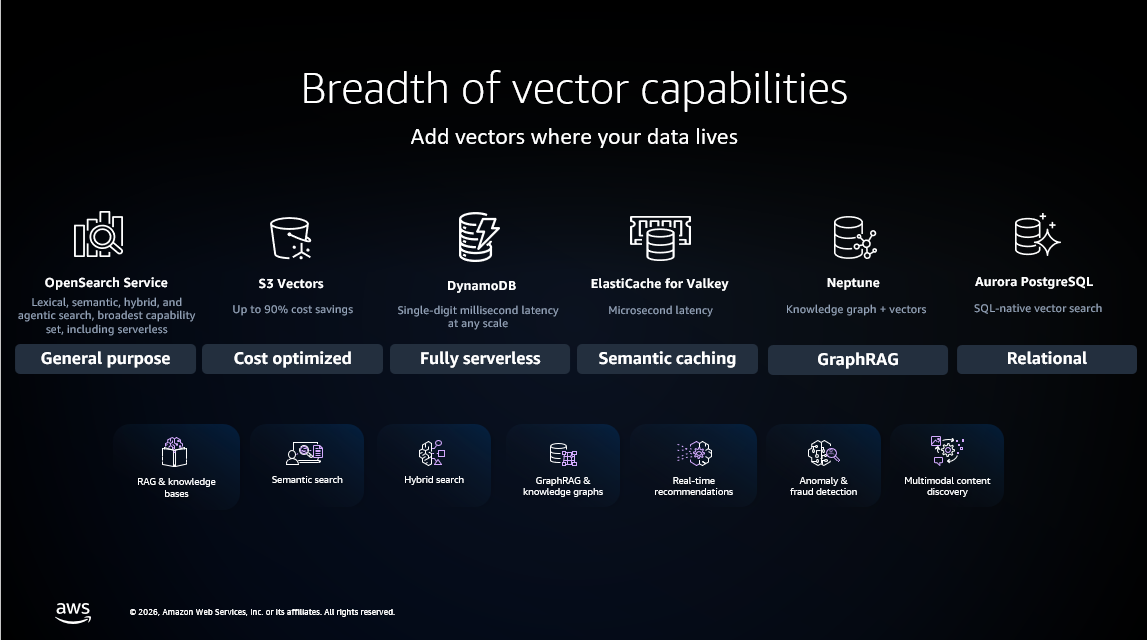
- Vector databases are used to store and query unstructured policy documents from various provincial education bureaus for rapid context retrieval.
🔮 Future ImplicationsAI analysis grounded in cited sources
⏳ Timeline
Weekly AI Recap
Read this week's curated digest of top AI events →
👉Related Updates

AI-curated news aggregator. All content rights belong to original publishers.
Original source: 虎嗅 ↗
This is a summary, not the original. Read the source, or get the weekly briefing.
Weekly AI briefing
One email a week. Unsubscribe anytime.