Apple Backs Google Against EU AI Regulation
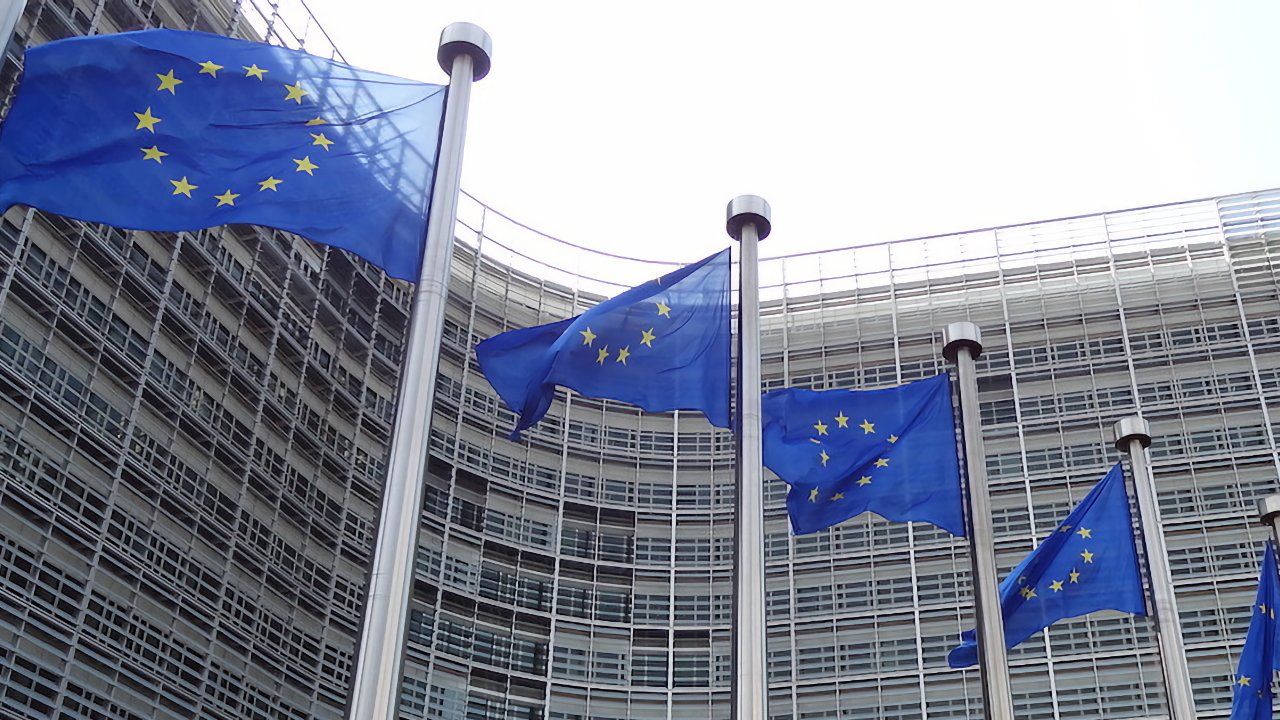
Big Tech is aligning to fight EU AI mandates; this will dictate how open your platform must be to competitors.
30-Second TL;DR
What Changed
EU proposed forcing Google to open Android service interfaces to AI rivals
Why It Matters
This alliance between tech giants signals a unified front against aggressive EU digital market regulations, which could reshape the landscape for AI platform interoperability.
What To Do Next
Monitor EU regulatory filings regarding the Digital Markets Act (DMA) to understand how future API interoperability requirements might impact your platform's integration strategy.
Key Points
- •EU proposed forcing Google to open Android service interfaces to AI rivals
- •Apple formally sided with Google in opposition to the mandate
- •Concerns raised regarding regulatory overreach and platform integrity
Deep Insight
Background and context from public sources — not the original article. 20 sources cited.
Enhanced Key Takeaways
- •Apple's formal objection is specifically directed at draft measures under the EU's Digital Markets Act (DMA) that would compel Google to open Android service interfaces to rival AI providers.
- •The proposed EU measures aim to enable competing AI services to deeply interact with Android applications for tasks such as sending emails or ordering food, and to be activated by custom 'wake words,' functionalities currently largely exclusive to Google's own AI offerings like Gemini.
- •Apple's concerns are rooted in the potential precedent these regulations could establish for its own iOS ecosystem, as it is also designated as a 'gatekeeper' under the DMA and faces similar interoperability mandates for its services.
- •The European Commission initiated specification proceedings in January 2026 to detail Google's compliance with DMA interoperability obligations for AI services, issuing preliminary findings in April 2026, with a public consultation period concluding on May 13, 2026.
- •Apple explicitly challenged the European Commission's technical expertise, suggesting the regulator is 'redesigning an OS' based on a limited review, and warned of 'profound risks for user privacy, security, and safety as well as device integrity and performance' given the rapid evolution of AI systems.
Technical Deep Dive
- Android services are core components designed to execute long-running operations in the background without a user interface.
- The three primary types of Android services are Foreground, Background, and Bound.
- **Foreground Services:** Perform tasks noticeable to the user and require a persistent notification (e.g., a music player).
- **Background Services:** Handle tasks not directly observed by the user (e.g., data synchronization), but are subject to significant restrictions in newer Android versions for battery and performance optimization.
- **Bound Services:** Offer a client-server interface, enabling application components to bind to the service for Inter-Process Communication (IPC), sending requests, and receiving responses.
- The EU's proposed measures specifically target opening up 'key Android capabilities' to third-party AI services, including wake-word activation, access to contextual data, integration with applications, and utilization of necessary hardware and software resources for reliable AI functionality.
- Implementing these interoperability requirements would necessitate Google providing comprehensive and well-documented frameworks and APIs, along with technical assistance.
- Google Play Services offers client libraries and APIs that allow developers to integrate various Google services, such as Maps, into their applications, with updates distributed automatically via the Google Play Store.
Future ImplicationsAI analysis grounded in cited sources
Timeline
- 2020-12European Commission submitted the Digital Markets Act (DMA) proposal.
- 2022-11-01The Digital Markets Act (DMA) entered into force.
- 2023-09-06European Commission designated Google (Alphabet) as a 'gatekeeper' under the DMA for services including Android.
- 2024-03-07Designated gatekeepers, including Google, were required to comply with DMA obligations.
- 2024-08-02The EU AI Act entered into force (with staggered applicability).
- 2025-03-19European Commission issued decisions specifying Apple's interoperability requirements for iOS connected devices under the DMA.
- 2026-01-27European Commission opened specification proceedings to assist Google in complying with DMA interoperability obligations for Android features relevant to AI services.
- 2026-04-26European Commission sent preliminary findings to Google outlining draft measures for Android AI interoperability and opened a public consultation.
- 2026-05-13Public consultation period for Google's Android AI interoperability measures ended, with Apple submitting its formal objection.
Sources (20)
Factual claims are grounded in the sources below. Forward-looking analysis is AI-generated interpretation.
Weekly AI Recap
Read this week's curated digest of top AI events →
Related Updates



AI-curated news aggregator. All content rights belong to original publishers.
Original source: cnBeta (Full RSS) ↗
This is a summary, not the original. Read the source, or get the weekly briefing.
The weekly digest
One email a week. Unsubscribe anytime.