Aletta Wins FDA Approval for Autonomous Blood Draws
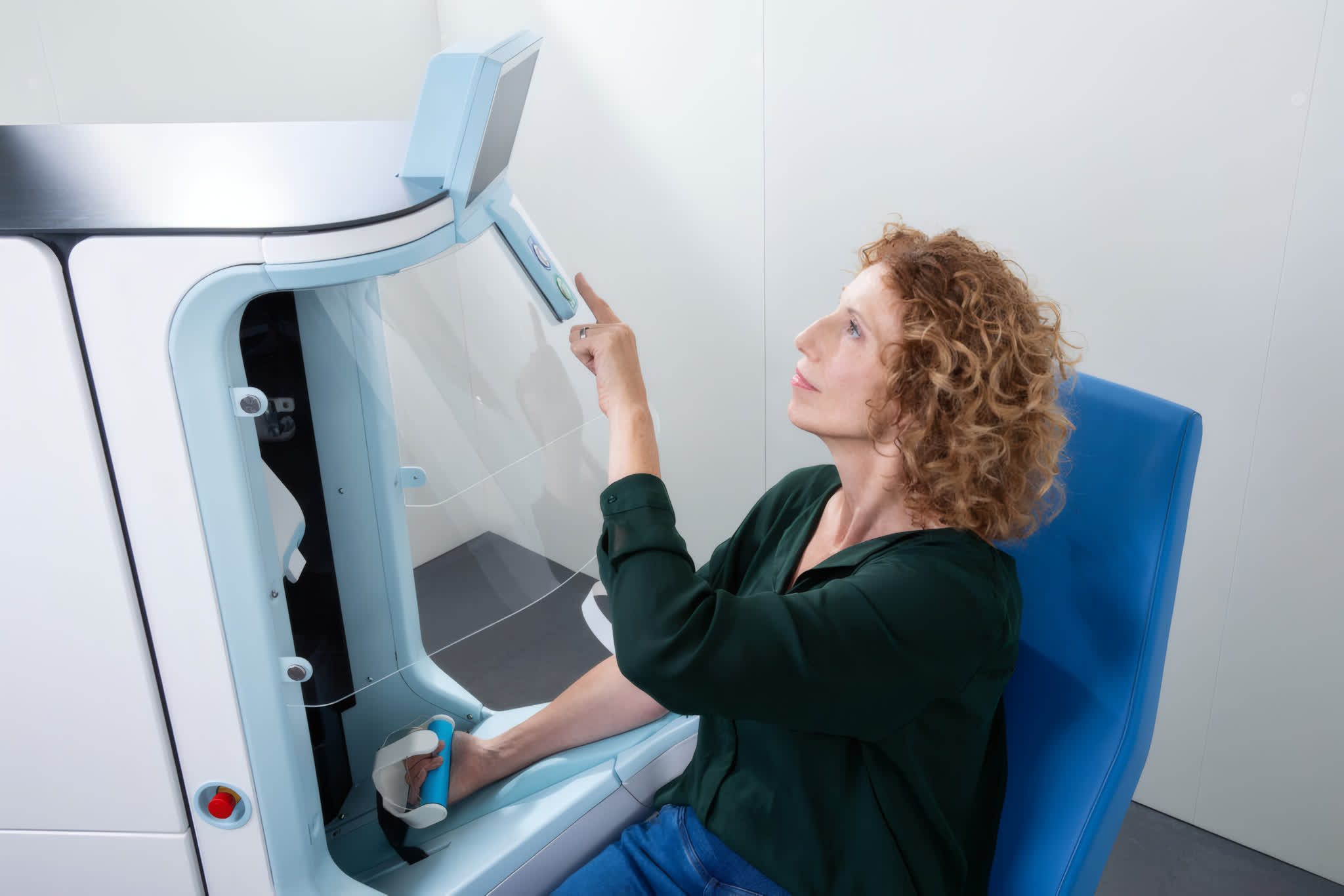
💡FDA approval signals that autonomous medical robots are moving from demos into real clinical workflows.
⚡ 30-Second TL;DR
What Changed
FDA formally approved Aletta for automated blood collection.
Why It Matters
Aletta could improve the scalability and consistency of blood collection in hospitals, laboratories, and other clinical settings. For AI and robotics builders, the approval demonstrates how embodied automation can move from prototype development into regulated healthcare deployment.
What To Do Next
Evaluate FDA-cleared robotic phlebotomy workflows such as Aletta against your clinic's safety, integration, and human-override requirements before starting a pilot.
Key Points
- •FDA formally approved Aletta for automated blood collection.
- •The robot performs vein detection, needle insertion, and blood withdrawal.
- •Aletta is designed to operate without direct human assistance.
- •The technology could reduce pressure caused by shortages of trained phlebotomists.
🧠 Deep Insight
Background and context from public sources — not the original article. 11 sources cited.
🔑 Enhanced Key Takeaways
- •Aletta, developed by the Dutch startup Vitestro, is the first standalone robotic device to receive FDA authorization for autonomous blood draws.
- •The device is specifically authorized for use in adults within outpatient settings and requires oversight from a phlebotomy-trained supervisor.
- •One trained phlebotomist can supervise up to three Aletta devices simultaneously, potentially improving efficiency and addressing staff shortages.
- •Clinical trials demonstrated a first-stick success rate of 94.5% across 1,633 outpatients, a performance comparable to or better than trained human phlebotomists.
- •Aletta achieved high success rates even in challenging patient populations, including those with self-reported difficult vein access (92.7%), individuals aged 65 and older (93.4%), and patients with obesity (97.4%).
🛠️ Technical Deep Dive
- Aletta utilizes a combination of near-infrared light and Doppler ultrasound imaging to precisely locate suitable veins and differentiate them from arteries.
- AI algorithms analyze the ultrasound images to identify optimal venipuncture sites.
- The system performs all steps of the blood draw autonomously, including applying a tourniquet, preparing the skin with alcohol spray, inserting and disposing of the needle, changing collection tubes, and applying a bandage.
- Robotic-controlled needle insertion ensures consistent and accurate blood draws.
- Safety features include continuous disinfectant application to the skin during the ultrasound scan and automatic needle detachment if a patient moves excessively.
- Onboard sensors can pause the procedure and alert the supervising phlebotomist if other potentially unsafe conditions are detected.
- The entire autonomous blood collection process takes approximately two and a half minutes.
🔮 Future ImplicationsAI analysis grounded in cited sources
⏳ Timeline
📎 Sources (11)
Factual claims are grounded in the sources below. Forward-looking analysis is AI-generated interpretation.
Weekly AI Recap
Read this week's curated digest of top AI events →
👉Related Updates


AI-curated news aggregator. All content rights belong to original publishers.
Original source: cnBeta (Full RSS) ↗
This is a summary, not the original. Read the source, or get the weekly briefing.
Weekly AI briefing
One email a week. Unsubscribe anytime.