AI’s Efficiency Trap: When Every Text Sounds Alike
💡AI can raise everyone’s writing to 70 points—then erase the differences that matter.
⚡ 30-Second TL;DR
What Changed
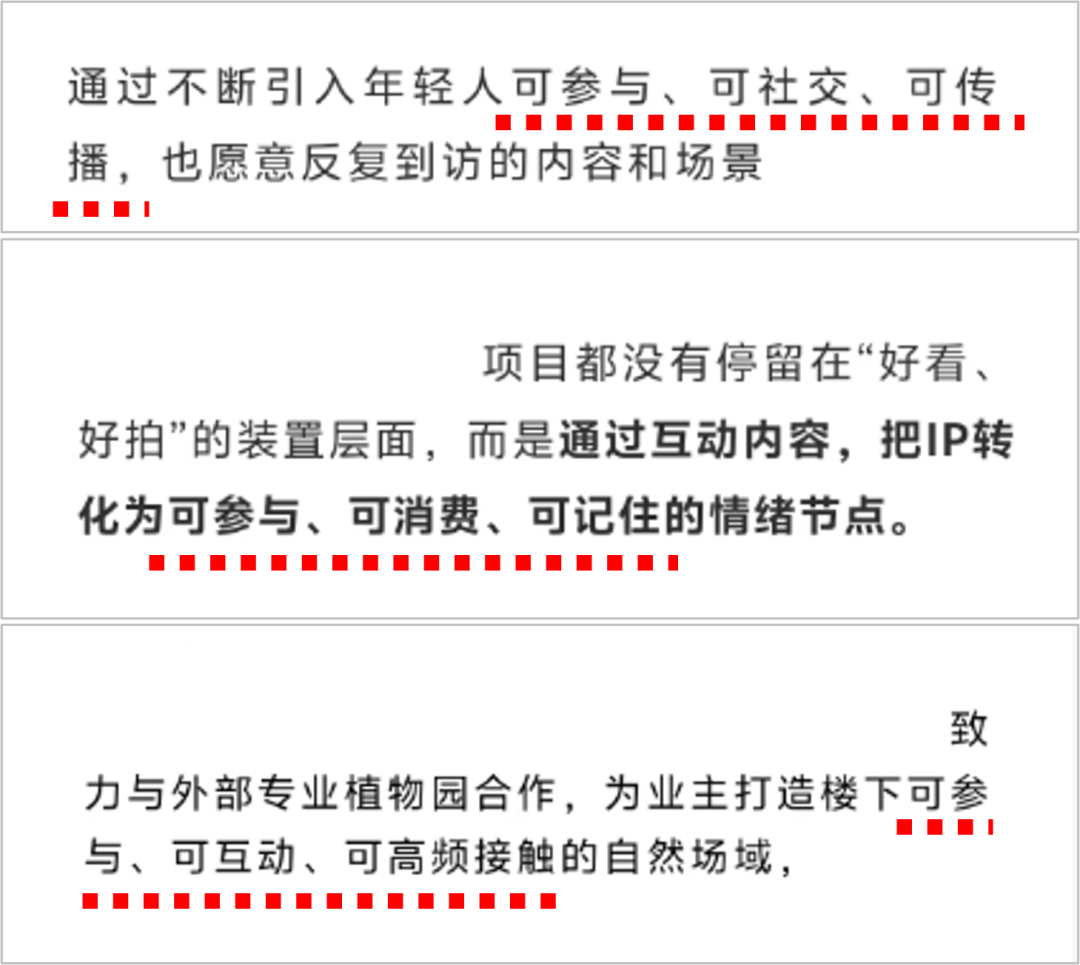
AI-generated writing frequently relies on repetitive structures such as contrastive phrasing, quotation marks, and three-part parallelisms.
Why It Matters
AI practitioners should treat fluency and completeness as weak quality signals. Products that preserve human judgment, domain-specific context, provenance, and stylistic diversity may create more durable value than systems optimized only for fast content generation.
What To Do Next
Add a human-review rubric and a style-diversity check to your GPT-4o content pipeline before approving generated copy.
Key Points
- •AI-generated writing frequently relies on repetitive structures such as contrastive phrasing, quotation marks, and three-part parallelisms.
- •A Nature Human Behaviour study of more than 880,000 texts found that AI-assisted writing reduced variation in text complexity by 21%–50%.
- •AI can raise individual output quality to a common baseline, but widespread adoption quickly turns that improvement into market-wide homogenization.
- •A PNAS experiment with nearly 1,000 students found that GPT-assisted practice improved scores by 48%, while unaided exam performance fell 17% versus the control group.
- •Organizations that create large volumes of low-value reports and copy encourage employees to use AI primarily to reduce delivery costs.
Weekly AI Recap
Read this week's curated digest of top AI events →
👉Related Updates
AI-curated news aggregator. All content rights belong to original publishers.
Original source: 虎嗅 ↗
This is a summary, not the original. Read the source, or get the weekly briefing.
Weekly AI briefing
One email a week. Unsubscribe anytime.