AI Reshapes China’s Civil Service Exam Training
💡China’s exam-training firms are turning AI into core delivery infrastructure as users rise and job openings shrink.
⚡ 30-Second TL;DR
What Changed
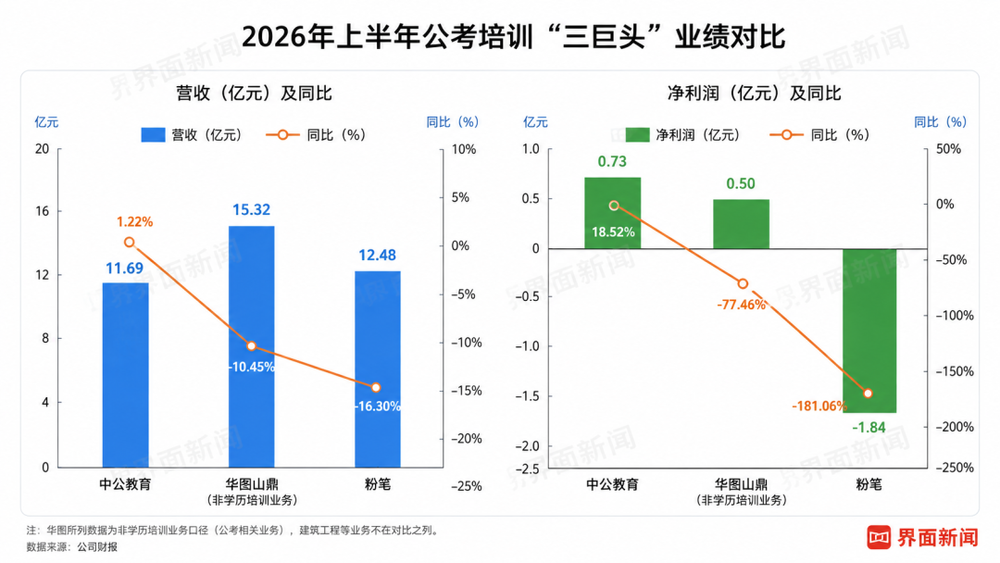
2026 first-half performance diverged: Zhonggong Education revenue rose 1.22% with net profit up 18.52%, Huatu revenue fell 10.49%, and Fenbi posted a RMB 184 million loss.
Why It Matters
The market is moving from enrollment-driven expansion to efficiency-driven competition. AI may lower delivery costs and improve personalization, but it also raises R&D expenses and increases pressure on providers to demonstrate measurable learning outcomes.
What To Do Next
Prototype an AI essay-grading or interview-feedback workflow with human review, then measure agreement rates and per-student delivery cost before scaling.
Key Points
- •2026 first-half performance diverged: Zhonggong Education revenue rose 1.22% with net profit up 18.52%, Huatu revenue fell 10.49%, and Fenbi posted a RMB 184 million loss.
- •Huatu’s AI tools for interview feedback, essay grading, and image search were used more than 11 million times in the first half.
- •Fenbi’s AI question-practice system generated RMB 42.2 million in revenue, while AI-related sales and R&D spending increased.
- •Recruitment quotas for China’s national and provincial civil service exams were estimated at 216,700, down 14.3% year over year.
- •Training providers are shifting from one-exam products toward longer preparation cycles and broader employment-planning services.
Weekly AI Recap
Read this week's curated digest of top AI events →
👉Related Updates

AI-curated news aggregator. All content rights belong to original publishers.
Original source: 虎嗅 ↗
This is a summary, not the original. Read the source, or get the weekly briefing.
Weekly AI briefing
One email a week. Unsubscribe anytime.