Why Americans Are Rejecting Data Centers
💡AI scaling may be blocked less by GPUs than by electricity bills, water limits, and local opposition.
⚡ 30-Second TL;DR
What Changed
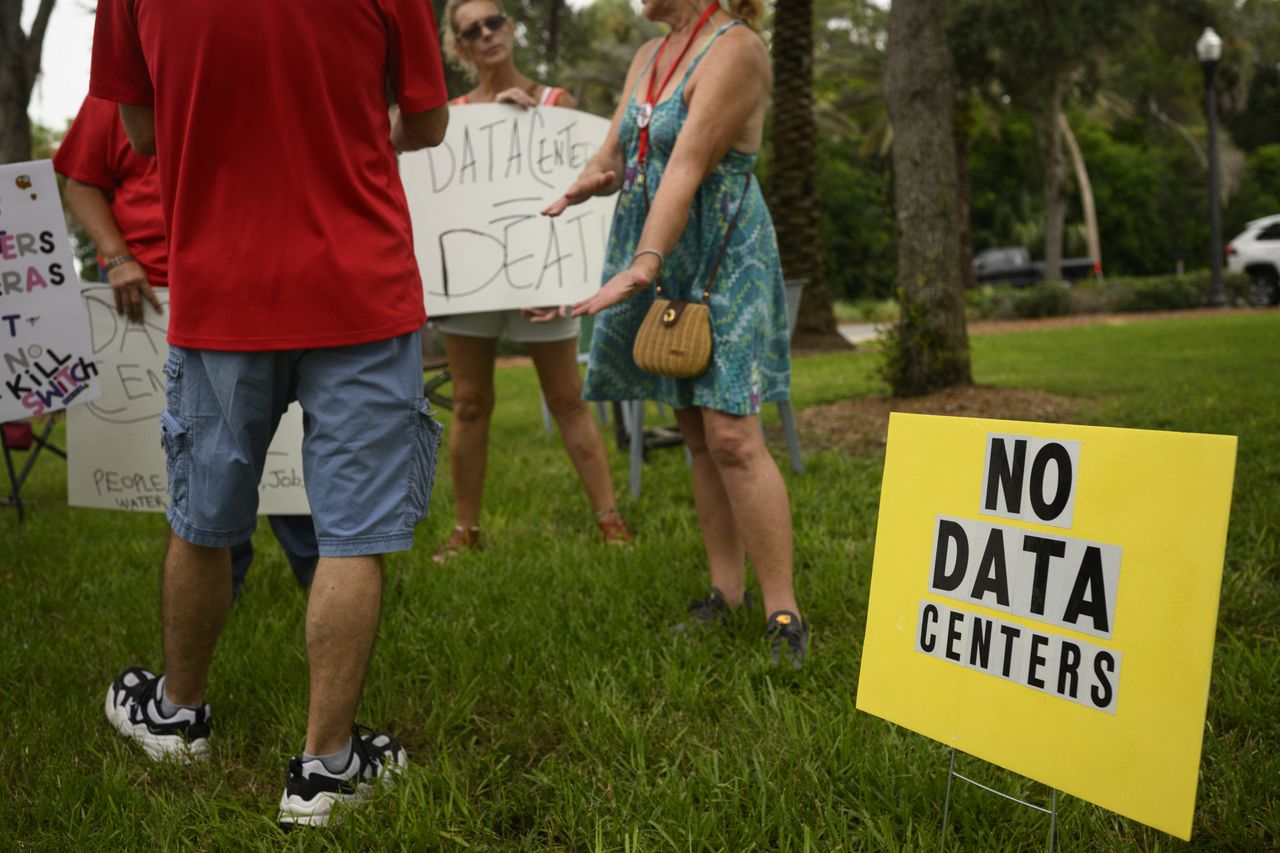
A Penn survey found that 61% of Americans opposed new data centers in their local area, up 12 percentage points from the previous survey.
Why It Matters
For AI builders and infrastructure planners, the article underscores that power procurement, grid interconnection, water availability, and community benefits are becoming core constraints on AI scaling. Projects that ignore local cost allocation may face permitting delays, higher operating expenses, or political backlash.
What To Do Next
Before committing to GPU capacity, build a regional power-cost model that includes PJM-style capacity charges, interconnection queues, water limits, and local permitting risk.
Key Points
- •A Penn survey found that 61% of Americans opposed new data centers in their local area, up 12 percentage points from the previous survey.
- •PJM capacity-auction prices rose from $28.92/MW-day in 2024/25 to more than $329/MW-day in 2026/27.
- •PJM’s market monitor attributed 63% of the increase in the 2025/26 auction to data-center demand, equivalent to about $9.3 billion.
- •Including proposed but unbuilt loads increased projected capacity-market revenue by $6.24 billion, creating a potential ‘ghost load’ problem.
- •The article argues that data centers concentrate costs locally while distributing benefits nationally, making community resistance structurally predictable.
🧠 Deep Insight
Background and context from public sources — not the original article. 14 sources cited.
🔑 Enhanced Key Takeaways
- •In Q1 2026, approximately 75 data center projects with a combined valuation of $130 billion faced cancellation or significant delays due to local community opposition.
- •Data centers have evolved into a physical proxy for public anxiety regarding AI's impact on labor markets and the concentration of corporate power.
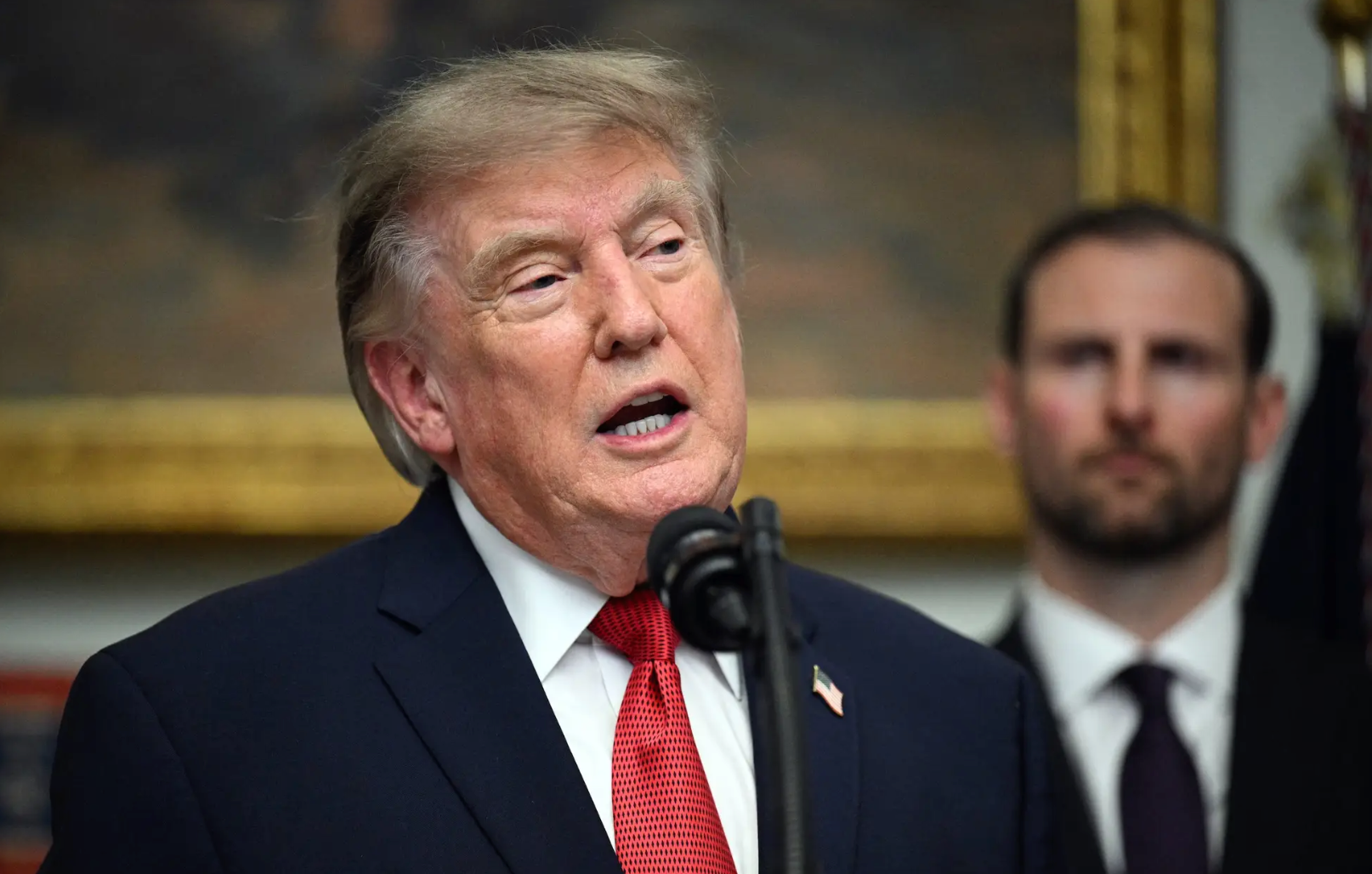
- •Pennsylvania Governor signed an executive order in 2026 mandating that data centers be removed from fast-track permitting processes and adhere to stricter environmental and transparency standards.
- •The 2026 midterm election cycle has seen data center development become a major campaign issue, with candidates across the political spectrum proposing the elimination of taxpayer subsidies for these facilities.
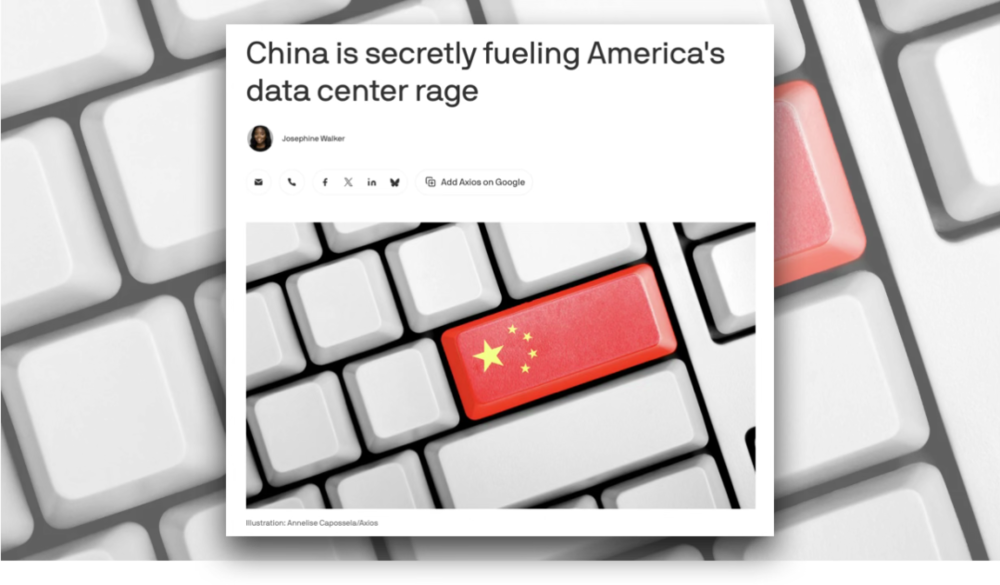
- •While domestic concerns drive the primary opposition, intelligence reports from August 2026 indicate that foreign actors, specifically suspected Chinese bot farms, are actively amplifying anti-data center sentiment on social media.
🔮 Future ImplicationsAI analysis grounded in cited sources
⏳ Timeline
📎 Sources (14)
Factual claims are grounded in the sources below. Forward-looking analysis is AI-generated interpretation.
Weekly AI Recap
Read this week's curated digest of top AI events →
👉Related Updates

AI-curated news aggregator. All content rights belong to original publishers.
Original source: 虎嗅 ↗
This is a summary, not the original. Read the source, or get the weekly briefing.
Weekly AI briefing
One email a week. Unsubscribe anytime.