AI Reprices the Baby Crib
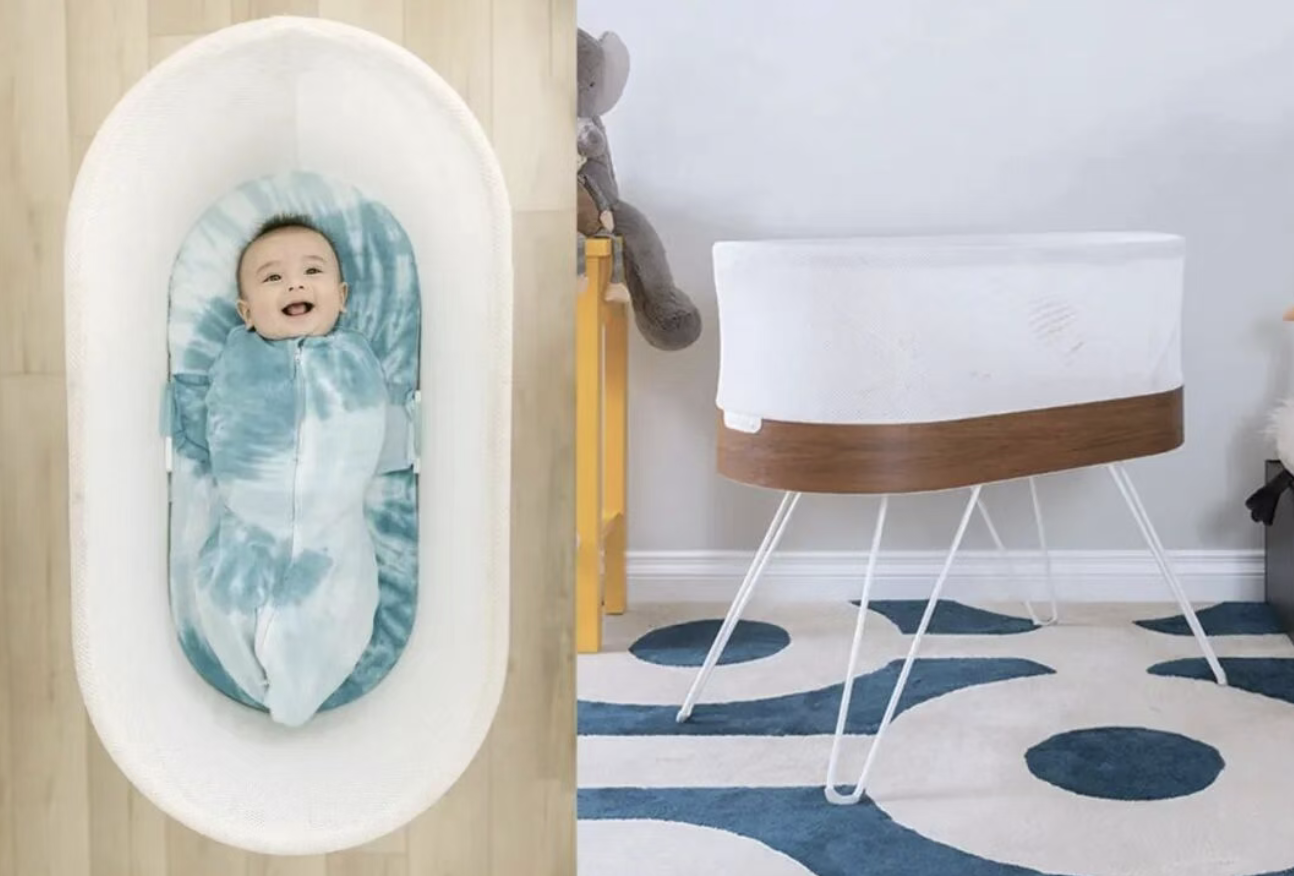
💡Smart cribs reveal a demanding embodied-AI market where sensing, prediction, actuation and safety must all work together
⚡ 30-Second TL;DR
What Changed
SNOO uses crying detection, progressive rocking, white noise and swaddling, with a price of 1,695 US dollars.
Why It Matters
Smart cribs show how embodied AI can enter a narrowly defined consumer environment where sensing and physical intervention are tightly coupled. For AI builders, the opportunity is real but highly constrained by medical-grade evidence, infant-safety regulation and limited opportunities to collect longitudinal data.
What To Do Next
Before building an infant-care AI feature, run prospective validation on false alarms and missed-risk events and map every actuator behavior to applicable crib safety standards.
Key Points
- •SNOO uses crying detection, progressive rocking, white noise and swaddling, with a price of 1,695 US dollars.
- •Cradlewise predicts waking from motion, eye-opening and vocal signals, then starts bouncing before the baby fully wakes.
- •Qinbaobao’s AI sleep pod uses millimeter-wave radar, infrared temperature sensing and computer-vision-style state recognition.
- •The category faces three unresolved issues: validating infant sleep models, managing six-month-to-two-year product lifecycles, and earning safety trust.
Weekly AI Recap
Read this week's curated digest of top AI events →
👉Related Updates
AI-curated news aggregator. All content rights belong to original publishers.
Original source: 极客公园 ↗
This is a summary, not the original. Read the source, or get the weekly briefing.
Weekly AI briefing
One email a week. Unsubscribe anytime.