AI Optical Links Enter the 1.6T Race
💡1.6T and CPO could reshape the networking bottleneck, cost, and power profile of future AI clusters.
⚡ 30-Second TL;DR
What Changed
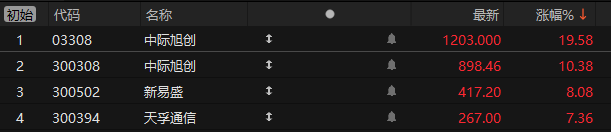
Goldman Sachs raised its 2026–2028 global shipment forecasts for 1.6T-and-above optical modules by 29%, 61%, and 50%, respectively.
Why It Matters
For AI infrastructure builders, the transition from 800G to 1.6T can affect cluster networking costs, rack-scale design, power budgets, and supplier selection. CPO adoption may further change the balance between pluggable modules, silicon photonics, and co-packaged optical components.
What To Do Next
Audit your next AI cluster network design against 1.6T silicon-photonics and CPO roadmaps, including switch compatibility, optical power budgets, and 200G EML supply risk.
Key Points
- •Goldman Sachs raised its 2026–2028 global shipment forecasts for 1.6T-and-above optical modules by 29%, 61%, and 50%, respectively.
- •Innolight's 1.6T silicon-photonics modules have entered volume production, while Eoptolink's 1.6T products are still ramping and mainly use the EML route.
- •Suzhou TFC supplies upstream optical devices and engines rather than complete modules; its active-product growth was constrained by shortages of 200G EML chips.
- •CPO could pressure complete optical-module manufacturers but create opportunities for upstream optical-device suppliers as AI interconnect architectures evolve.
- •Amazon and Nvidia's planned deployment of 2 million additional GPUs in 2027–2028 supports expectations for continued AI infrastructure and optical-interconnect demand.
Weekly AI Recap
Read this week's curated digest of top AI events →
👉Related Updates


AI-curated news aggregator. All content rights belong to original publishers.
Original source: 虎嗅 ↗
This is a summary, not the original. Read the source, or get the weekly briefing.
Weekly AI briefing
One email a week. Unsubscribe anytime.