智算中心:不只是换上GPU
💡50多个智算中心实地观察,揭示GPU部署真正卡在哪些工程与成本问题上。
⚡ 30-Second TL;DR
What Changed
AI机柜功率通常从传统通算的4–6kW升至20–40kW以上,带来供电扩容和液冷改造压力。
Why It Matters
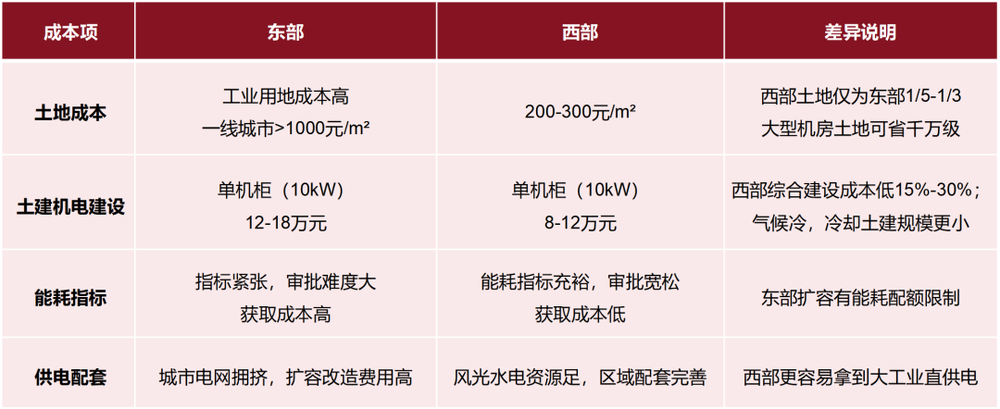
For AI infrastructure operators, location selection must balance electricity and construction savings against latency, bandwidth, compliance, resilience and talent costs. For smaller enterprises, renting GPU or accelerator capacity may be more economical than retrofitting private data centers.
What To Do Next
Before buying GPUs, build a 10-year TCO model comparing local and western regions across power, PUE, bandwidth, latency, compliance, backup capacity and maintenance logistics.
Key Points
- •AI机柜功率通常从传统通算的4–6kW升至20–40kW以上,带来供电扩容和液冷改造压力。
- •智算机柜重量可超过1.5吨甚至2吨,旧机房可能需要进行楼板加固;网络架构和运维体系也需重构。
- •按文章估算,100MW数据中心在西部建设可少投入约5.5亿元,年运营成本可少约4.4亿元,10年TCO差距约49.7亿元。
- •东部本地部署仍适用于自动驾驶、工业控制和金融交易等低时延场景,以及金融、政务和医疗等数据合规场景。
🧠 Deep Insight
Background and context from public sources — not the original article. 9 sources cited.
🔑 Enhanced Key Takeaways
- •智算中心运营模式已从单纯的资源租赁转向资产经营,实际签约率与资源使用率成为衡量投资回报周期的核心指标。
- •行业正通过公募REITs及绿色资产支持专项计划(ABS)等金融工具,构建‘投资-运营-回收-滚动投资’的资本循环闭环。
- •AI算力需求在Transformer架构普及后保持每年4-5倍的增速,预计2025至2030年全球AI算力总量将实现约千倍增长。
- •智算中心部署出现明显分层:训练业务侧重集群规模与电力成本,而推理业务则向靠近应用市场的边缘侧迁移以降低时延。
- •智算一体机作为新型基础设施载体,通过软硬一体化适配专用AI芯片,成为行业高性能计算落地的关键形态。
🛠️ Technical Deep Dive
- 采用冷板式液冷技术以应对单机柜功率密度突破40kW的散热需求。
- 引入异构计算架构,通过高速互联技术(如NVLink/InfiniBand)解决大规模集群的通信瓶颈。
- 软件栈层面集成算力调度系统,实现训练任务与推理任务的动态资源分配。
- 算电协同技术:通过智能配电系统与储能设施,提升能源利用效率(PUE)并平抑电网波动。
🔮 Future ImplicationsAI analysis grounded in cited sources
⏳ Timeline
📎 Sources (9)
Factual claims are grounded in the sources below. Forward-looking analysis is AI-generated interpretation.
Weekly AI Recap
Read this week's curated digest of top AI events →
👉Related Updates

AI-curated news aggregator. All content rights belong to original publishers.
Original source: 虎嗅 ↗
This is a summary, not the original. Read the source, or get the weekly briefing.
Weekly AI briefing
One email a week. Unsubscribe anytime.