AI Influencers Face the Trust Test
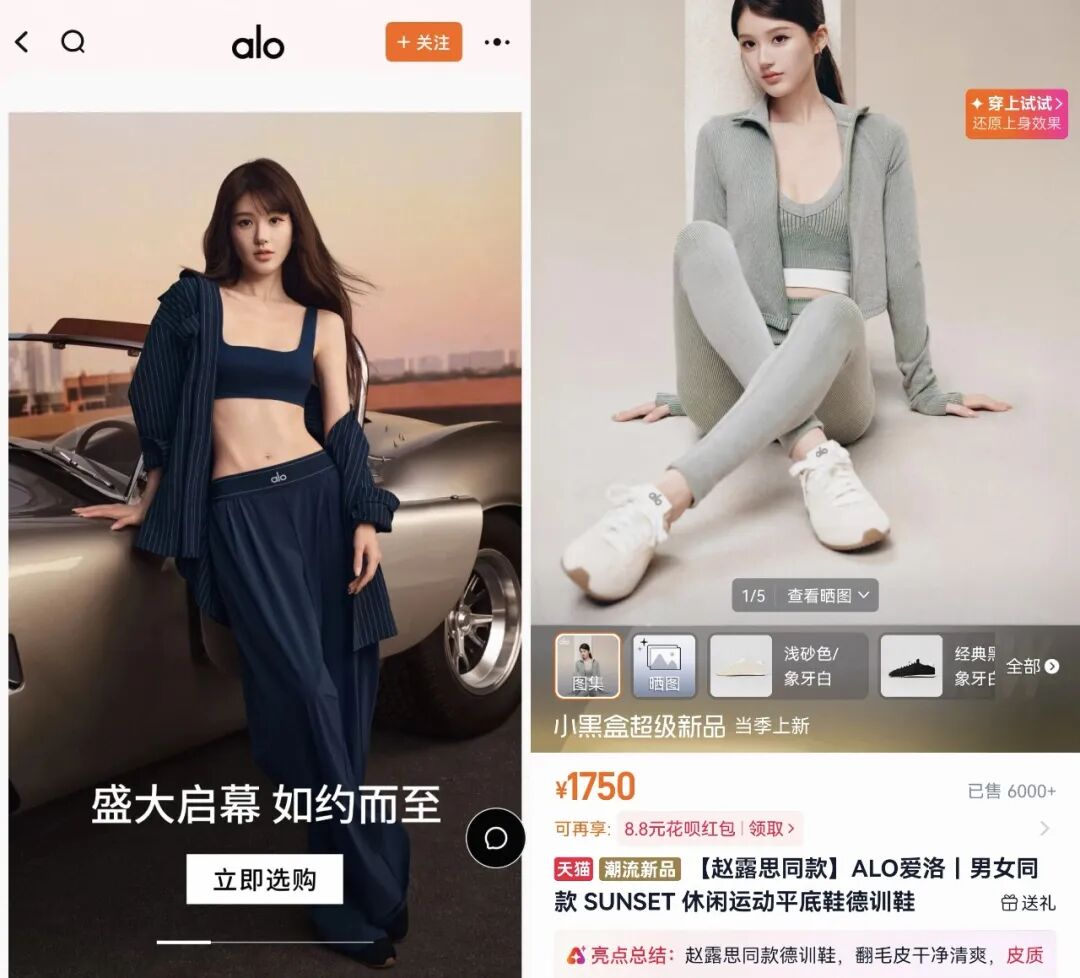
💡Three influencer models reveal where AI commerce saves cost—and where it cannot manufacture trust.
⚡ 30-Second TL;DR
What Changed
AI actor Fang Taozi faced backlash after promoting contact lenses with claims implying first-hand comfort and an alleged 258,000-yuan advertising fee.
Why It Matters
The cases suggest that AI-generated endorsers are effective for short-term novelty and low-cost experimentation, but weak at building durable brand loyalty. Platforms and brands will need clearer disclosure, substantiation, and liability rules before scaling AI-led commerce.
What To Do Next
Before deploying an AI digital human for commerce, add human approval, claim-evidence checks, AI disclosure, and an accountable legal entity to every campaign workflow.
Key Points
- •AI actor Fang Taozi faced backlash after promoting contact lenses with claims implying first-hand comfort and an alleged 258,000-yuan advertising fee.
- •AI digital humans can generate scalable visual assets, livestream scripts, and promotional content without normal human fatigue or reputation risk.
- •Because AI digital humans lack independent civil-person status, advertising liability and consumer-rights enforcement can become unclear.
- •Wanwan's product-led personal brand and Zhao Lusi's celebrity endorsement represent alternative paths to converting attention into durable commercial assets.
Weekly AI Recap
Read this week's curated digest of top AI events →
👉Related Updates


AI-curated news aggregator. All content rights belong to original publishers.
Original source: 虎嗅 ↗
This is a summary, not the original. Read the source, or get the weekly briefing.
Weekly AI briefing
One email a week. Unsubscribe anytime.