AI Data Centers Consume 48% of Global NAND
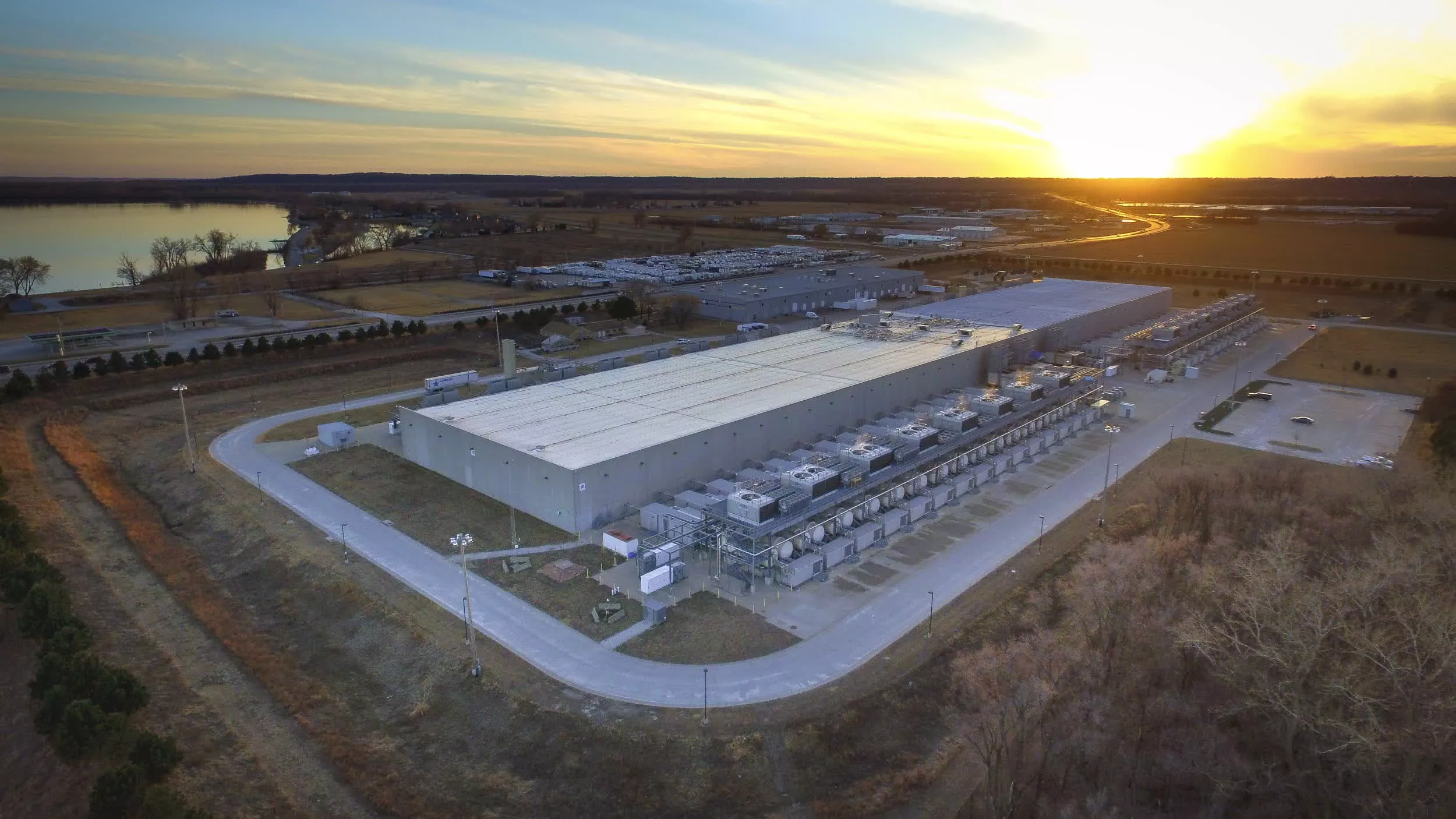
💡AI infrastructure is consuming nearly half of global NAND, with direct implications for storage budgets and availability
⚡ 30-Second TL;DR
What Changed
Enterprise SSDs account for 48% of global NAND flash consumption.
Why It Matters
Persistent NAND demand from AI infrastructure could increase storage costs and complicate capacity planning for model training and inference systems. AI companies may need to secure storage supply earlier and optimize data retention and caching strategies.
What To Do Next
Audit your AI platform's storage growth and add enterprise SSD capacity forecasts to the next infrastructure procurement cycle.
Key Points
- •Enterprise SSDs account for 48% of global NAND flash consumption.
- •AI data centers and hyperscale computing facilities are driving demand.
- •NAND manufacturers are prioritizing major technology companies and AI startups.
- •The supply shift is creating a structural transformation in the storage market.
🧠 Deep Insight
AI-generated analysis for this event.
🔑 Enhanced Key Takeaways
- •The surge in NAND consumption is primarily driven by the transition from HDD-based storage to high-capacity QLC (Quad-Level Cell) SSDs in AI training and inference clusters.
- •Major NAND manufacturers, including Samsung, SK Hynix, and Micron, have shifted capital expenditure toward high-layer count 3D NAND production to meet the specific density requirements of hyperscalers.
- •The prioritization of enterprise SSDs has led to supply constraints and price volatility in the consumer electronics and PC storage markets.
- •AI data centers are increasingly adopting 'Data Lake' architectures that require massive, low-latency NAND arrays to feed GPU clusters, reducing the reliance on traditional tiered storage.
- •Industry analysts note that the power efficiency benefits of SSDs over HDDs in high-density AI racks are a primary driver for the rapid adoption rate despite the higher cost per gigabyte.
🛠️ Technical Deep Dive
- Transition to 232-layer and 300+ layer 3D NAND architectures to maximize storage density per rack unit.
- Implementation of NVMe over Fabrics (NVMe-oF) to allow AI clusters to access remote NAND storage with latency comparable to local drives.
- Increased utilization of QLC NAND for read-intensive AI model training workloads to balance cost and performance.
- Integration of computational storage drives (CSDs) that perform data processing directly on the SSD controller to reduce CPU/GPU bottlenecks.
🔮 Future ImplicationsAI analysis grounded in cited sources
⏳ Timeline
Weekly AI Recap
Read this week's curated digest of top AI events →
👉Related Updates


AI-curated news aggregator. All content rights belong to original publishers.
Original source: cnBeta (Full RSS) ↗