AI Actors Become Standalone IP
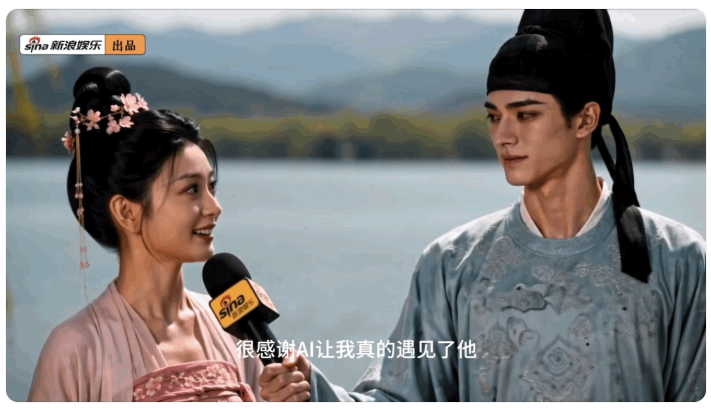
💡AI actors now earn followers and ad deals, but a 0.47% hit rate makes rights and distribution as important as generation
⚡ 30-Second TL;DR
What Changed
Characters such as Yan Xuming and Fang Taozi are being operated as independent IPs with social accounts, merchandise, advertising, and fan interactions.
Why It Matters
For creators and studios, AI actors can reduce dependence on human talent and enable persistent, cross-platform character brands. However, the extremely low hit rate means distribution, character differentiation, rights clearance, and data-driven iteration matter more than raw production volume.
What To Do Next
Before publishing an AI actor project, secure written IP, likeness, and voice rights, then test a character-consistency workflow across one short drama and its social-media spin-offs.
Key Points
- •Characters such as Yan Xuming and Fang Taozi are being operated as independent IPs with social accounts, merchandise, advertising, and fan interactions.
- •Fang Taozi reportedly reached 412,000 Douyin followers and received advertising quotes above many million-follower human influencers.
- •More than 221,900 AI short dramas launched in the first half of 2026, but only 0.47% reportedly exceeded 100 million views.
- •AI micro-dramas became subject to filing-before-release requirements from April 1, 2026.
- •Platforms are tightening controls on unauthorized literary IP adaptations, cloned voices, stolen likenesses, and promotional content.
Weekly AI Recap
Read this week's curated digest of top AI events →
👉Related Updates
AI-curated news aggregator. All content rights belong to original publishers.
Original source: 虎嗅 ↗
This is a summary, not the original. Read the source, or get the weekly briefing.
Weekly AI briefing
One email a week. Unsubscribe anytime.