Meta Liability Meets France’s Legal Brake
💡U.S. courts target platform design while France rejects blanket bans—a blueprint for nuanced AI safety regulation.
⚡ 30-Second TL;DR
What Changed
The New Mexico ruling treats product features such as infinite scroll, autoplay, like notifications, and cosmetic filters as potential sources of legal liability.
Why It Matters
The U.S. case could expand liability for AI and social platforms from generated content to the design of engagement systems themselves. France’s decision signals that age-based restrictions must be narrowly tailored, which may favor risk-tiered product controls over universal bans.
What To Do Next
Run a product-risk review of your AI chatbot and recommender system, documenting age gates, notification policies, engagement loops, and safeguards for minors.
Key Points
- •The New Mexico ruling treats product features such as infinite scroll, autoplay, like notifications, and cosmetic filters as potential sources of legal liability.
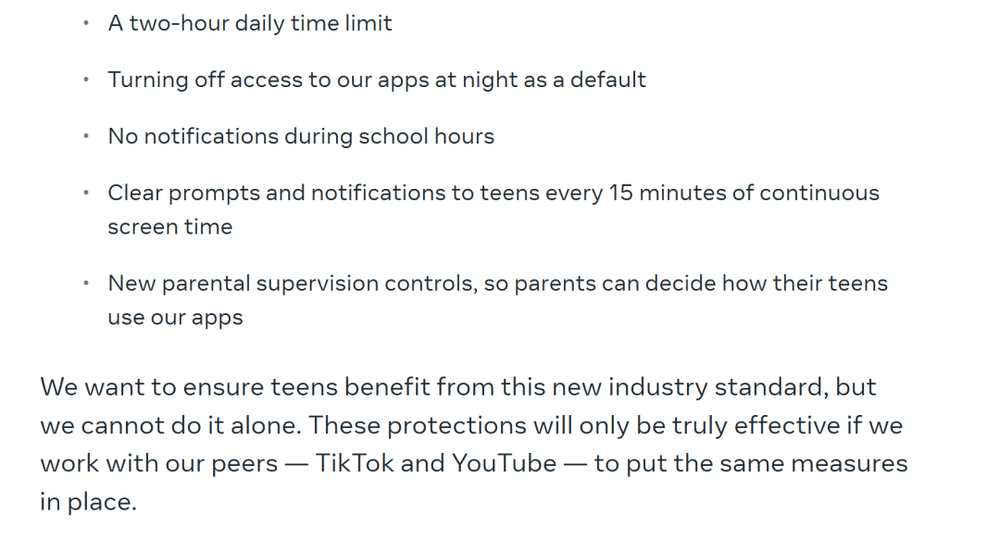
- •The court’s corrective measures include an under-18 monthly usage cap, nighttime and school-time notification restrictions, hidden like counts, and limits on romantic interactions with AI chatbots.
- •France rejected the under-15 social-media ban because it covered platforms too broadly, ignored individual differences, and lacked sufficient safeguards for age verification data.
- •Research remains mixed: associations between social-media use and mental-health harms vary by usage pattern, motivation, age, gender, and family context.
Weekly AI Recap
Read this week's curated digest of top AI events →
👉Related Updates

AI-curated news aggregator. All content rights belong to original publishers.
Original source: 虎嗅 ↗
This is a summary, not the original. Read the source, or get the weekly briefing.
Weekly AI briefing
One email a week. Unsubscribe anytime.