Court Protects Judge Accused of Outsourcing Ruling to AI
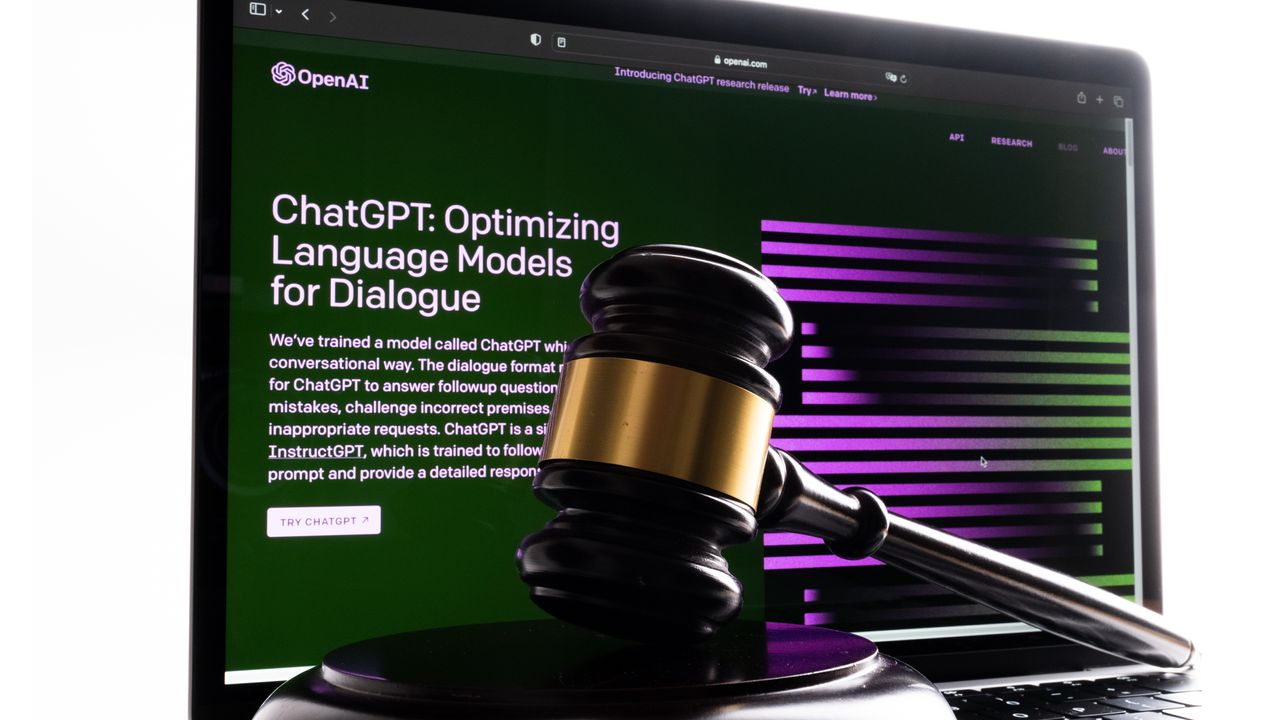
💡A court ruling exposes the accountability gap when AI influences high-stakes legal decisions.
⚡ 30-Second TL;DR
What Changed
The court upheld blanket judicial immunity from civil lawsuits.
Why It Matters
The decision may limit one avenue for challenging allegedly negligent AI use by judges, while leaving broader governance questions open. For AI practitioners, it reinforces the need for auditability, human review, and clear accountability in systems used for legal or other high-stakes decisions.
What To Do Next
Add mandatory human sign-off, prompt and output logging, and an audit trail before deploying any AI feature for legal or other high-stakes decisions.
Key Points
- •The court upheld blanket judicial immunity from civil lawsuits.
- •The judge was accused of relying entirely on AI to make a judicial decision.
- •The ruling did not determine whether AI-assisted judging was legally or ethically permissible.
- •The case leaves unresolved questions about accountability and human oversight in high-stakes AI use.
🧠 Deep Insight
AI-generated analysis for this event.
🔑 Enhanced Key Takeaways
- •The case centers on the doctrine of absolute judicial immunity, which protects judges from civil liability for acts performed within their jurisdiction, even if those acts are alleged to be malicious or corrupt.
- •Legal scholars note that while immunity shields the judge from personal lawsuits, it does not preclude appellate courts from overturning the AI-generated ruling itself due to procedural errors or lack of due process.
- •The plaintiff in this matter argued that the judge's reliance on a generative AI tool constituted a 'non-judicial act,' attempting to bypass immunity protections by claiming the judge abandoned their role entirely.
- •Several bar associations have issued advisory opinions since the emergence of this case, warning that delegating substantive decision-making to AI violates the duty of competence and the requirement for independent human judgment.
- •The appellate court's decision emphasized that the judiciary must maintain a clear distinction between 'AI-assisted research' and 'AI-delegated adjudication,' though it stopped short of defining the exact boundary.
🔮 Future ImplicationsAI analysis grounded in cited sources
⏳ Timeline
Weekly AI Recap
Read this week's curated digest of top AI events →
👉Related Updates




AI-curated news aggregator. All content rights belong to original publishers.
Original source: Tom's Hardware ↗