60% Gamers Reject AI Game Changes

💡Gamers shun AI visuals—critical feedback for DLSS devs & game AI integration
⚡ 30-Second TL;DR
What Changed
Nearly 60% of TechPowerUp readers oppose AI changes to game visuals
Why It Matters
Gamer opposition could hinder DLSS 5 adoption, pushing developers toward optional AI toggles. Signals need for AI graphics tools to prioritize fidelity and user control in gaming applications.
What To Do Next
Integrate optional DLSS toggles in your Unreal Engine projects to respect player preferences.
Key Points
- •Nearly 60% of TechPowerUp readers oppose AI changes to game visuals
- •Survey focused on NVIDIA DLSS 5 AI upscaling technology
- •Strong preference for original game graphics over AI enhancements
🧠 Deep Insight
AI-generated analysis for this event.
🔑 Enhanced Key Takeaways
- •The survey highlights a growing 'purist' sentiment among PC enthusiasts who prioritize native rendering resolution and frame stability over the potential artifacts or 'hallucinations' introduced by AI-based frame generation.
- •Industry analysts note that while DLSS 5 adoption is high among developers due to performance optimization needs, the consumer backlash suggests a disconnect between hardware marketing and user perception of visual fidelity.
- •The resistance is specifically tied to the 'black box' nature of neural upscaling, with users expressing concerns over the loss of artistic intent when AI models interpret and reconstruct game textures and lighting in real-time.
📊 Competitor Analysis▸ Show
| Feature | NVIDIA DLSS 5 | AMD FSR 4 | Intel XeSS 2 |
|---|---|---|---|
| Hardware Requirement | NVIDIA Tensor Cores | Hardware Agnostic | XMX/DP4a Cores |
| Upscaling Method | AI-Driven (Neural) | Spatial/Temporal | AI-Enhanced/Spatial |
| Frame Gen | Yes (Optical Multi-Frame) | Yes (Fluid Motion) | Yes (AI-based) |
| Market Positioning | Premium/Performance | Open/Compatibility | Mid-range/Efficiency |
🛠️ Technical Deep Dive
- •DLSS 5 utilizes a multi-frame neural reconstruction model that integrates motion vectors, depth buffers, and jittered samples to predict sub-pixel detail.
- •The architecture employs a dedicated temporal feedback loop that compares current frames against historical data to reduce ghosting and shimmering artifacts common in earlier iterations.
- •Implementation requires developers to integrate the NVIDIA Streamline SDK, which acts as a wrapper for various upscaling technologies, though DLSS 5 specifically leverages proprietary Tensor Core hardware for inference.
🔮 Future ImplicationsAI analysis grounded in cited sources
⏳ Timeline
Weekly AI Recap
Read this week's curated digest of top AI events →
👉Related Updates
Same topic
Explore #gaming-ai
Same product
More on nvidia-dlss-5
Same source
Latest from cnBeta (Full RSS)
Lunar impacts show gradual decline, not single burst
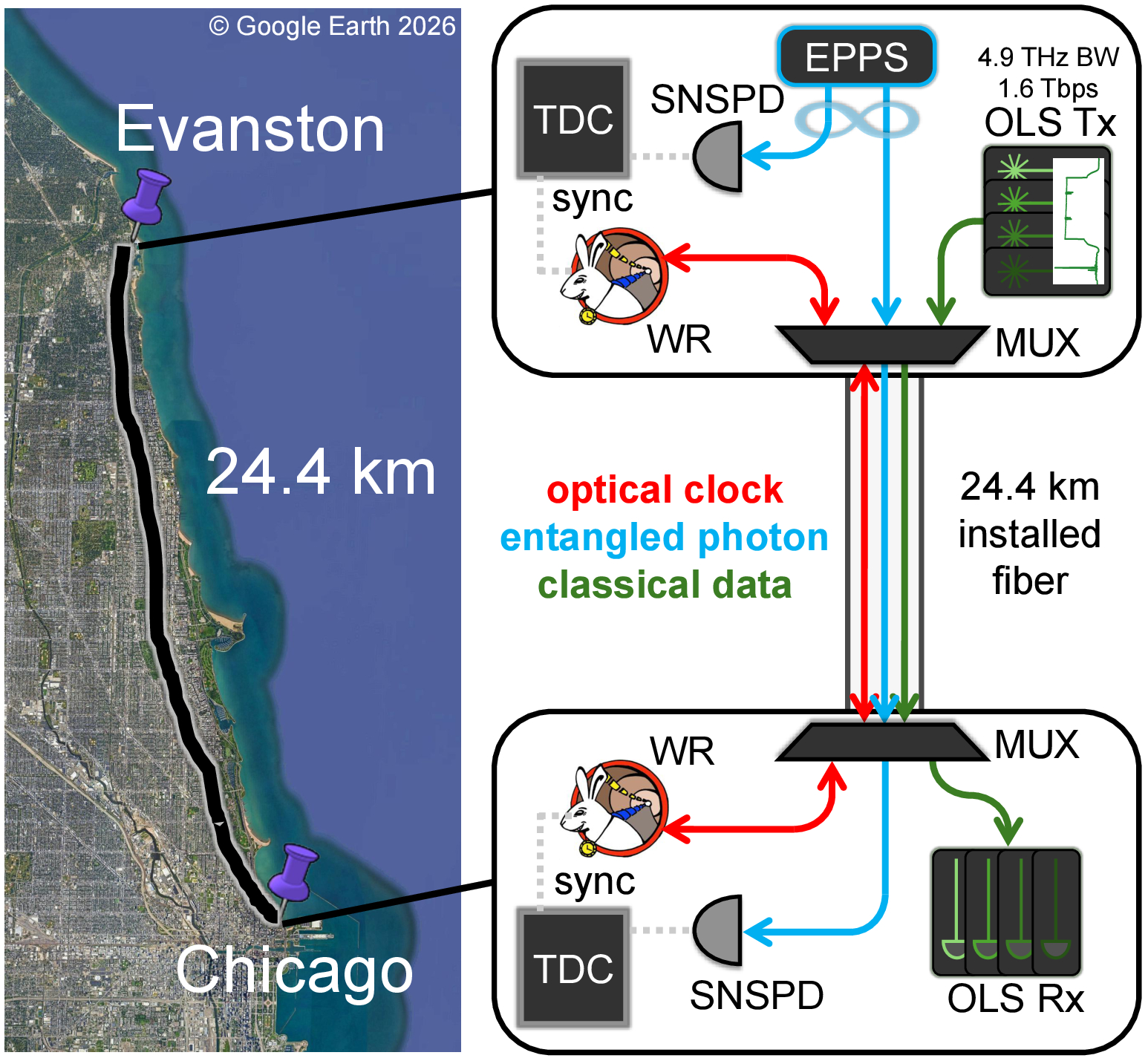
Quantum Photons Transmitted Over Chicago Commercial Fiber
Non-Abelian Anyons Enable Universal Quantum Computing

Microsoft plans to transform Minecraft into a global creator platform
AI-curated news aggregator. All content rights belong to original publishers.
Original source: cnBeta (Full RSS) ↗