
Musk Builds World's Largest Supercomputer in 122 Days
Elon Musk built the world's largest supercomputer in just 122 days. It features 220,000 GPUs now handed over to others. The cluster requires users to fully utilize its capacity.
Few direct matches — filled in with the latest updates.
Tag: #supercluster4 results
Elon Musk built the world's largest supercomputer in just 122 days. It features 220,000 GPUs now handed over to others. The cluster requires users to fully utilize its capacity.

The UAE and US are jointly developing a massive 5GW AI compute park. The initial 200MW phase is set to go online imminently. It will be powered by thousands of next-generation high-performance AI chips.

xAI operates 550,000 NVIDIA H100/H200 GPUs in its Memphis Colossus cluster, but Model FLOPs Utilization (MFU) is only 11%, far below Meta's 43% and Google's 46%. President Michael Nicolls called it 'embarrassingly low' and targets 50% in months. The issue stems from software lags, data waits, and comms overhead in massive clusters.
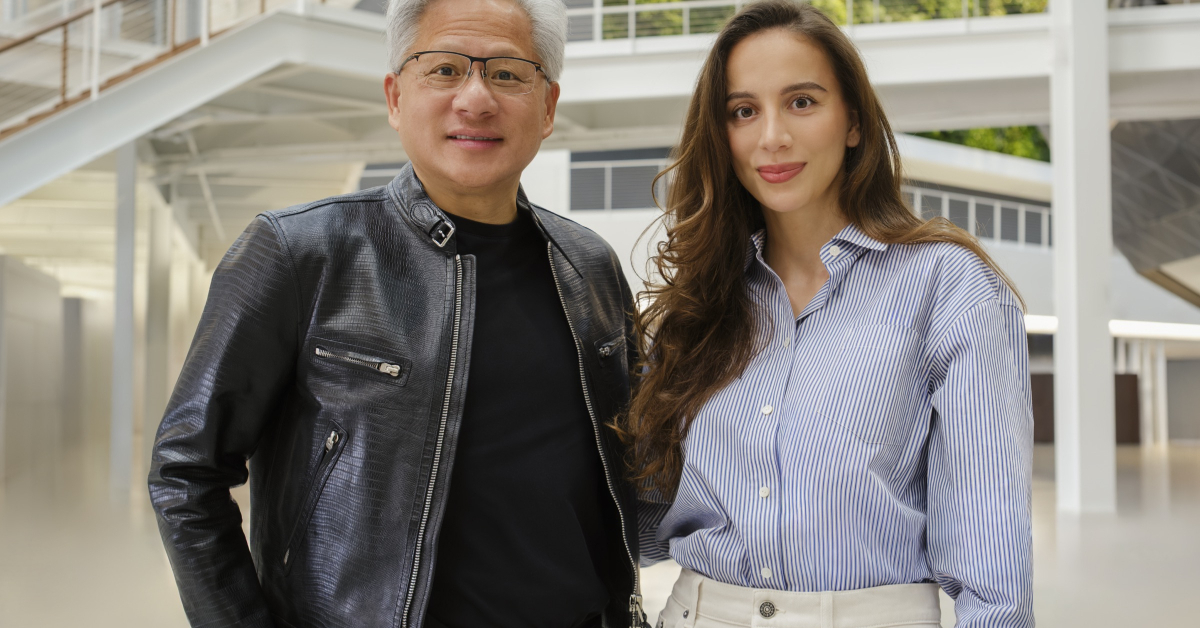
NVIDIA partners strategically with Mira Murati's Thinking Machines Lab over multiple years. The lab introduces a 1GW-scale next-gen AI system 'Vera Rubin' for advanced model training and customizable platforms. NVIDIA provides major funding.
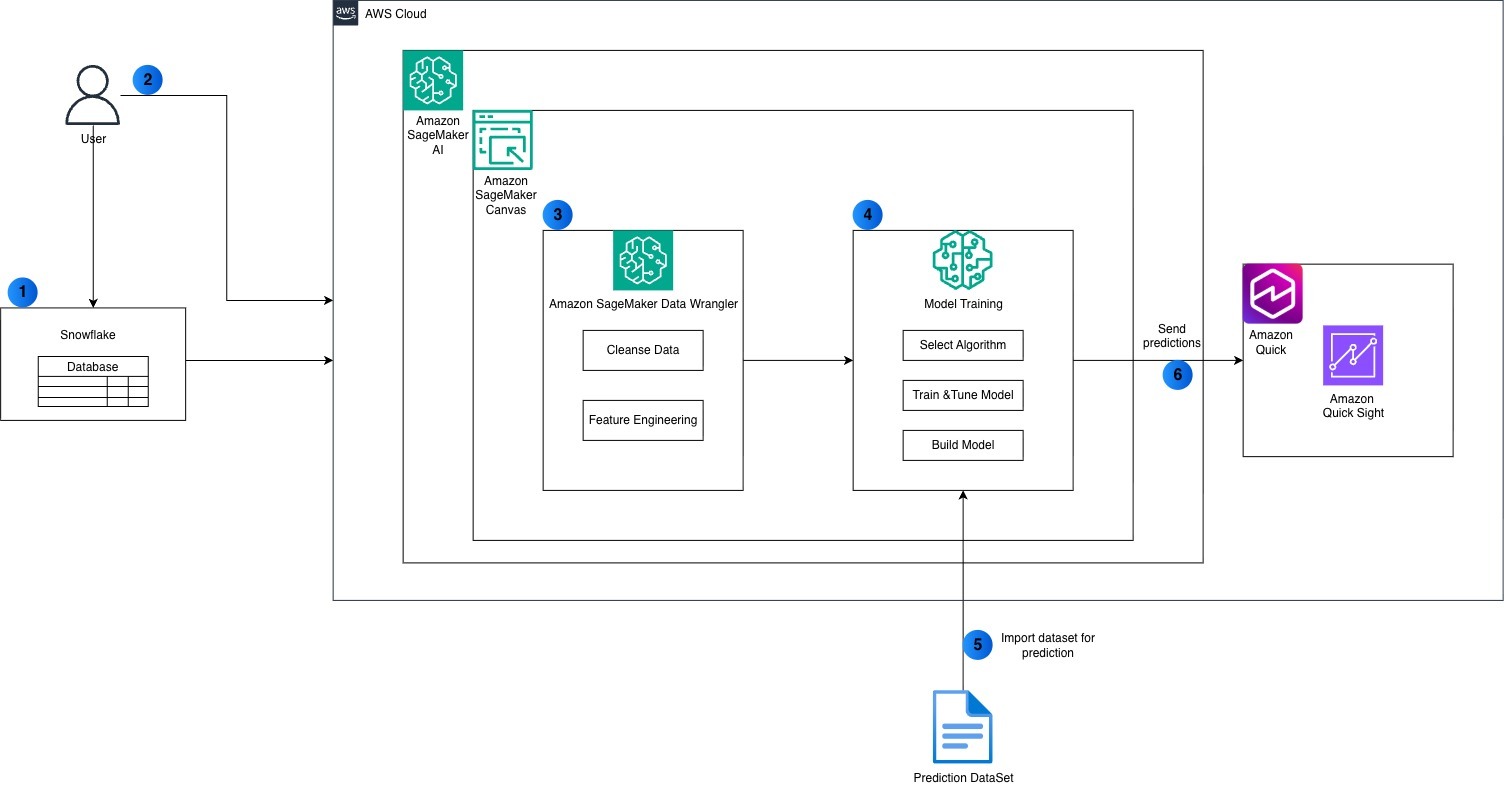
Part 1 shows how to configure an AWS account and Snowflake environment for a no-code machine learning workflow. The setup prepares healthcare, retail, and life sciences teams to build a fraud detection model with Amazon SageMaker Canvas.
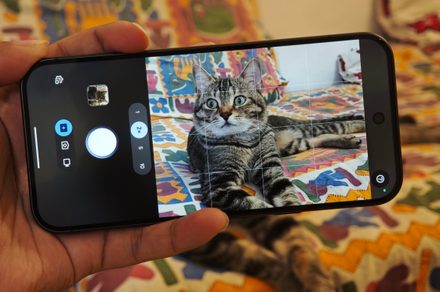
Google’s Magic Capture automatically extracts photos from video footage, helping users save spontaneous moments without manually scrubbing through clips. An early test with an uncooperative cat demonstrates the feature’s potential for computational photography and everyday image capture.
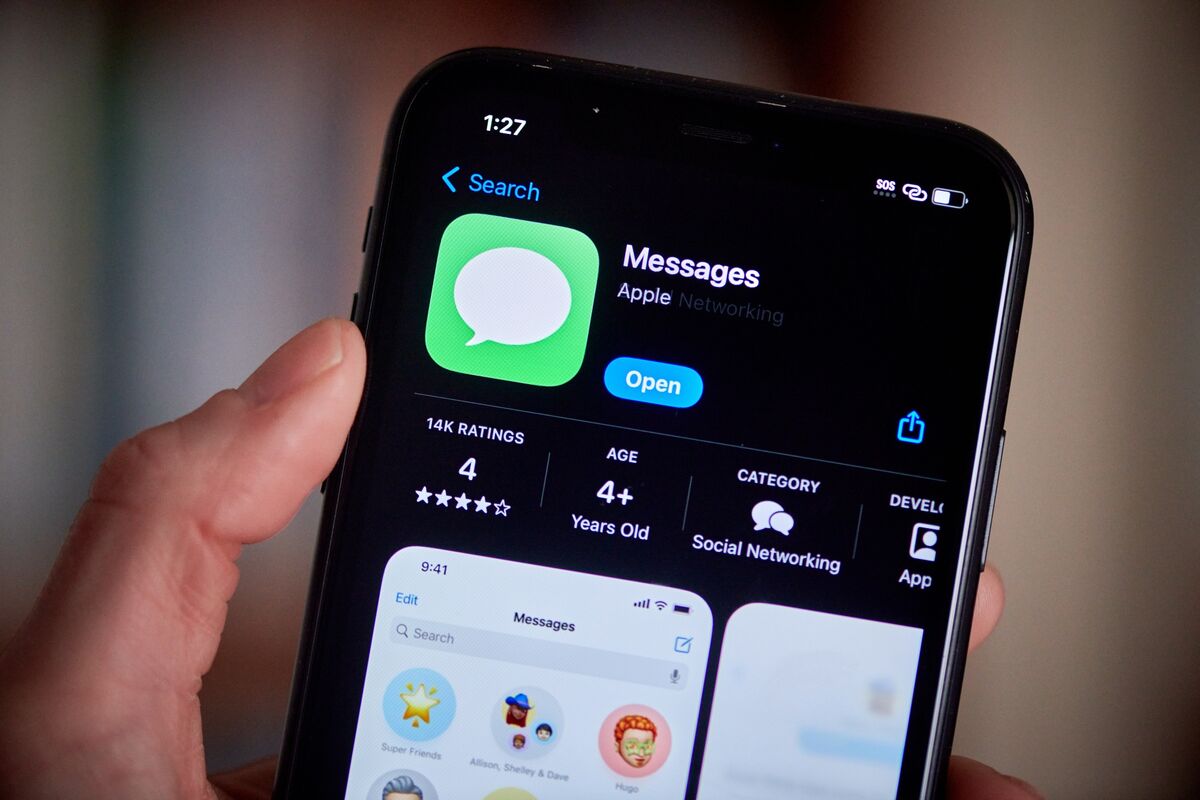
OpenAI rolled out support for controlling Apple’s iMessage service through ChatGPT. The integration could create new privacy concerns for Apple and users handling message data through an AI assistant.

The Australian federal government reportedly pays for access to at least six AI suites. Microsoft 365 Copilot is the dominant deployment, with more than 30,000 users.

Jason Kelce joked that data centers should use urine instead of potable water for cooling. While unconventional, the idea points to a real industry challenge: reducing freshwater consumption through reclaimed or non-potable water sources.

Pew found strong signs of AI authorship on around 10% of a random sample of webpages in July 2026. The share rises above one-third for pages published since ChatGPT’s release, with commercial .com domains showing far more AI involvement than .edu or .gov sites.