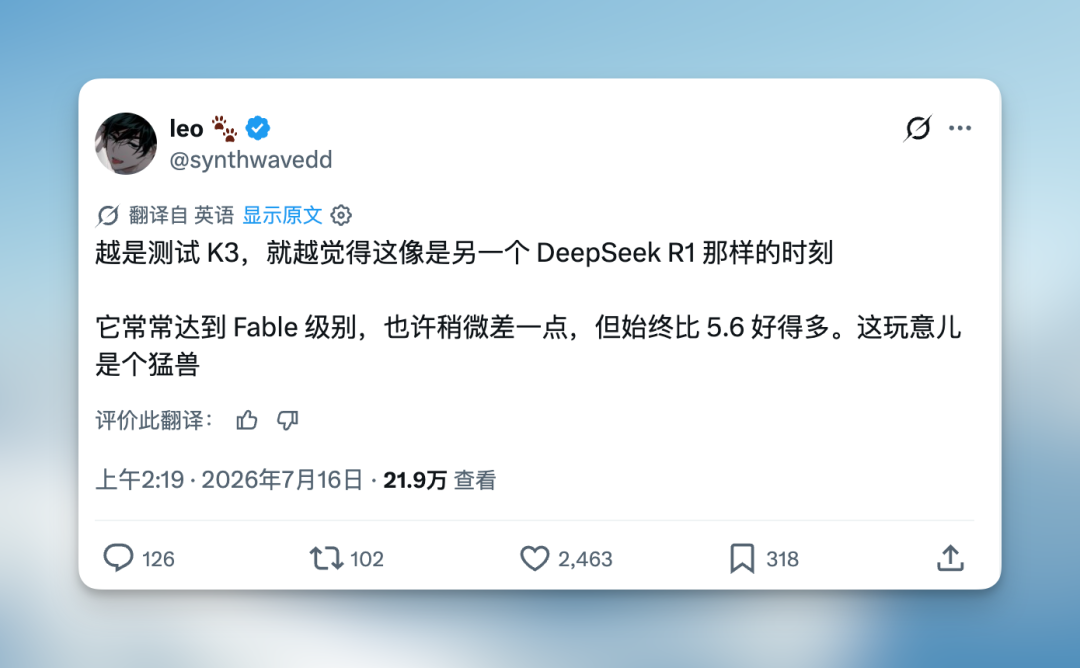
Kimi K3 vs Claude Opus 4.8: Frontend Coding Showdown
A comparative test of the new Kimi K3 model against Claude Opus 4.8 across complex frontend development tasks, including WebGL and GSAP animations.
Few direct matches — filled in with the latest updates.
Tag: #frontend4 results
A comparative test of the new Kimi K3 model against Claude Opus 4.8 across complex frontend development tasks, including WebGL and GSAP animations.

A viral open-source project has gained 20k stars on GitHub for its ability to clone websites using a single command. This tool raises significant questions regarding web scraping and front-end security.
HTML-in-Canvas technique is revolutionizing frontend development with unprecedented visual effects in the AI era. It enables running intensive apps like the Doom game directly in HTML. This shifts internet visuals dramatically.
Kryven AI claims to be private, uncensored AI but is a censored Gemini frontend scam. It uses token subscriptions, lies about proprietary model, and runs on basic cloud hosting. Avoid buying tokens or sharing data due to privacy risks.
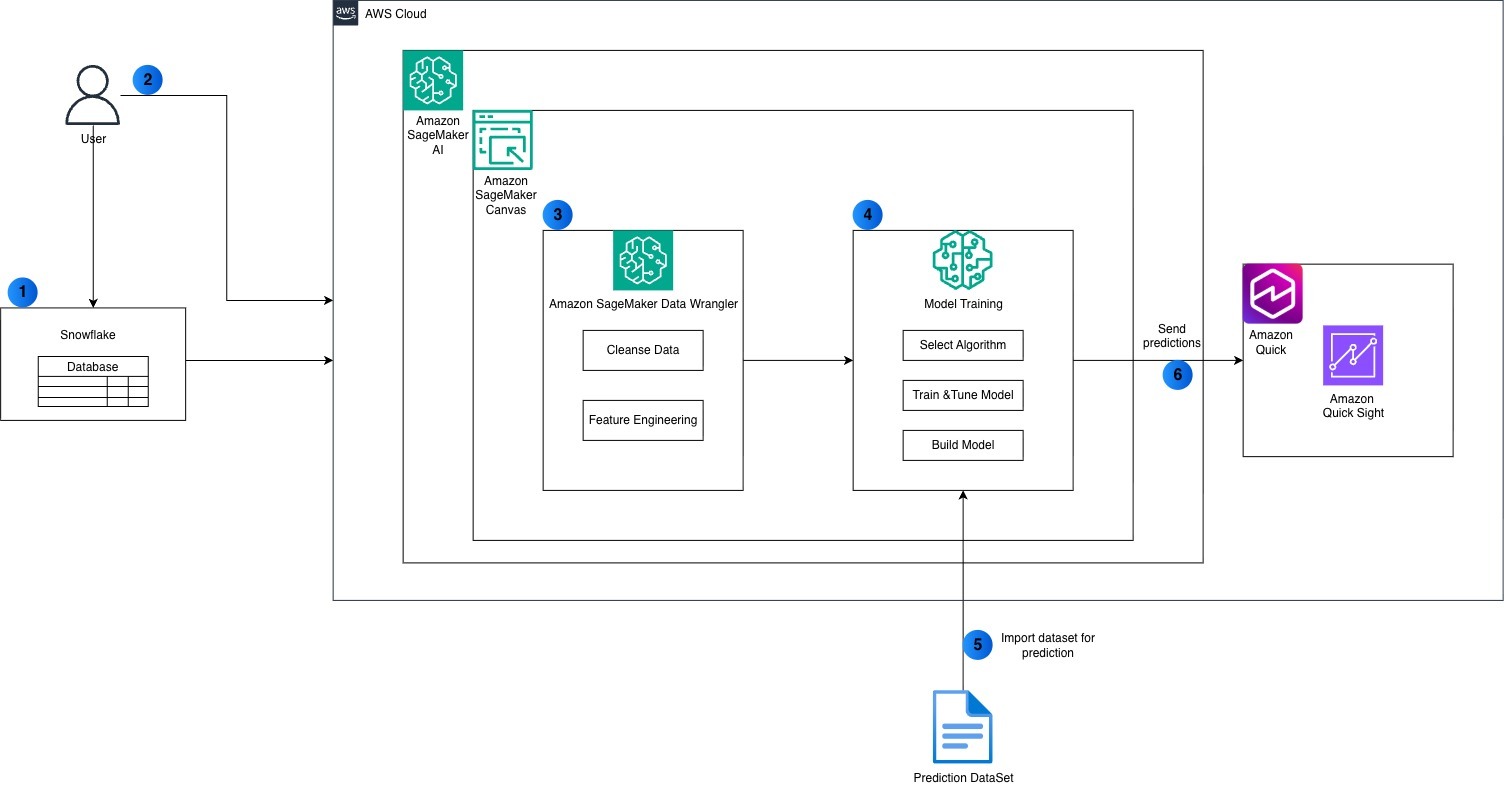
Part 1 shows how to configure an AWS account and Snowflake environment for a no-code machine learning workflow. The setup prepares healthcare, retail, and life sciences teams to build a fraud detection model with Amazon SageMaker Canvas.
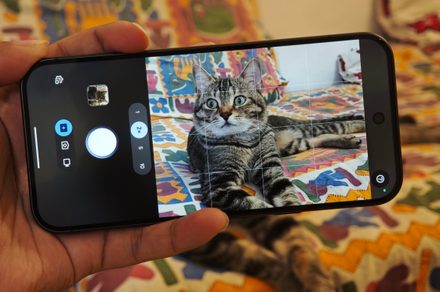
Google’s Magic Capture automatically extracts photos from video footage, helping users save spontaneous moments without manually scrubbing through clips. An early test with an uncooperative cat demonstrates the feature’s potential for computational photography and everyday image capture.
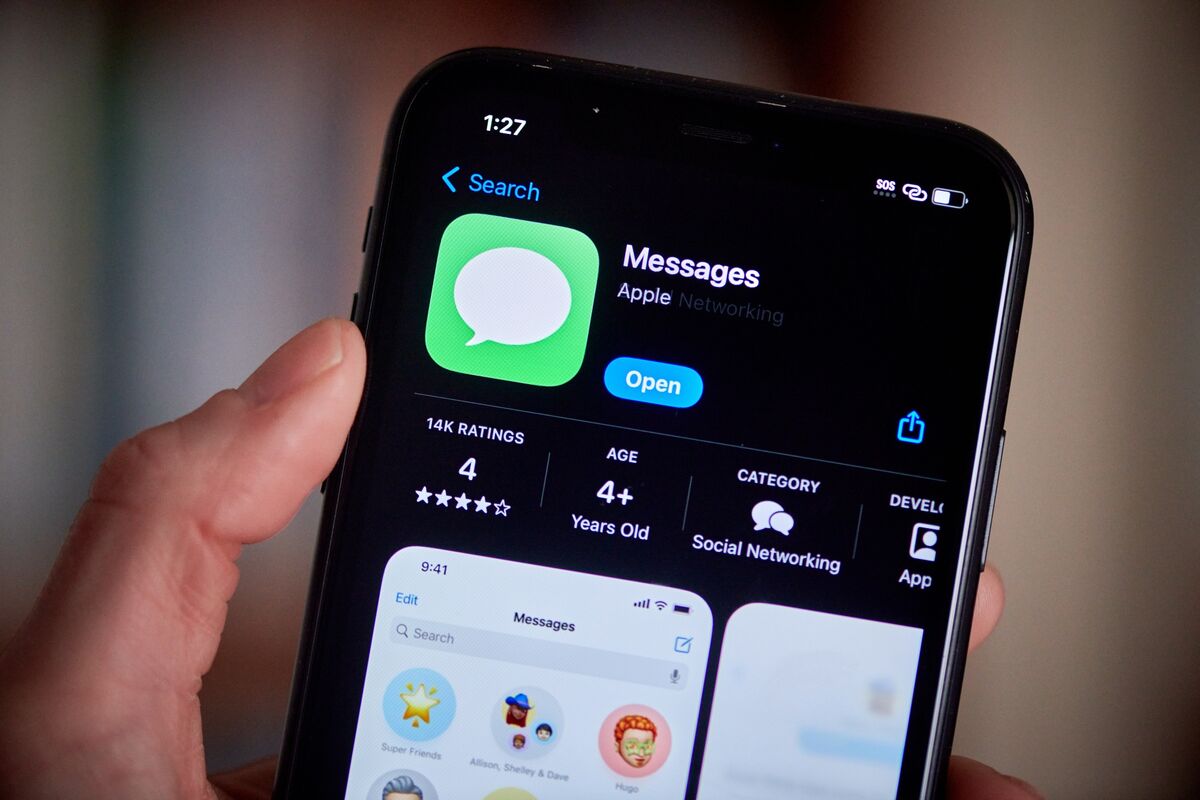
OpenAI rolled out support for controlling Apple’s iMessage service through ChatGPT. The integration could create new privacy concerns for Apple and users handling message data through an AI assistant.

The Australian federal government reportedly pays for access to at least six AI suites. Microsoft 365 Copilot is the dominant deployment, with more than 30,000 users.

Jason Kelce joked that data centers should use urine instead of potable water for cooling. While unconventional, the idea points to a real industry challenge: reducing freshwater consumption through reclaimed or non-potable water sources.

Pew found strong signs of AI authorship on around 10% of a random sample of webpages in July 2026. The share rises above one-third for pages published since ChatGPT’s release, with commercial .com domains showing far more AI involvement than .edu or .gov sites.