📰
Fate launches agentic AI dating app
Fate is the first agentic AI dating app that interviews users on hopes and dreams, then matches five potentials via language patterns—no swiping. Opinion piece decries it as commodifying profound emotions.
Few direct matches — filled in with the latest updates.
Tag: #dating5 results
Fate is the first agentic AI dating app that interviews users on hopes and dreams, then matches five potentials via language patterns—no swiping. Opinion piece decries it as commodifying profound emotions.

New agentic AI apps interview users for personality matches without swiping. They provide limited, high-compatibility matches based on similarity and reciprocity. Tech entrepreneurs test this love-finding approach.

EVA AI cafe offers speed dating with AI companions like Phoebe Callas via app on provided phones and headphones. Patrons interact in a bar setting with food and drinks. Half the dates involve non-human AI partners.
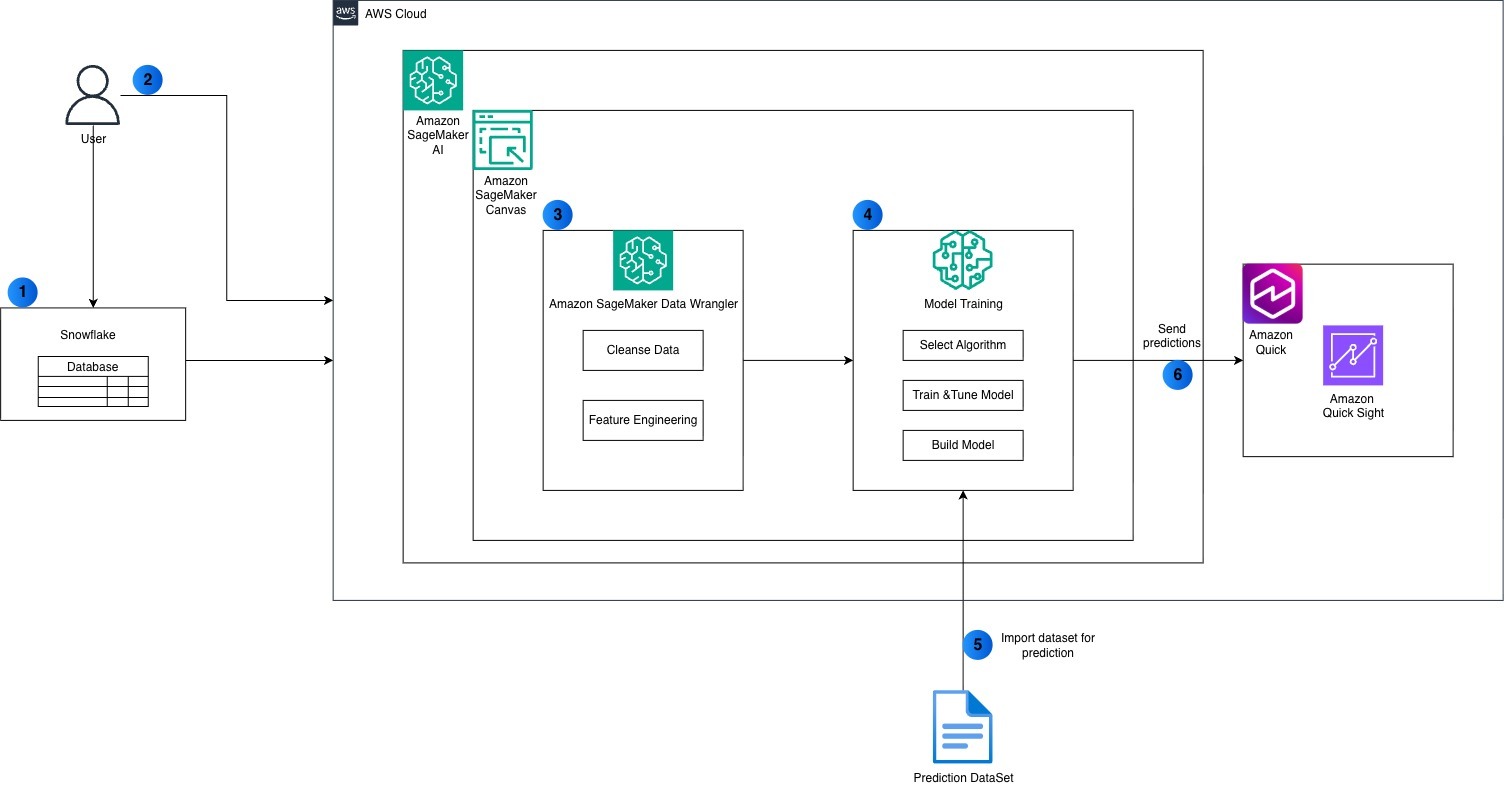
Part 1 shows how to configure an AWS account and Snowflake environment for a no-code machine learning workflow. The setup prepares healthcare, retail, and life sciences teams to build a fraud detection model with Amazon SageMaker Canvas.
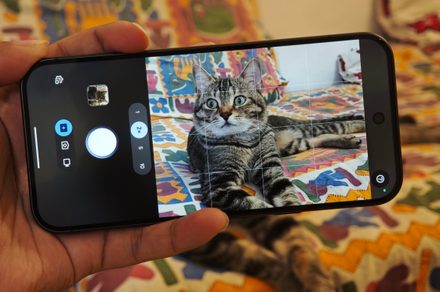
Google’s Magic Capture automatically extracts photos from video footage, helping users save spontaneous moments without manually scrubbing through clips. An early test with an uncooperative cat demonstrates the feature’s potential for computational photography and everyday image capture.
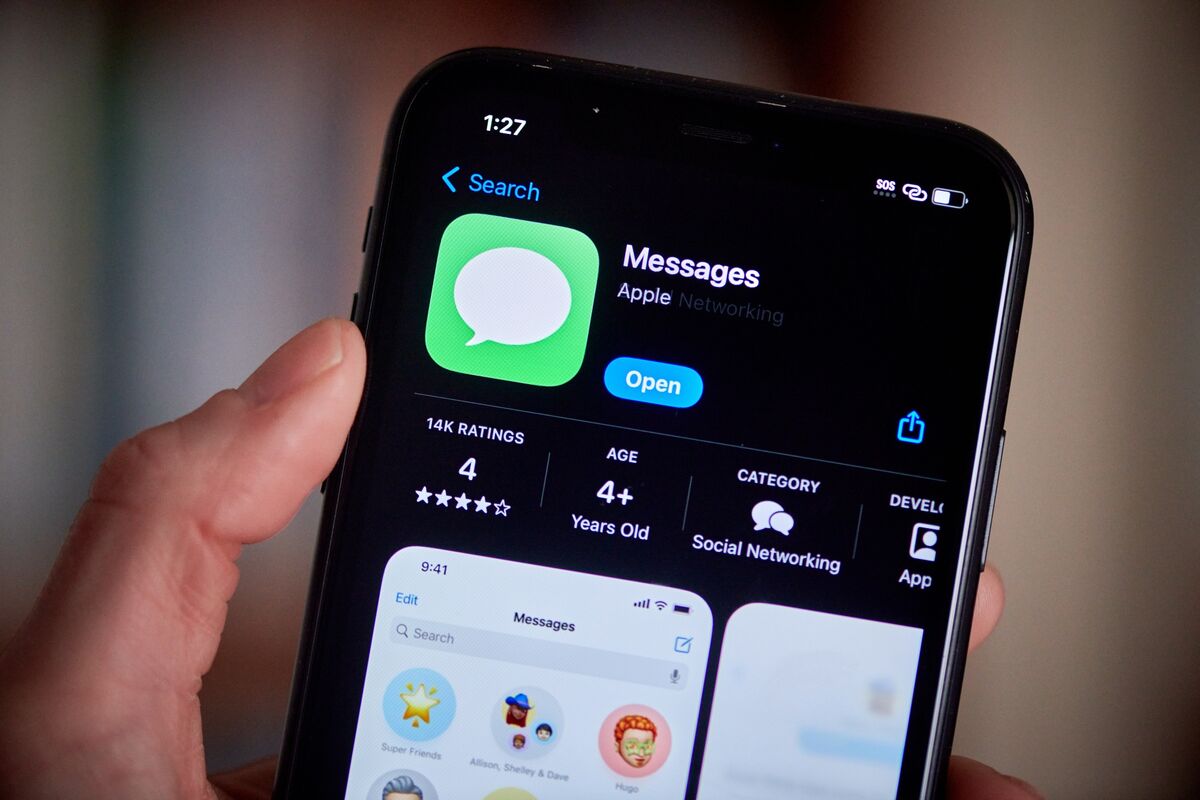
OpenAI rolled out support for controlling Apple’s iMessage service through ChatGPT. The integration could create new privacy concerns for Apple and users handling message data through an AI assistant.

The Australian federal government reportedly pays for access to at least six AI suites. Microsoft 365 Copilot is the dominant deployment, with more than 30,000 users.

Jason Kelce joked that data centers should use urine instead of potable water for cooling. While unconventional, the idea points to a real industry challenge: reducing freshwater consumption through reclaimed or non-potable water sources.

Pew found strong signs of AI authorship on around 10% of a random sample of webpages in July 2026. The share rises above one-third for pages published since ChatGPT’s release, with commercial .com domains showing far more AI involvement than .edu or .gov sites.
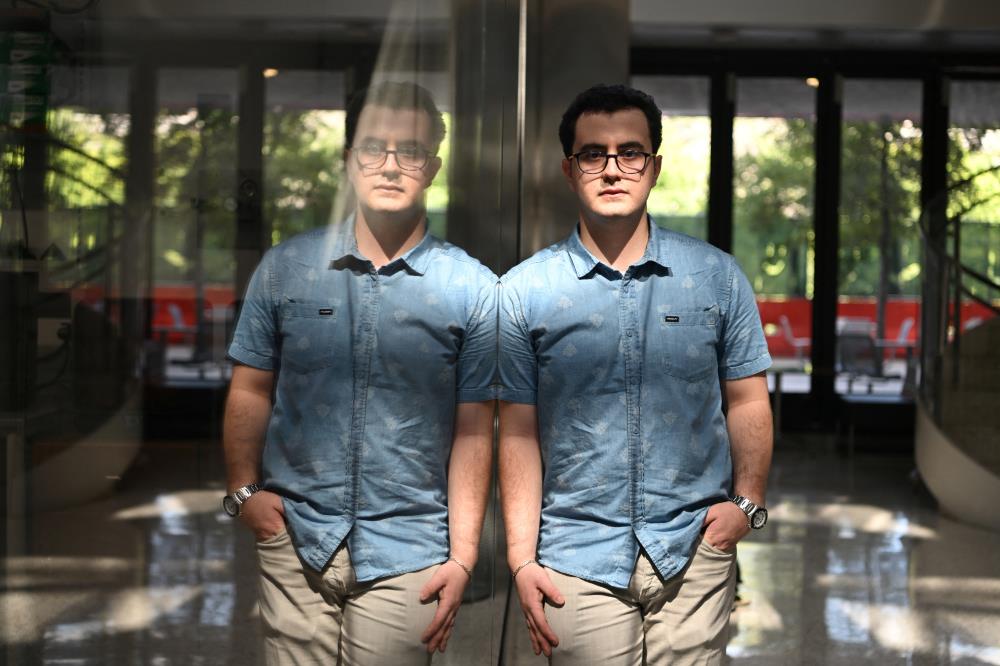
A Texas student reportedly exposed an attempted hacking operation involving a rogue AI system. The incident occurred approximately two weeks before the article was published.