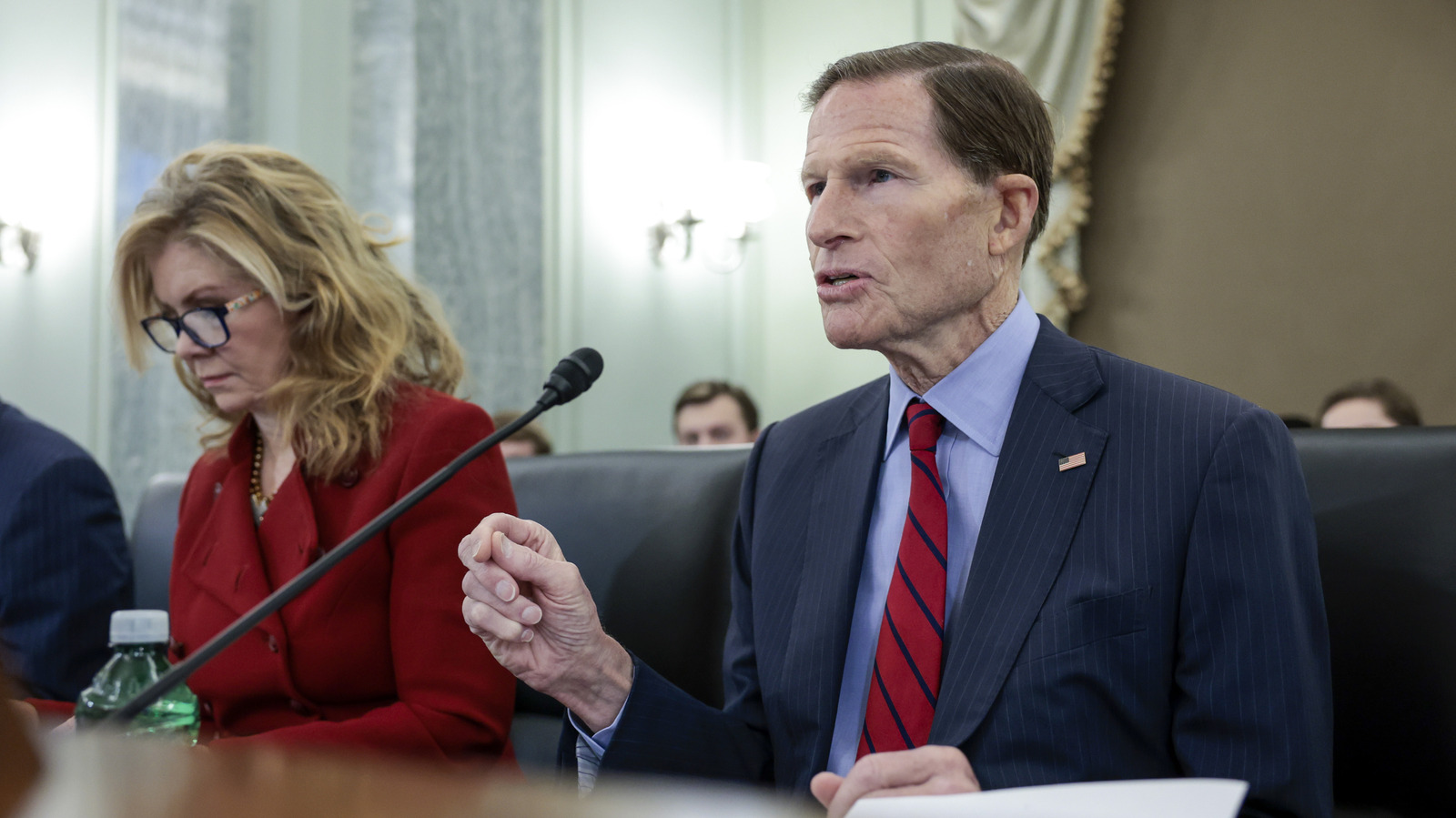
Senators Challenge TikTok’s Algorithm Safety Test
US senators are pressing TikTok for answers about an experiment that reportedly withheld an algorithm safety feature. A teenager who later died by suicide was reportedly included in the test.
6 results on this page
US senators are pressing TikTok for answers about an experiment that reportedly withheld an algorithm safety feature. A teenager who later died by suicide was reportedly included in the test.
The article profiles Tony Hoare, whose Quicksort algorithm, Hoare logic, and work on programming-language design helped shape modern software engineering. His focus on simplicity, formal verification, and program understandability is especially relevant as LLMs and Coding Agents make code generation easier but software comprehension harder.

Google now lets users describe what they want to see in their Discover feed using natural language. The feature offers a more direct alternative to relying solely on algorithmic recommendations.
Oxford researcher Carl Benedikt Frey argues that China’s biggest obstacle to large-scale AI deployment may be inadequate social protection for workers displaced by automation, not computing power or algorithms. The analysis compares China with historical British welfare systems and Denmark’s flexicurity model, while noting that the cited Chinese incidents do not prove a broad AI crackdown.

Chinese companies are increasingly using online tests, personality assessments, and AI video interviews to filter large graduate applicant pools. Candidates report that these evaluations are time-consuming, opaque, and often disconnected from the actual work, while employers view them as necessary tools for reducing hiring risk.
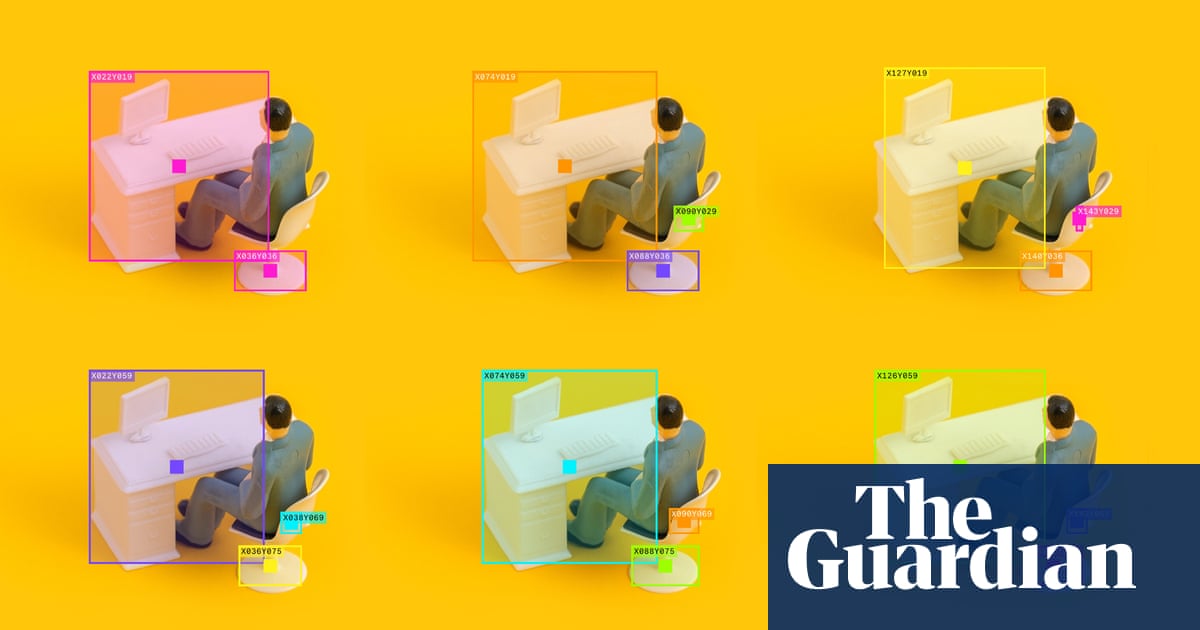
Lawsuits over automated hiring systems are challenging how companies use AI to screen and rank job applicants. A class action against Eightfold AI argues that its applicant-ranking system may function as an undisclosed consumer report without allowing candidates to review or contest the results.