
Waymo Builds Custom Chip for Smarter Robotaxis
Waymo has developed a custom chip designed to improve the performance of its robotaxis. The chip also reduces the company’s reliance on third-party suppliers such as Nvidia.
Few direct matches — filled in with the latest updates.
10 results on this page
Waymo has developed a custom chip designed to improve the performance of its robotaxis. The chip also reduces the company’s reliance on third-party suppliers such as Nvidia.

AMACO’s $1.5 billion HERCULES project in Kenya combines electricity generation, cooling, and AI data-centre infrastructure. Its initial design uses liquefied natural gas to reduce reliance on the national grid, with future support for renewable energy and hydrogen.
Bloomberg Intelligence estimates that Europe would need to spend about $3 trillion through 2035 to reduce reliance on foreign suppliers for AI and other critical technologies. Achieving full technological autonomy would require substantially greater investment.

Turing Award winner Richard Sutton criticized the AI industry’s growing reliance on synthetic data to address training-data shortages. Speaking on Sequoia Capital’s Training Data podcast, he called the shift “a big mistake.”

Astro 7 reportedly rewrites its compiler and Markdown processing pipeline in Rust. The change targets the framework’s core build and content-processing infrastructure.

FAW Hongqi has launched the refreshed HS5 SUV at a promotional price starting at 134,800 yuan. The vehicle adds Lingxi Smart Cabin 5.0, Hongqi Sinuo intelligent driving, upgraded displays, and a 2.0T powertrain.

Jingxin Microelectronics has successfully powered on its domestically developed RapidIO 3.2 switch chip SR1820 and RapidIO 3.2-to-PCIe 4.0 bridge chip ST0420. The chips completed all primary functional use cases in under one hour after returning from fabrication.
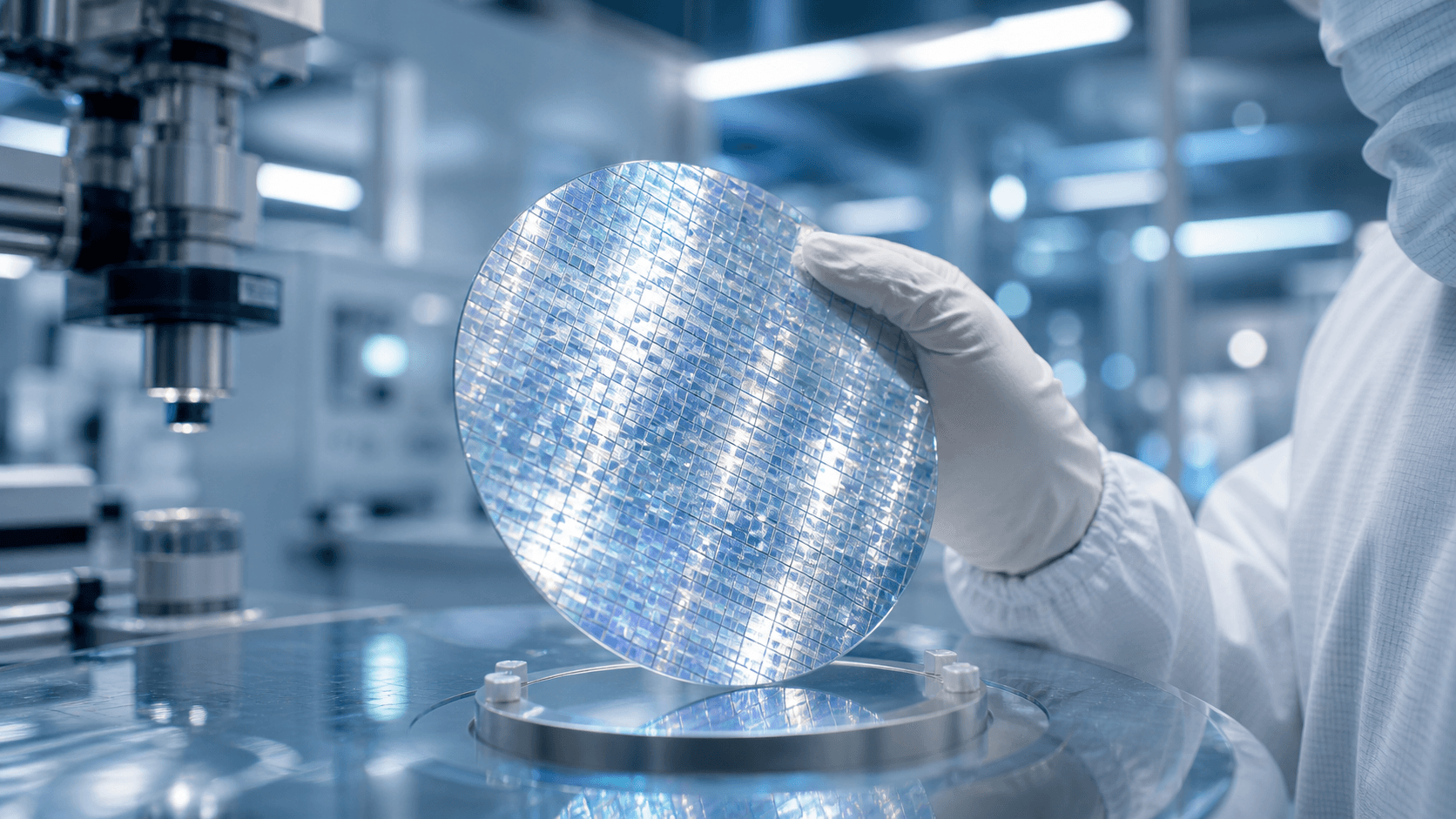
Shanghai is advancing a fourth-generation semiconductor ecosystem in Lingang, building on early research efforts launched in March 2024. The initiative focuses on gallium oxide and diamond materials, with incubators such as Sinan helping move laboratory results toward commercialization.
As industrial systems, infrastructure, robots, and AI agents gain the ability to change physical conditions, cybersecurity must protect actions and outcomes—not only data and access. The article argues that future defenses need to evaluate whether an authorized action is appropriate for the current environment, state, and safety boundaries.
Counterpoint Research predicts that Samsung Electronics will regain the top position in the global smartphone market this year. The forecast highlights Samsung’s relative resilience amid rising memory-chip prices.