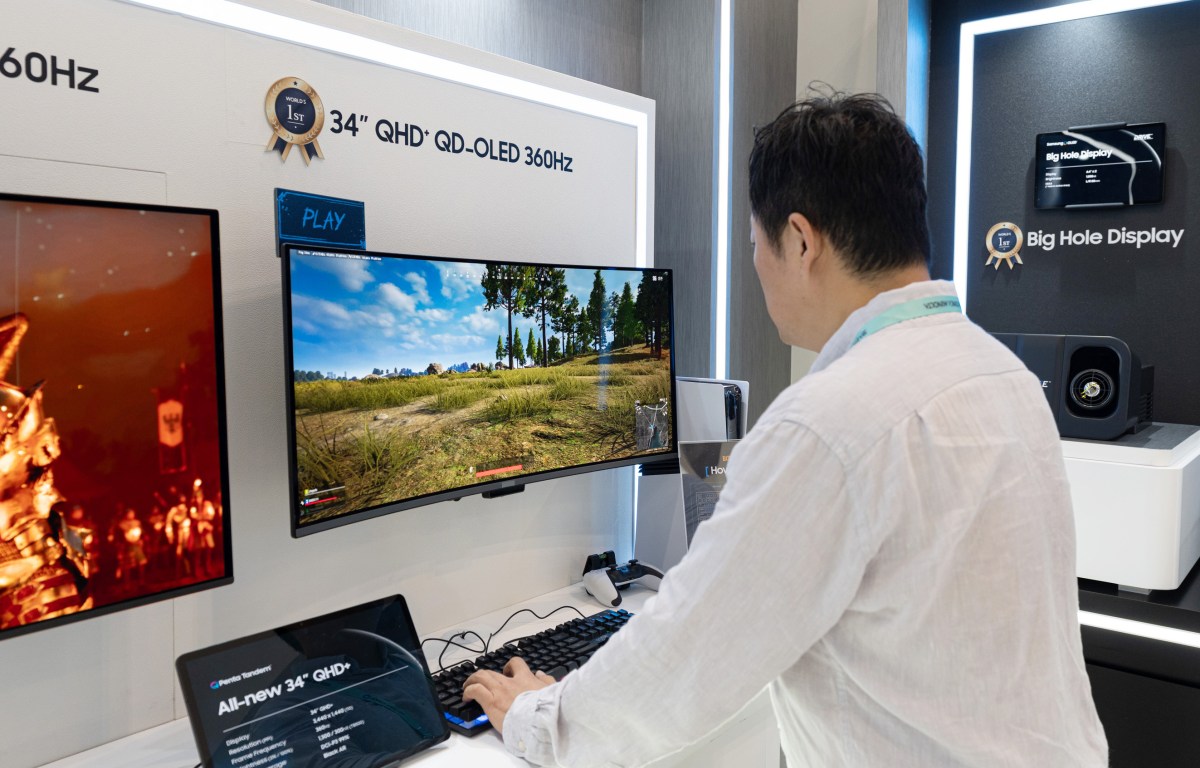
Samsung Unveils First 300Hz Laptop OLED
Samsung showcased a 16-inch OLED panel for gaming laptops with a 300Hz refresh rate at IMID 2026 in Busan. The company also demonstrated high-refresh-rate QD-OLED technology.
10 results on this page
Samsung showcased a 16-inch OLED panel for gaming laptops with a 300Hz refresh rate at IMID 2026 in Busan. The company also demonstrated high-refresh-rate QD-OLED technology.

KernelArc is a multi-agent framework for autonomous GPU kernel optimization across heterogeneous workloads. On NVIDIA H100 and B200 GPUs, its implementations ranked first on representative L1, L2, Quantization, and FlashInfer tasks in the July 30, 2026 SOL-ExecBench snapshot.
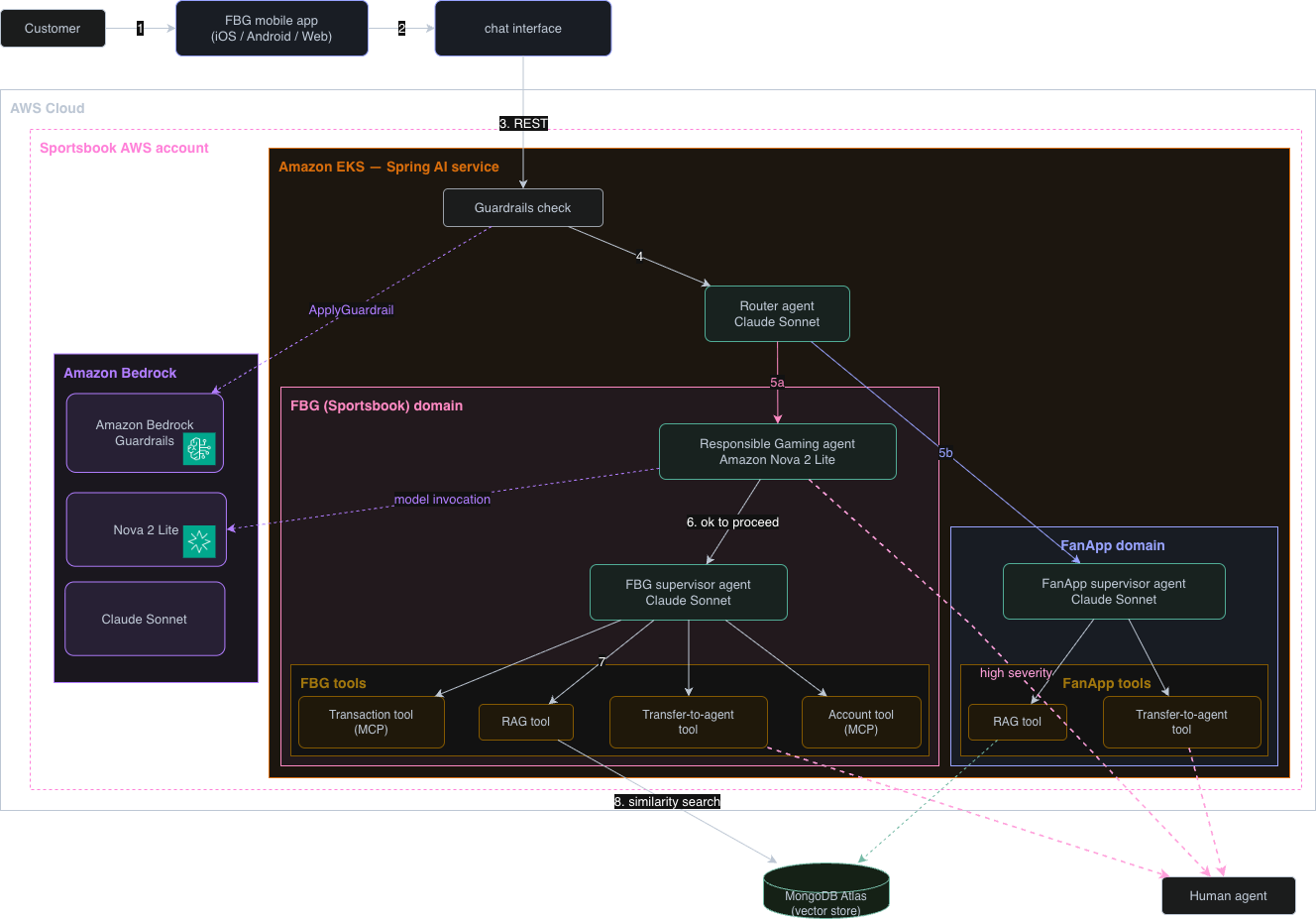
Fanatics Betting and Gaming built a multi-agent customer support system on AWS to manage the complexity of sports betting. The architecture addresses state-specific regulations, real-time responsible gaming requirements, and traffic surges during major sporting events.

A community benchmark reports up to 218.3 tokens per second for Qwen3.8-27B on two RTX 3090 GPUs using vLLM, INT4 quantization, and DFlash2 speculative decoding. The setup achieved a 131K context ceiling, 168–178 ms time to first token, and peak VRAM usage of 22.3 GB per card.

A builder reports running DeepSeek V4 Flash-0731 at roughly 130–150 tokens per second using 16 RTX 5060 Ti 16GB GPUs connected through two PLX PEX88096 switch islands. The configuration supports up to 500,000-token context with tensor parallelism 8 and up to 1 million tokens with tensor parallelism 4.
Alibaba will sell all shares of Lingxi Games to Chixin Capital for 10.1 billion yuan, exiting self-developed game content. The deal reflects Alibaba’s shift from gaming toward AI, where its Qwen models and consumer products are becoming strategic priorities.
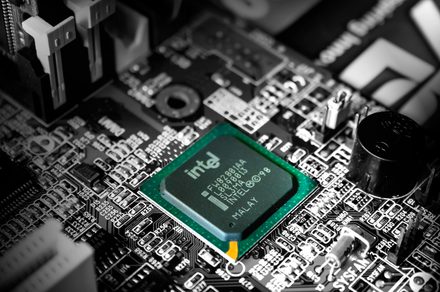
Intel’s rumored Razor Lake mobile processors may introduce bLLC, enabling substantially larger cache pools for laptops. An early manufacturing claim has also reportedly shifted from TSMC N2X to the less clearly defined N2P V2 process.
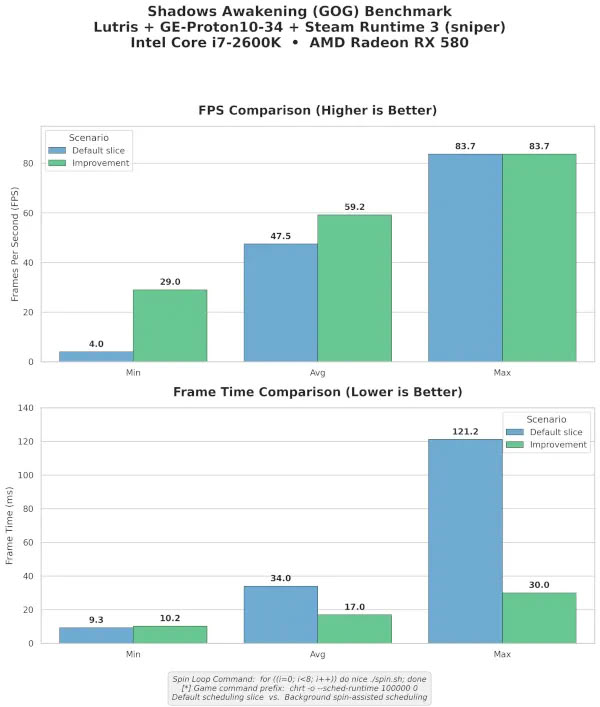
Linux Kernel 7.3 is set to introduce major scheduler changes aimed at improving efficiency and reducing system latency. The update also adds formal support for asymmetric CPUs, including Intel processors that combine performance cores and efficiency cores, potentially improving gaming performance on low-power PCs.

Google’s Pixel 11 Pro and Pixel 11 Pro XL introduce highly capable voice typing alongside other software improvements. However, weak gaming performance and an ineffective rear LED prevent the phones from standing out as major flagship upgrades.
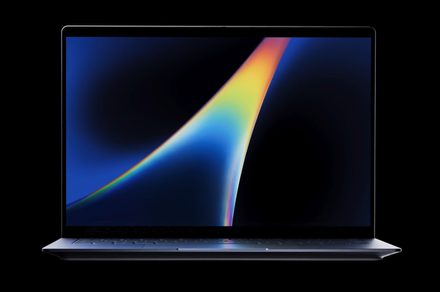
Google will showcase Googlebook in New York on September 15. The event will reveal its Gemini-powered software, native Android codebase, and laptops made by hardware partners.