Googlebook Launch Event Set for September 15
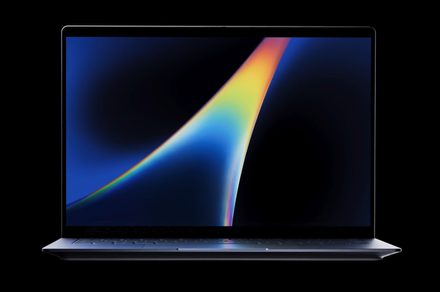
💡Googlebook may turn Gemini and native Android into the foundation of a new laptop platform.
⚡ 30-Second TL;DR
What Changed
Googlebook will be showcased in New York on September 15.
Why It Matters
Googlebook could bring Gemini more deeply into laptop operating-system experiences. For AI builders, the announcement may signal new opportunities for Android-native agents and device-level AI integrations, although implementation details remain unavailable.
What To Do Next
Track the September 15 Googlebook event and prepare to test any announced Gemini or Android APIs for laptop-based agent workflows.
Key Points
- •Googlebook will be showcased in New York on September 15.
- •Its software will be powered by Gemini.
- •The platform uses a native Android codebase.
- •Hardware partners will produce Googlebook laptops.
🧠 Deep Insight
AI-generated analysis for this event.
🔑 Enhanced Key Takeaways
- •Googlebook is positioned as a strategic successor to the legacy ChromeOS ecosystem, aiming to unify the Android and desktop computing experiences.
- •The platform leverages a new 'Project Arc-Next' framework, allowing native Android applications to run with full windowing and desktop-class multitasking capabilities.
- •Hardware partners, including Samsung and Lenovo, are confirmed to be developing premium 'Googlebook' branded hardware featuring custom Tensor-based silicon.
- •The software architecture integrates Gemini Nano directly into the kernel for on-device AI processing, reducing latency for system-wide tasks.
- •Googlebook will introduce a unified 'Google Account' ecosystem that synchronizes local file systems across Android mobile devices and laptops seamlessly.
📊 Competitor Analysis▸ Show
| Feature | Googlebook | Apple MacBook (macOS) | Microsoft Surface (Windows 11) |
|---|---|---|---|
| Core Architecture | Native Android | macOS (Unix-based) | Windows NT |
| AI Integration | Gemini (Kernel-level) | Apple Intelligence | Copilot+ |
| App Ecosystem | Android (Native) | macOS/iOS (via Rosetta) | Win32/UWP/Android (via WSA) |
| Hardware | Partner-led (Tensor) | Apple Silicon | OEM-led (x86/ARM) |
🛠️ Technical Deep Dive
- Kernel: Utilizes a hardened Android-based kernel with a custom desktop window manager (DWM) optimized for high-refresh-rate displays.
- AI Architecture: Employs a hybrid model approach where Gemini Nano handles local privacy-sensitive tasks, while Gemini Ultra manages cloud-based heavy lifting.
- Security: Implements a 'Verified Boot' process similar to ChromeOS but extended to support Android's granular permission model at the system level.
- Memory Management: Features a new 'Dynamic Resource Allocation' system that prioritizes foreground app performance by suspending background Android processes.
🔮 Future ImplicationsAI analysis grounded in cited sources
⏳ Timeline
Weekly AI Recap
Read this week's curated digest of top AI events →
👉Related Updates
AI-curated news aggregator. All content rights belong to original publishers.
Original source: Digital Trends ↗