🎵
Indian Startup Challenges OpenAI in Voice AI
A Bangalore-based startup has entered the competition to create highly human-like artificial voices. Its AI model reportedly earns high scores compared with systems from OpenAI and ElevenLabs.
10 results on this page
A Bangalore-based startup has entered the competition to create highly human-like artificial voices. Its AI model reportedly earns high scores compared with systems from OpenAI and ElevenLabs.
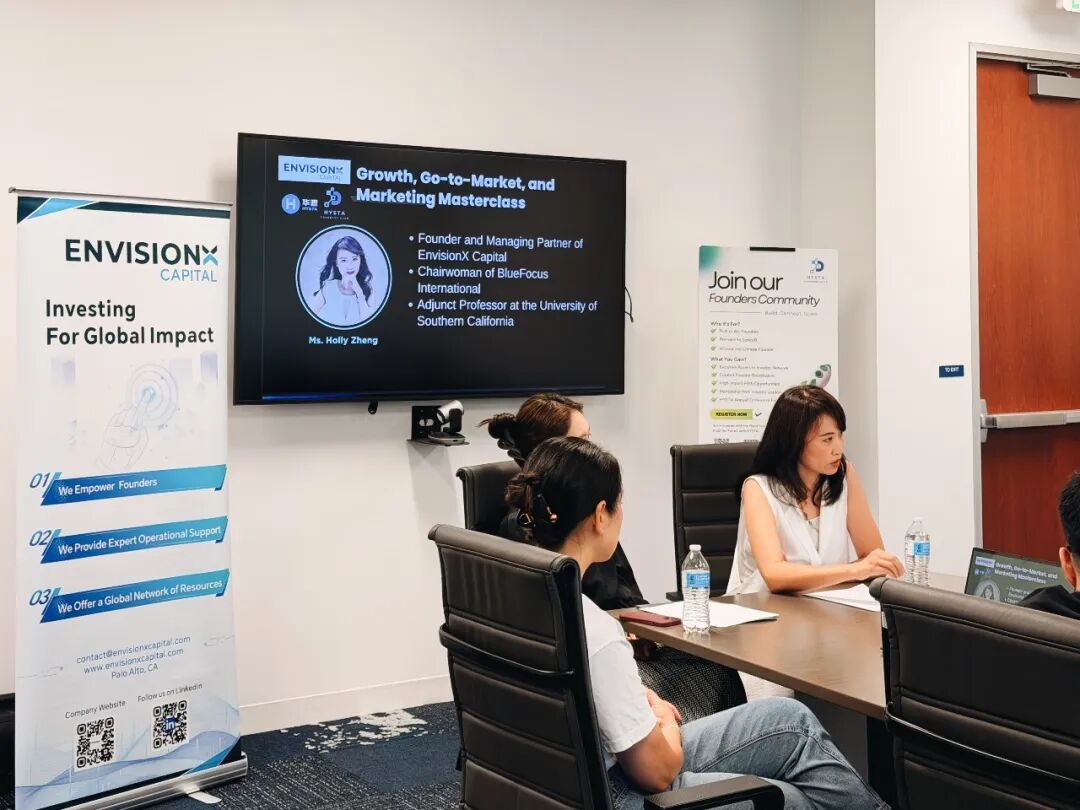
This article presents a Silicon Valley VC perspective on evaluating AI startups through five dimensions. Its core message emphasizes keeping ideals internally while embedding discipline into operating processes.
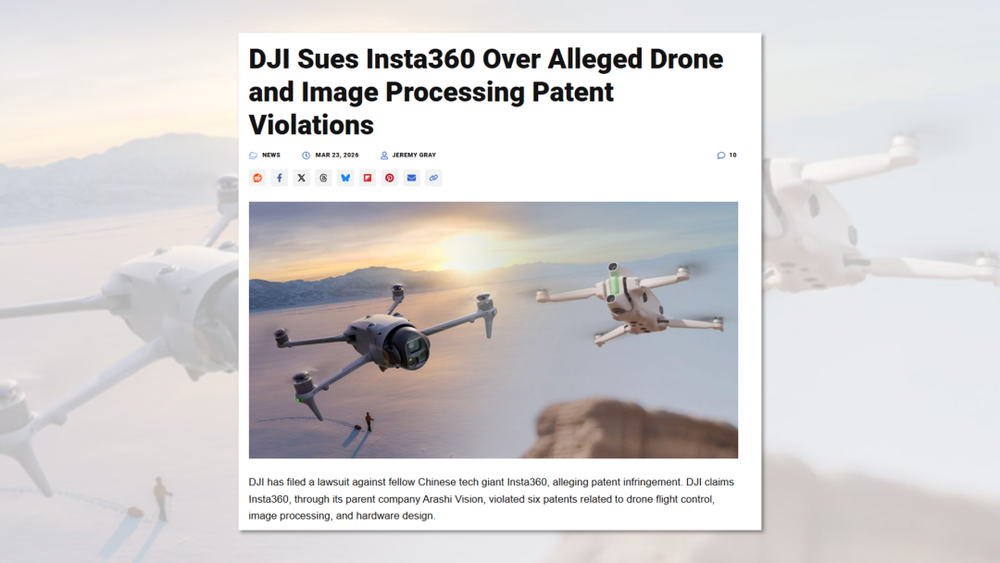
The article argues that a living industrial cluster is defined less by its company count than by the speed at which key engineering talent moves between firms. The DJI alumni ecosystem shows how implicit expertise in robotics, motor control, sensing, and supply-chain execution can seed startups across many hardware categories.
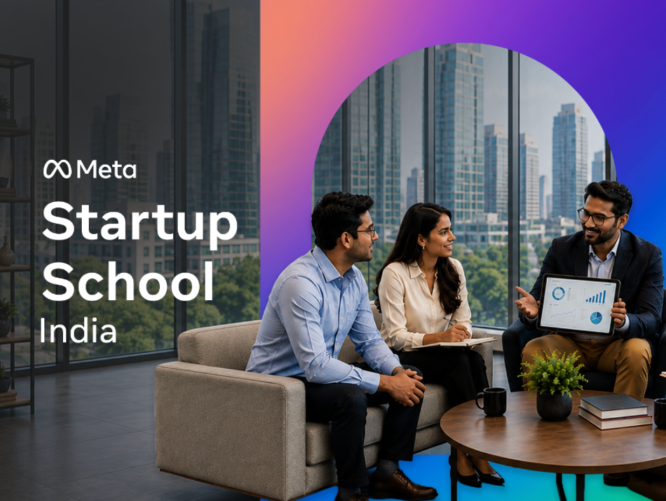
Meta is launching Meta Startup School, a three-month programme for early-stage consumer brands. Its first cohort will include 200 startups receiving training and support from venture capital firms and industry experts.

China’s prefabricated computing infrastructure reportedly achieves over 90% factory prefabrication and can enter operation within 24 hours. The approach is said to improve delivery efficiency by 70%.

Baidu has upgraded its app with interactive, GUI-based search components and an improved ERNIE Teacher. ERNIE Assistant task engine 2.0 now handles end-to-end office workflows, from information gathering to final delivery, at no cost.
Google announced that its open model family, Gemma, has surpassed one billion cumulative downloads. More than 100,000 derivative models have been created, and Google launched the official Awesome Gemma directory on GitHub.
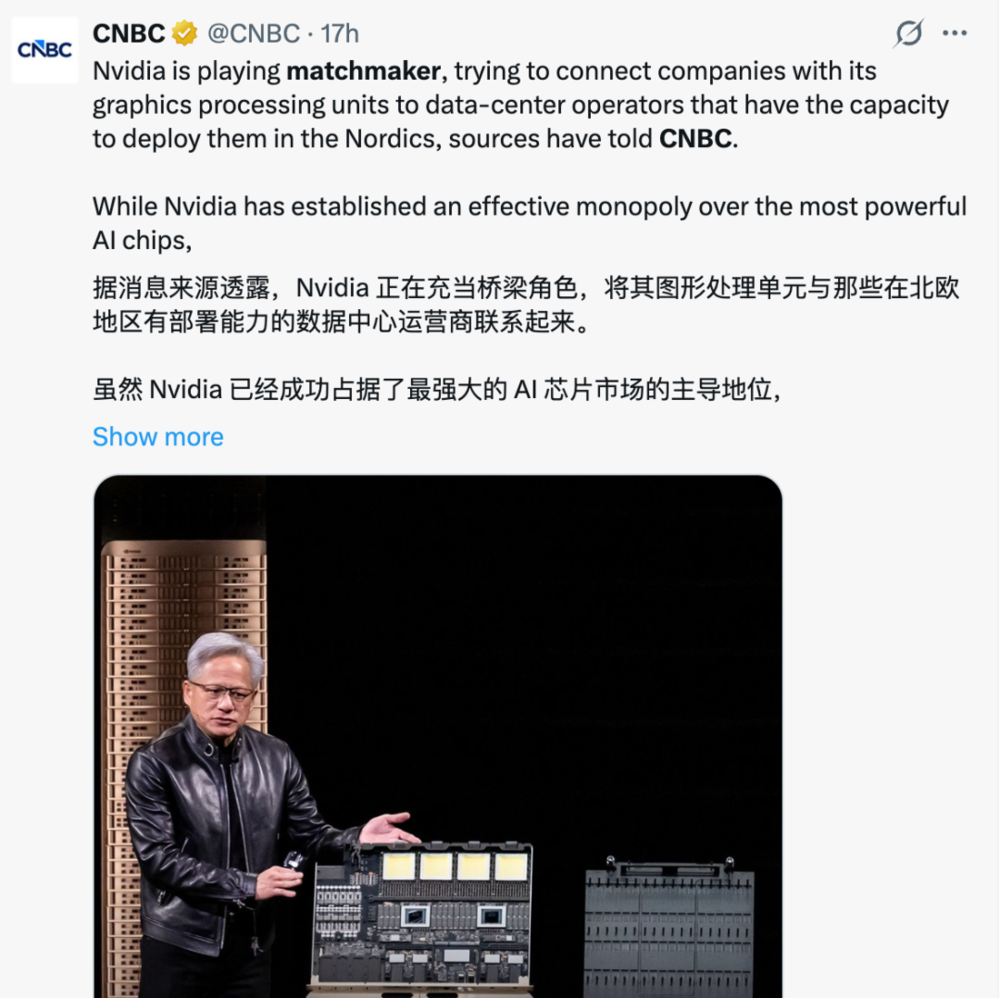
NVIDIA is reportedly connecting GPU-owning AI companies with Nordic data-center operators that have available power, land, and server capacity. The strategy expands NVIDIA’s role from chip supplier to infrastructure orchestrator, helping customers deploy GPUs and secure future chip demand.
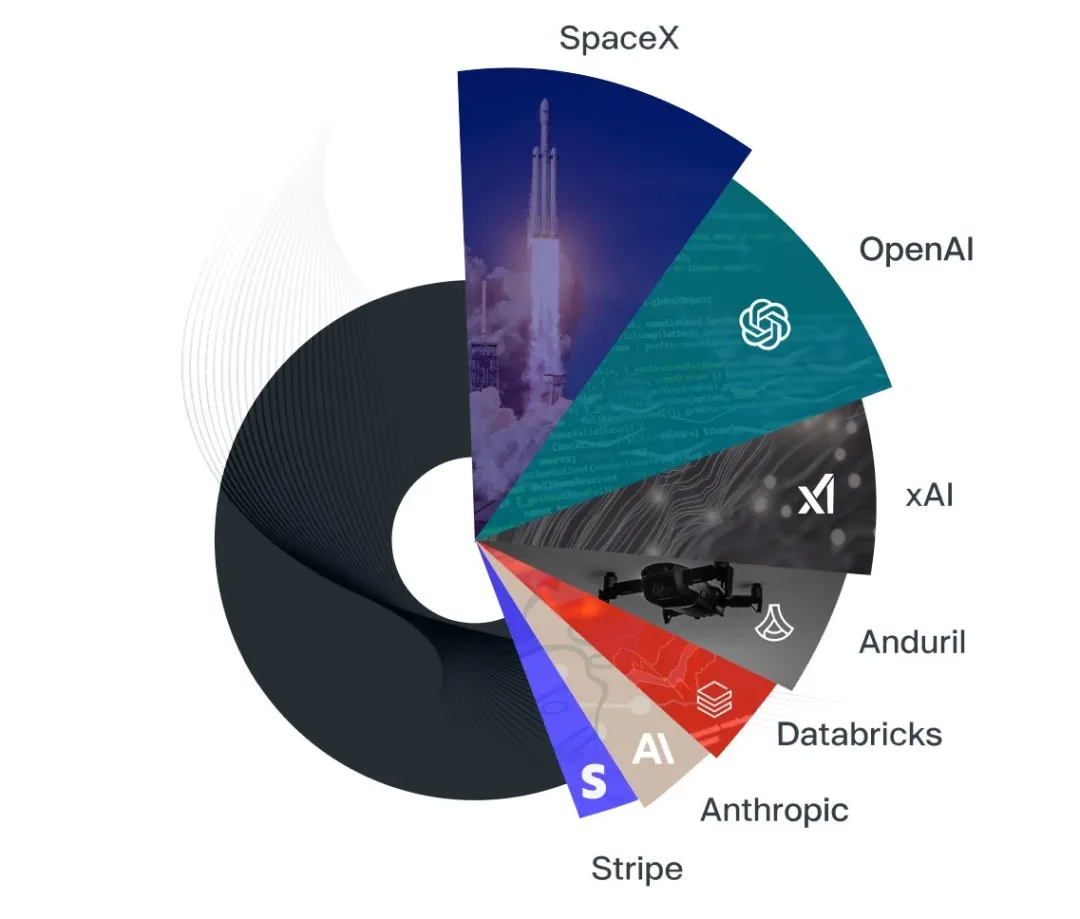
Anduril Industries reportedly completed a $5 billion Series H financing at a $61 billion valuation, reinforcing its position as a major defense-technology company. The article highlights its Lattice AI platform, flexible Arsenal-1 manufacturing system, and Palmer Luckey’s view that China’s engineering and manufacturing efficiency could reshape future military competition.
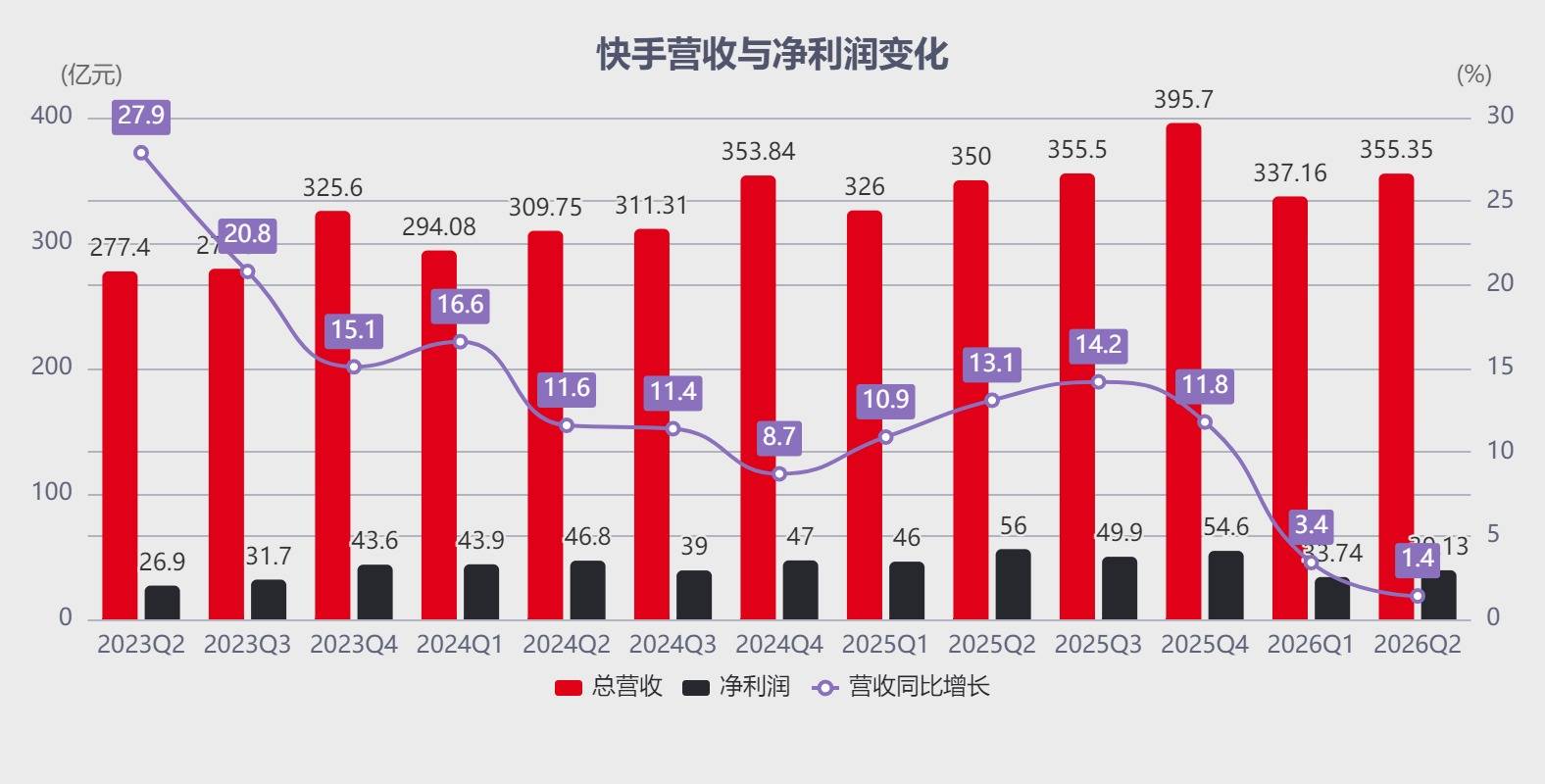
Kling AI generated more than RMB 850 million in Q2 revenue, up 240% year over year, making it the standout growth driver in Kuaishou’s otherwise slowing business. Kuaishou is prioritizing AI investment, spinning Kling AI out for independent financing at an implied valuation of US$18 billion despite near-term profit pressure.