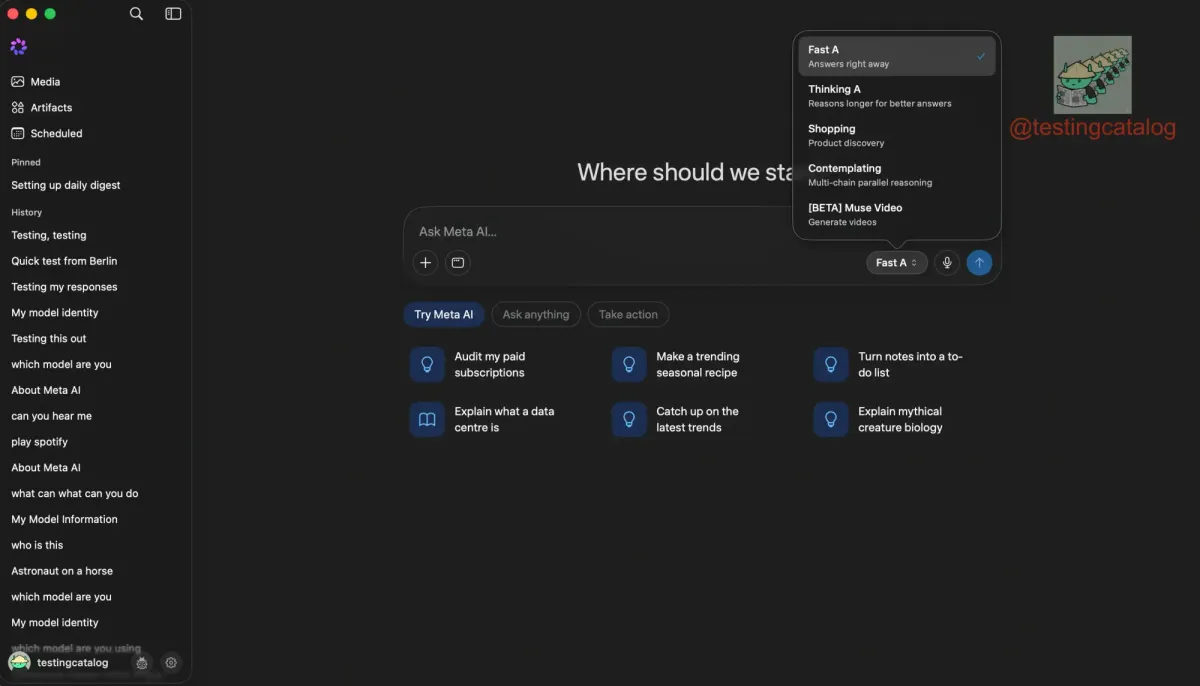
Meta’s Muse Video Enters Closed Beta
Meta’s Muse Video model has entered a closed beta, with early tests highlighting native audio generation. The model reportedly produces 10-second videos with strong visual detail and temporal consistency.
10 results on this page
Meta’s Muse Video model has entered a closed beta, with early tests highlighting native audio generation. The model reportedly produces 10-second videos with strong visual detail and temporal consistency.
Kuaishou is spinning out its Kling AI video-generation model into a separately financed company, attracting investment from Tencent, Alibaba Cloud, Baidu, and other institutions at an implied valuation of $18 billion. Kling has surpassed 100 million global users and nearly 50,000 enterprise customers, but continues to generate substantial losses because of compute costs.

Ornith-1.5 launches open models in 397B, 35B, and 9B parameter sizes. The models feature self-improving task and scaffold generation and report strong performance on coding and reasoning benchmarks.
Moonshot and ZAI are reportedly approaching the performance of models from OpenAI and Anthropic. The models can reportedly build passable websites at a cost 75% lower than Claude, highlighting potential advantages in cost-sensitive coding workflows.
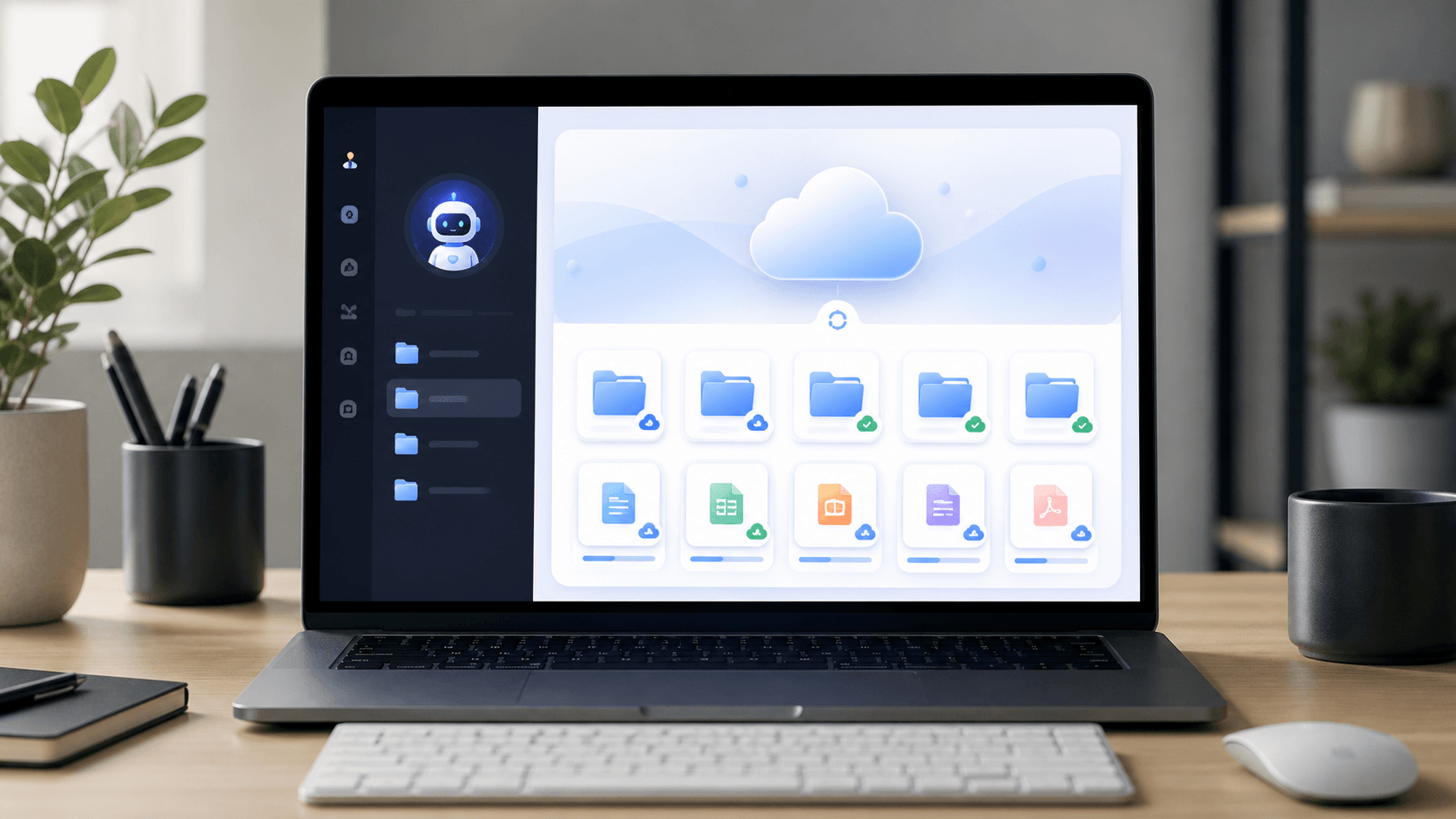
MiniMax launched MiniMax Design, a production workflow built around its H3 video model. The platform organizes professional video capabilities into executable nodes for continuous editing, collaboration, and delivery across video, image, music, and voice generation.
A Bangalore-based startup has entered the competition to create highly human-like artificial voices. Its AI model reportedly earns high scores compared with systems from OpenAI and ElevenLabs.

AI video creation is moving toward a previsualization workflow built around 3D white models instead of extremely long prompts. This approach helps AI systems follow precise camera-movement requirements more reliably.
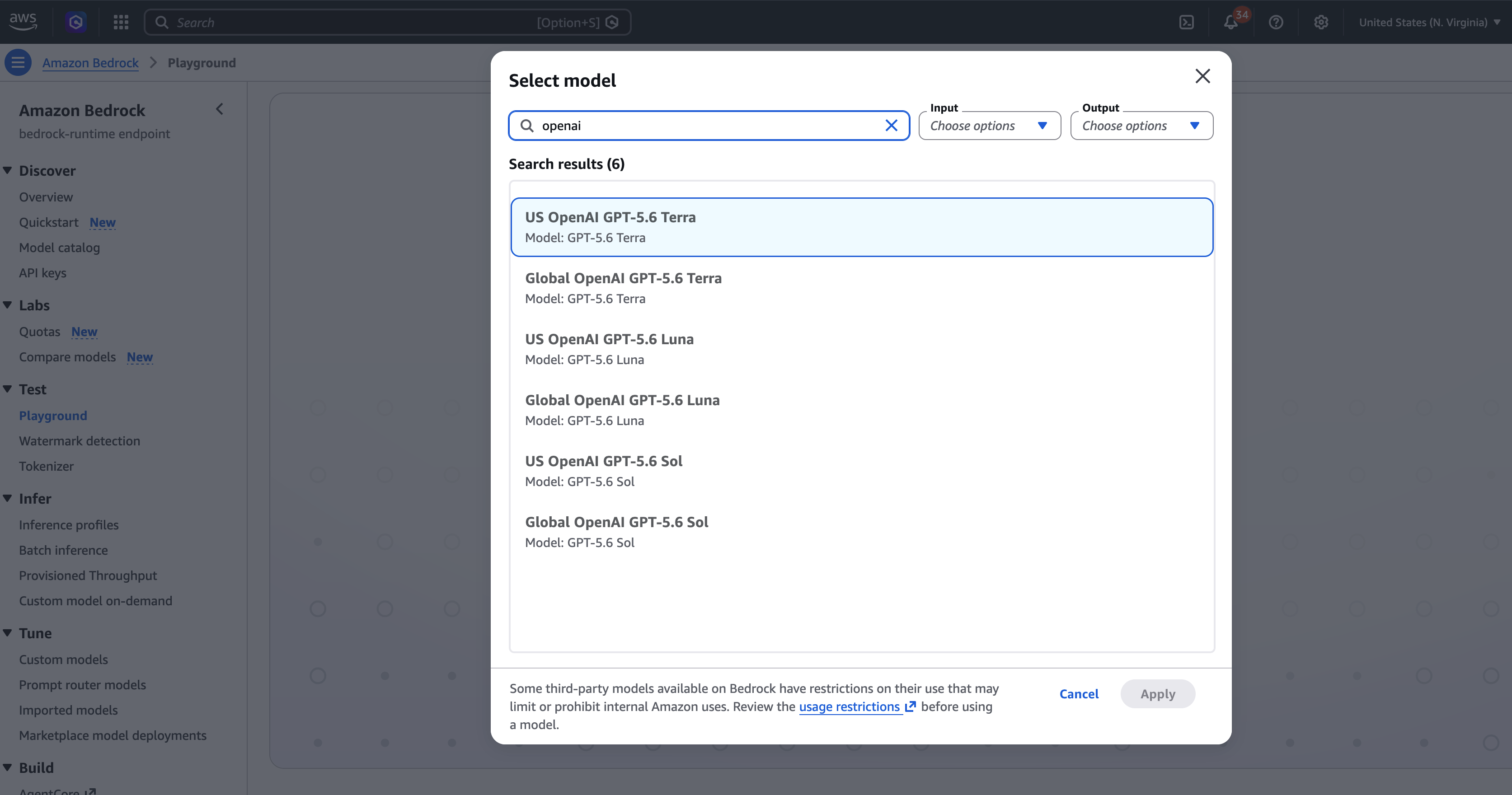
Amazon Bedrock now supports OpenAI GPT-5.6 models—Sol, Terra, and Luna—across more than 25 AWS Regions through cross-Region inference. Developers can use US geographic or global inference profiles to improve throughput and access the models through OpenAI and Converse APIs.
Anthropic plans to let business customers retain data for its most capable AI models on their own cloud infrastructure. The planned safety system, expected later this year, would still require a 30-day retention period while moving storage control to customers.

Ramp has launched Router, an AI model routing service that allows users and companies to access and switch between multiple large language models. The service is available through an API.