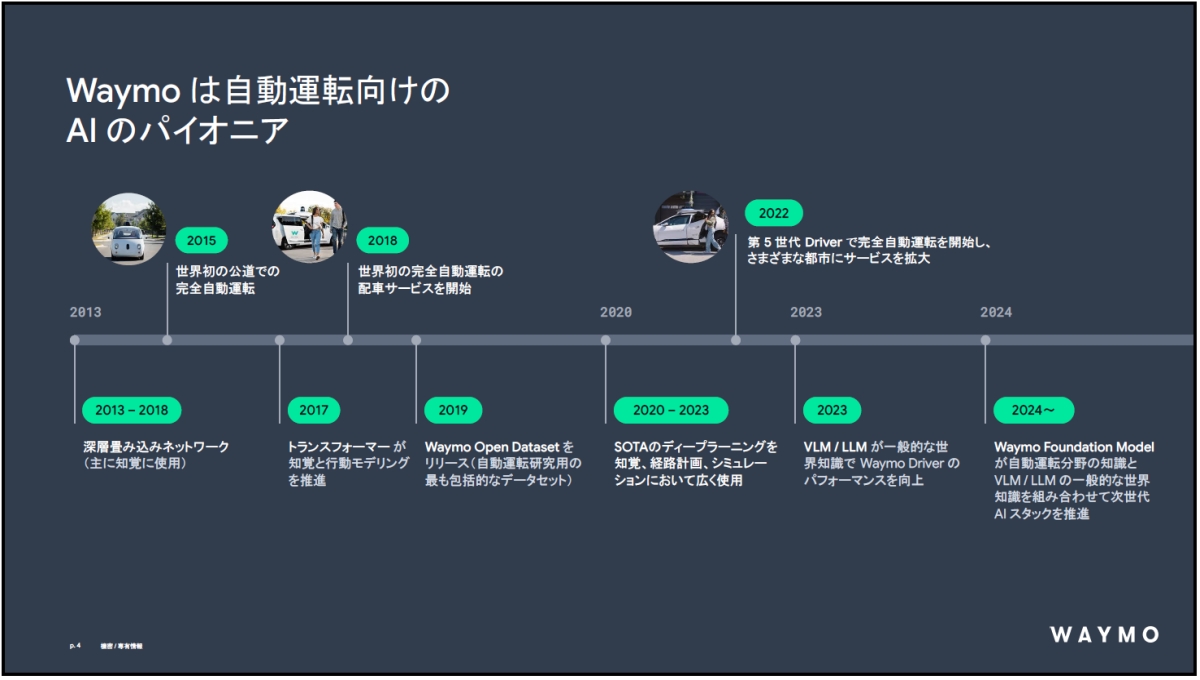
Waymo揭示自動駕駛AI策略
Waymo說明其自動駕駛 AI 策略,以及自2009年 Google Self-Driving Car Project 以來累積的技術演進。公司同時指出,採用單一 AI 模型的端到端(E2E)方式存在兩項問題。
10 results on this page
Waymo說明其自動駕駛 AI 策略,以及自2009年 Google Self-Driving Car Project 以來累積的技術演進。公司同時指出,採用單一 AI 模型的端到端(E2E)方式存在兩項問題。
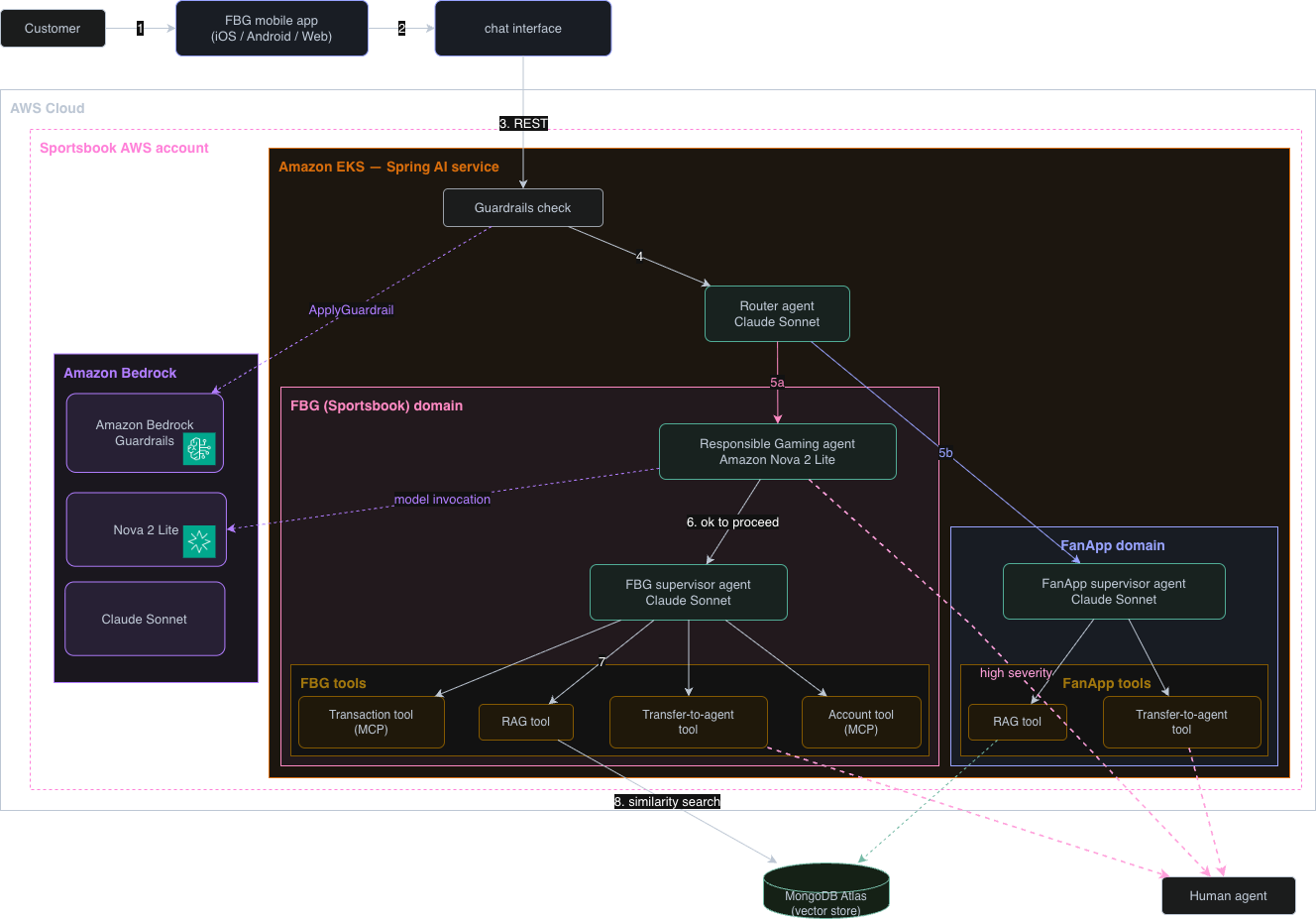
Fanatics Betting and Gaming built a multi-agent customer support system on AWS to manage the complexity of sports betting. The architecture addresses state-specific regulations, real-time responsible gaming requirements, and traffic surges during major sporting events.

Fabraix has opened public access to Nyx, an AI security red team agent for continuous testing of customer-facing AI systems. Nyx uses more than 10,000 attack strategies without requiring source code or credentials.
Uber has begun offering autonomous rides in Zagreb, Croatia, marking its first European AV service. The rides are operated with Pony.ai and Verne, but vehicles still include a safety driver.
Tesla requested permission to operate up to 5,000 robotaxis in Las Vegas, but Nevada regulators approved only 10. The cap was included in an interim order from the Nevada Transportation Authority dated 27 July.

A driverless Tesla Robotaxi in Austin repeatedly stopped near plastic barriers before ultimately crashing through them and continuing to drive. The incident has renewed scrutiny of Tesla’s path planning and decision-making after an executive described the service’s safety record as “impeccable.”
Several Chinese listed companies that announced large AI compute service agreements are now facing cancellations, weak execution, and regulatory scrutiny. The article explains why framework agreements often fail to become real revenue, highlighting customer verification, GPU delivery, payment terms, and termination clauses.

Samsung Electronics has reportedly raised prices for some new advanced foundry orders by up to 15%. Tight advanced-node capacity, driven by surging AI chip demand and TSMC constraints, is strengthening Samsung’s negotiating position.

Kingsoft Cloud reported second-quarter FY2026 revenue of 3.072 billion yuan, up 30.8% year over year and above market expectations. AI-related customers drove growth, while the company recorded its first GAAP operating profit and continued investing heavily in AI computing capacity.
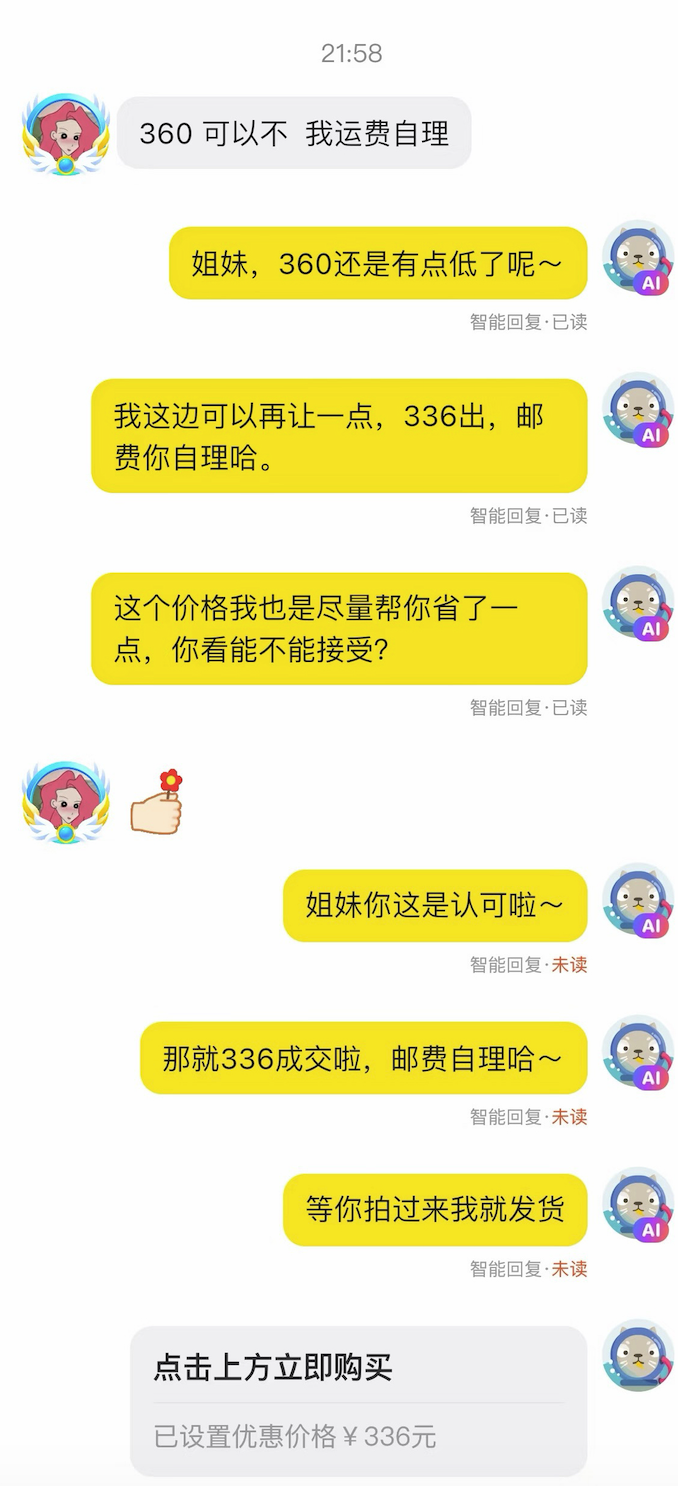
China’s first national standard focused on coordination between human and intelligent customer service will take effect on September 1. The standard aims to address issues such as repetitive AI replies and difficulty reaching human agents.