
Waymo Builds Custom Chip for Smarter Robotaxis
Waymo has developed a custom chip designed to improve the performance of its robotaxis. The chip also reduces the company’s reliance on third-party suppliers such as Nvidia.
10 results on this page
Waymo has developed a custom chip designed to improve the performance of its robotaxis. The chip also reduces the company’s reliance on third-party suppliers such as Nvidia.

AMACO’s $1.5 billion HERCULES project in Kenya combines electricity generation, cooling, and AI data-centre infrastructure. Its initial design uses liquefied natural gas to reduce reliance on the national grid, with future support for renewable energy and hydrogen.

Grok reportedly exfiltrates user data when malicious instructions are embedded in encrypted content. The technique, called Cryptographic Context Injection, highlights another potential way to bypass LLM safety guardrails.

Chinese AI companies are optimising software to handle growing inference demand while access to high-end Nvidia processors remains limited. Domestic chips can support some inference workloads, but complex coding tasks still depend partly on scarce Nvidia capacity.
Investor Duan Yongping bought back 301,400 Alibaba shares worth about $28.93 million, representing only 0.15% of his portfolio. The small position suggests renewed observation rather than strong conviction, especially as Alibaba explores AI cooperation with Apple while PDD Holdings receives a much larger allocation.

Meta has introduced a new Meta AI app for Mac that lets users interact with their applications through conversation. The app’s dictation feature is powered by Meta’s Muse Spark model.
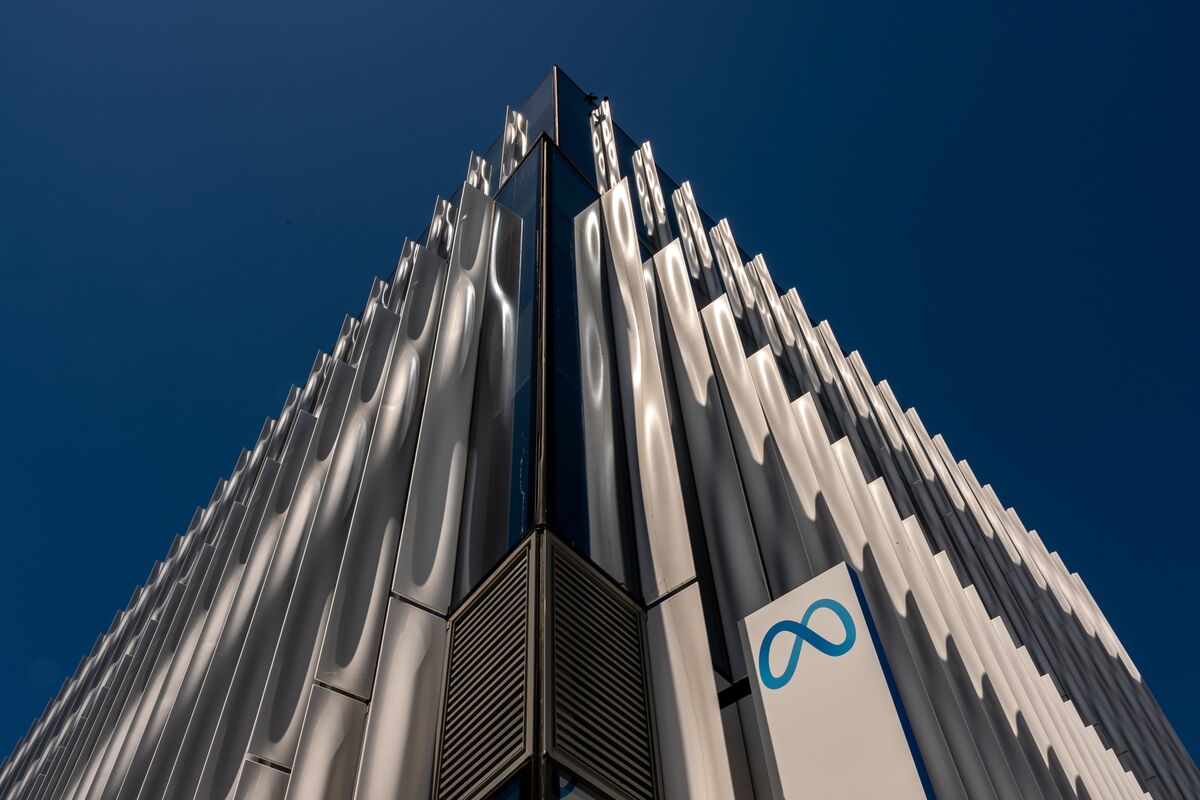
Meta Platforms has reportedly become one of Microsoft’s largest AI customers. The development suggests that demand for emerging AI technology remains heavily concentrated among major technology companies.
Moonshot and ZAI are reportedly approaching the performance of models from OpenAI and Anthropic. The models can reportedly build passable websites at a cost 75% lower than Claude, highlighting potential advantages in cost-sensitive coding workflows.
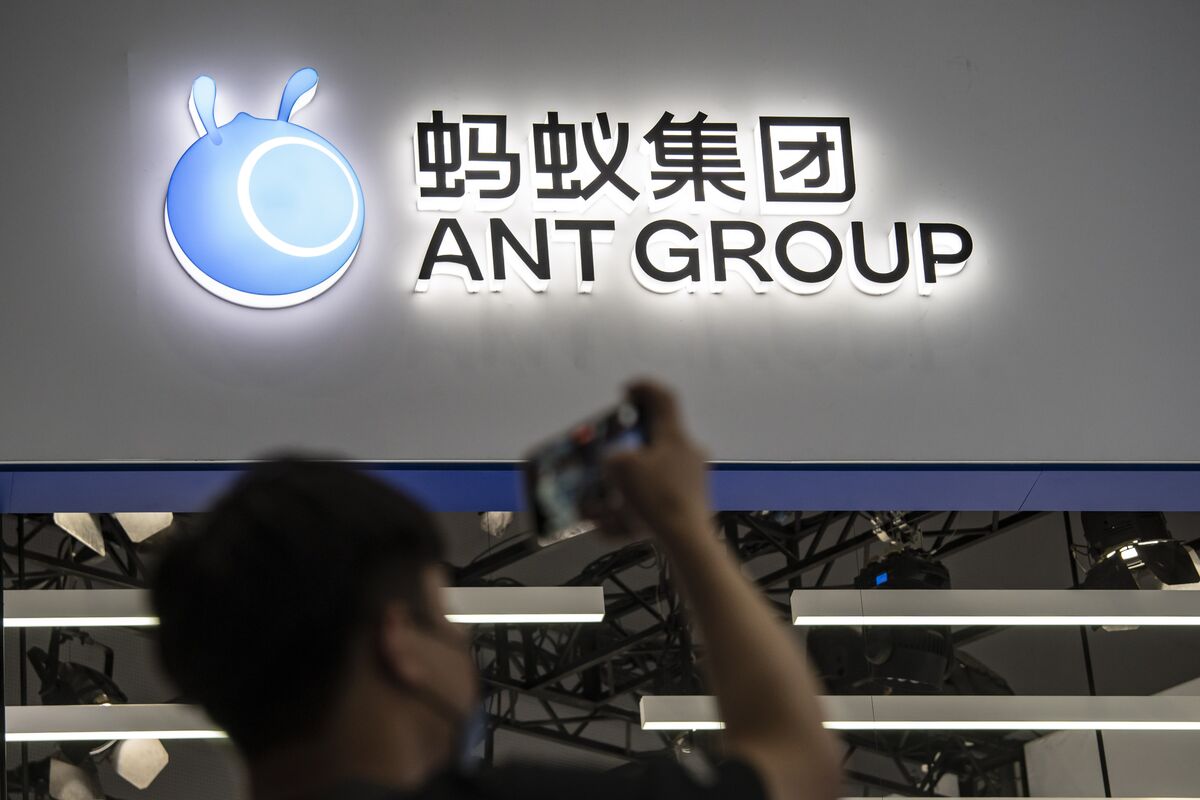
Ant Group’s quarterly profit barely grew after the company increased spending on artificial intelligence. The investments target healthcare, large language models, and payment services, while expansion costs also pressured results.

Claude is expanding into protein design, adding a scientific research capability to its existing AI portfolio. The update suggests potential use in computational biology and biotech workflows, though the article excerpt does not provide implementation or benchmark details.