
Taiwan Plans a $314 AI Dividend
Taiwan plans to give each resident roughly $314 in cash next year, funded by stronger economic activity linked to the AI server boom. The 2027 central government budget allocates $7.4 billion for the payout.
10 results on this page
Taiwan plans to give each resident roughly $314 in cash next year, funded by stronger economic activity linked to the AI server boom. The 2027 central government budget allocates $7.4 billion for the payout.
Anthropic has launched Claude Academy, a free official learning site covering AI fundamentals and Claude-related products. The site provides service-specific guidance for tools such as Claude Code and Cowork.
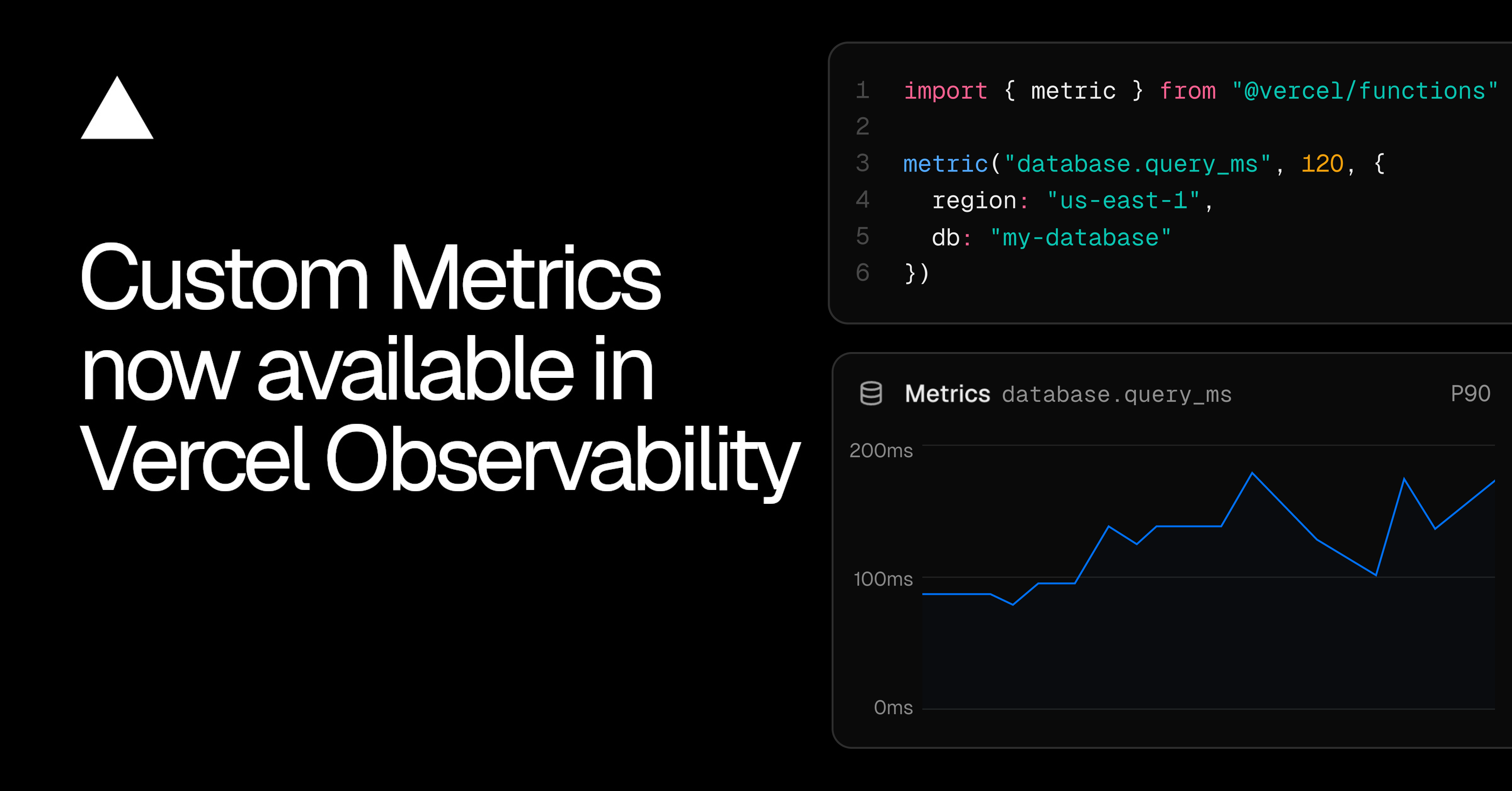
Vercel Functions can now emit custom metrics and analyze them alongside built-in observability data. Developers can filter, aggregate, visualize, and query these metrics across Vercel Observability.

Google's AI Professional Certificate covers AI fundamentals, data analysis, and app building. The article highlights a way for learners to earn the credential without paying.
Smart bed prices are falling sharply, with many online products now priced at RMB 3,000–4,000 and flagship sets below RMB 10,000. Falling component costs, domestic supply chains, stronger demand, and simplified product configurations are accelerating adoption, while inaccurate sensing and weak adaptive functions remain key concerns.
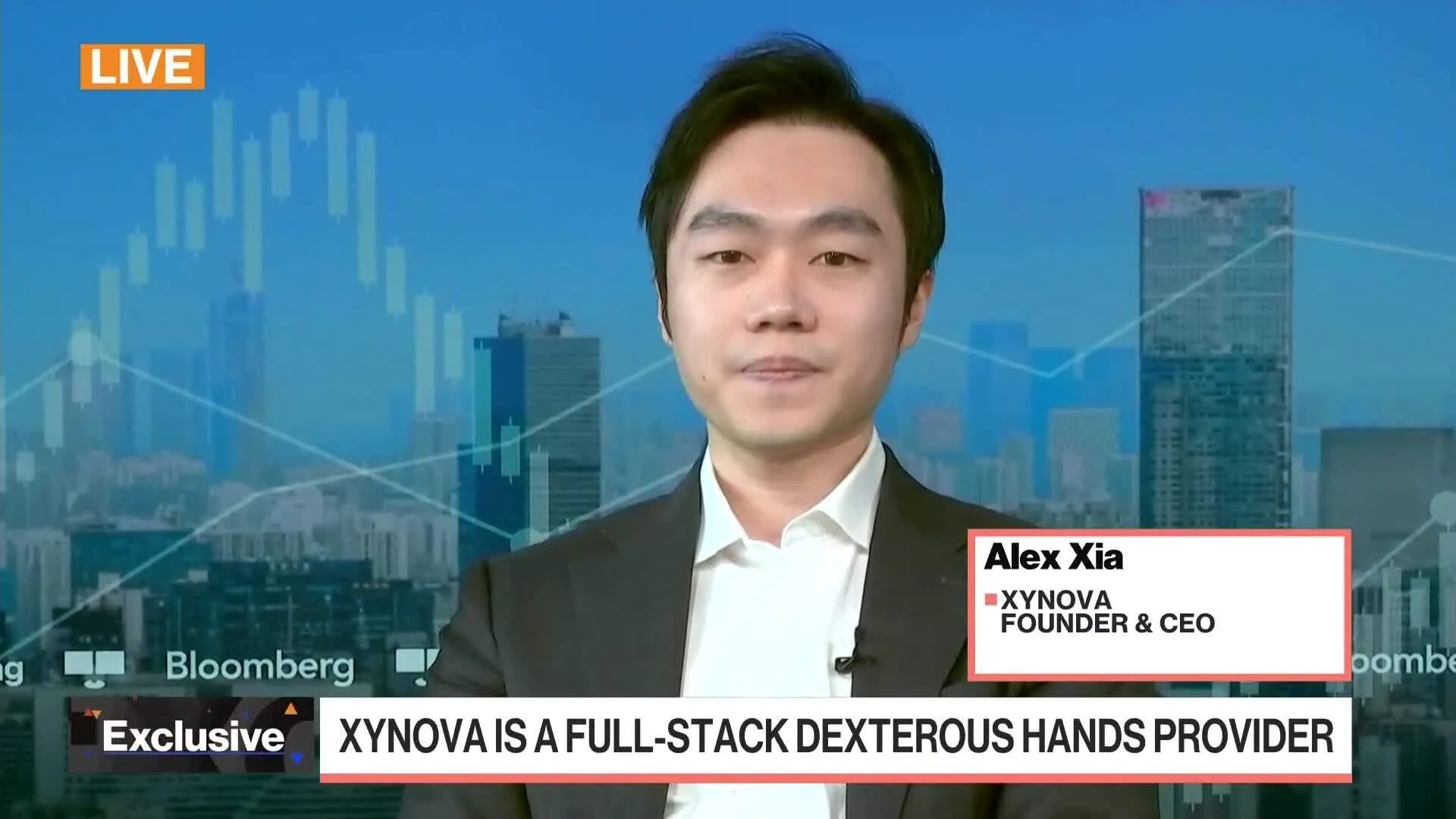
Xynova CEO Alex Xia discusses the company’s work on human-like robot hands, along with innovation challenges and industry bottlenecks. He also outlines the company’s fundraising plans in an interview with Bloomberg Technology.

Vercel Functions now support Bun 1.4, a major rewrite from Zig to Rust with over 2,900 issues resolved and more than 1,500 additional Node.js compatibility tests passing. The upgrade is opt-in and includes breaking changes that developers should review before deployment.

ICE has prohibited employees from using Meta smart glasses in federal workplaces because of privacy concerns. The move contrasts with DHS efforts to secure funding for purpose-built smart glasses that may support biometric identification during immigration enforcement.
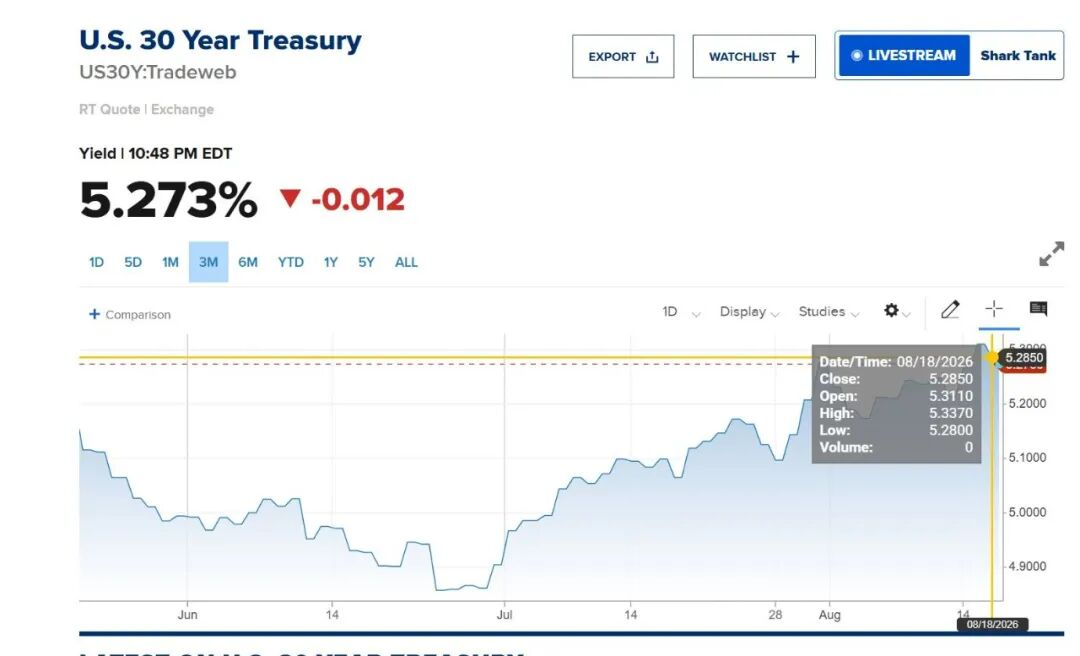
The U.S. government and major AI companies are competing for bond-market capital as federal debt approaches $40 trillion and AI infrastructure financing accelerates. Rising long-term Treasury yields could increase data-center funding costs, pressure AI investment returns, and force a repricing of high-growth technology stocks.
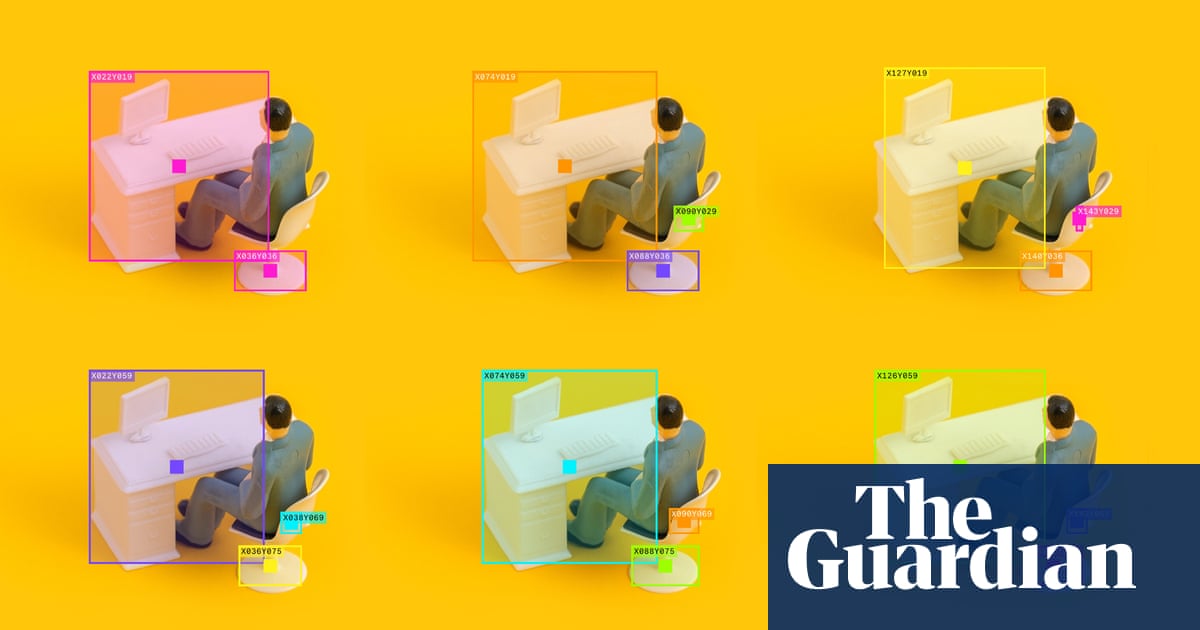
Lawsuits over automated hiring systems are challenging how companies use AI to screen and rank job applicants. A class action against Eightfold AI argues that its applicant-ranking system may function as an undisclosed consumer report without allowing candidates to review or contest the results.