⚙️
Cloudflare Previews Automatic WebMCP Support
Cloudflare is previewing a feature that automatically adds WebMCP support to webpages. The update could simplify how developers make web experiences accessible to AI agents.
10 results on this page
Cloudflare is previewing a feature that automatically adds WebMCP support to webpages. The update could simplify how developers make web experiences accessible to AI agents.
LangSmith Preview Builds allow teams to test pull request branches in temporary, production-like deployments before merging agent changes. This gives developers a safer way to validate behavior without affecting the main production environment.
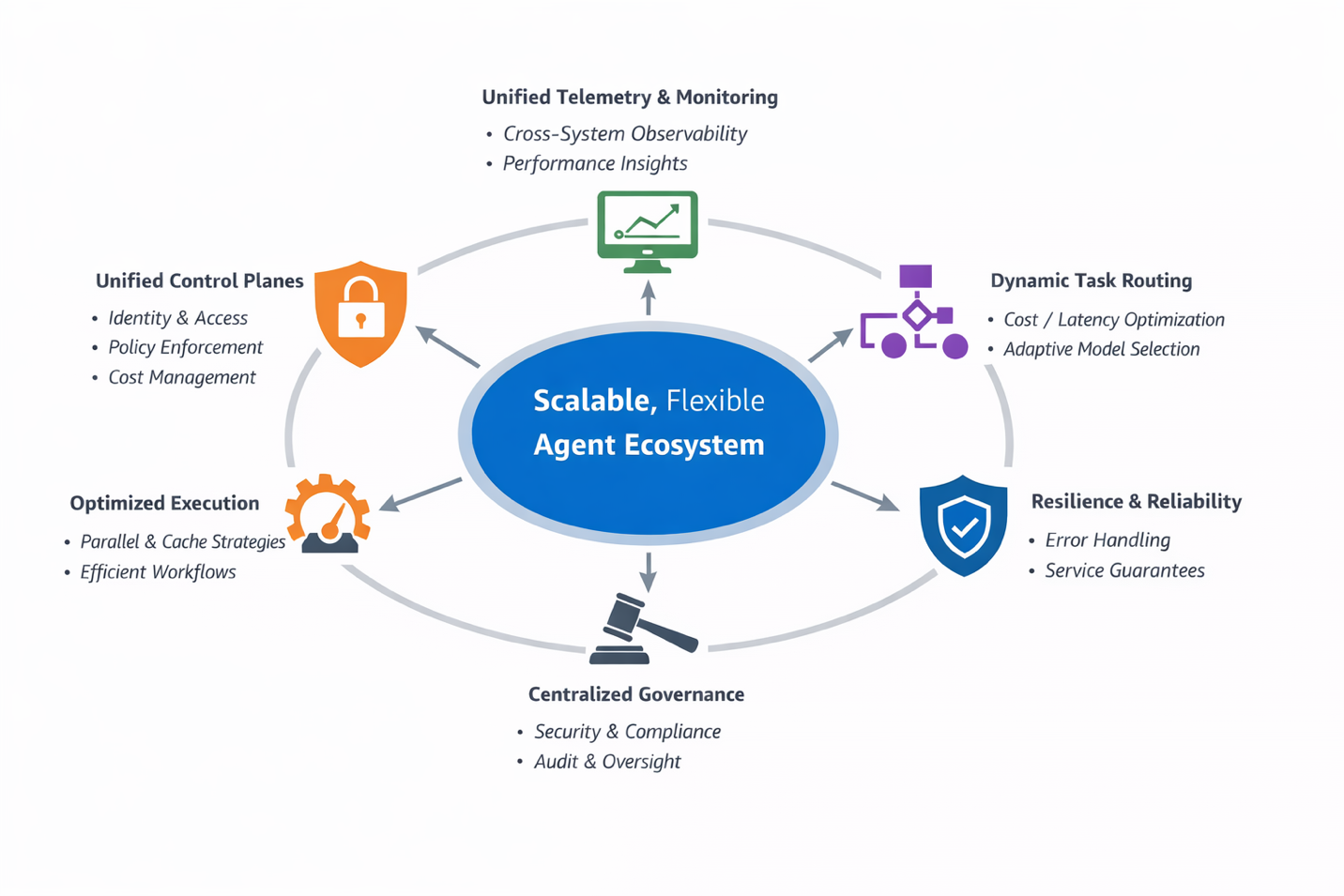
AWS outlines enterprise patterns for operating many agentic AI systems across diverse frameworks, models, and providers. The guidance focuses on preserving flexibility and enabling multi-agent systems to scale together without vendor lock-in.
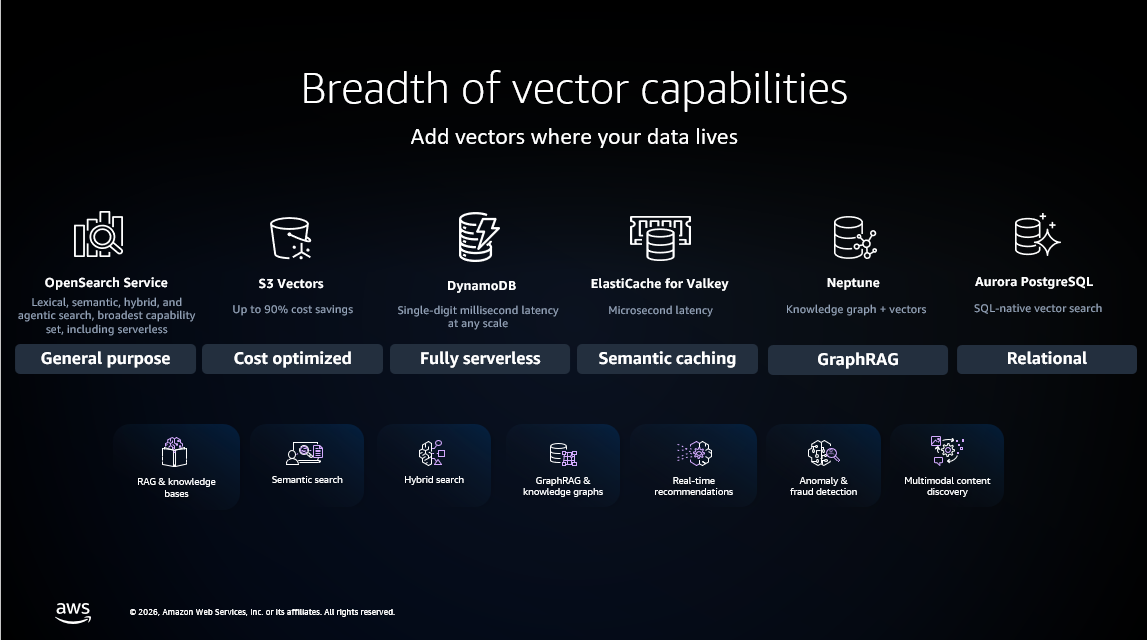
AWS presents its portfolio of vector search capabilities embedded in existing databases and storage services, eliminating the need for a standalone vector database or data migration. The post compares six purpose-built services and provides a framework for selecting the right vector engine.

Slack Code now lets developers bring AI coding agents into a shared Slack group chat, allowing teammates to participate in the interaction. The update shifts coding-agent use from a private developer workflow toward collaborative team review and discussion.

An independent builder pretrained a 1.02-billion-parameter Kimi-K3 replica on 5 billion decontaminated tokens for roughly $250. The model achieved 33.4% on HellaSwag, exceeding the reported 28% score of GPT-2 124M despite receiving no instruction tuning.

Binance’s Agent OS allows AI agents to execute trades through tools such as ChatGPT, Claude Code, and Cursor. However, users remain largely responsible for configuring permissions and controlling the agents’ behavior.

ByteDance's Coze launched a desktop client with cloud-drive integration and deep screenshot capabilities. The client improves local file access and automatically recognizes Codex CLI and Claude Code as agents for multi-agent workflows.

ByteDance’s Seed foundation-model division has reportedly completed another internal restructuring. Its foundation-model organization now includes four first-level departments focused on pretraining data, reinforcement learning, product post-training for work, and product post-training for chat.

This systematic review examines how large language models support mental-health applications, including social-media analysis, clinical conversational agents, therapy support, and psychoeducation. It also covers multimodal diagnosis, prompt engineering, interpretability, and the ethical and regulatory safeguards needed for responsible deployment.