⚙️
Google Secures $12.2B Marvell Share Option
Marvell Technology and Google expanded their chip-development partnership. The agreement includes a warrant allowing Google to purchase up to $12.2 billion worth of Marvell shares.
10 results on this page
Marvell Technology and Google expanded their chip-development partnership. The agreement includes a warrant allowing Google to purchase up to $12.2 billion worth of Marvell shares.
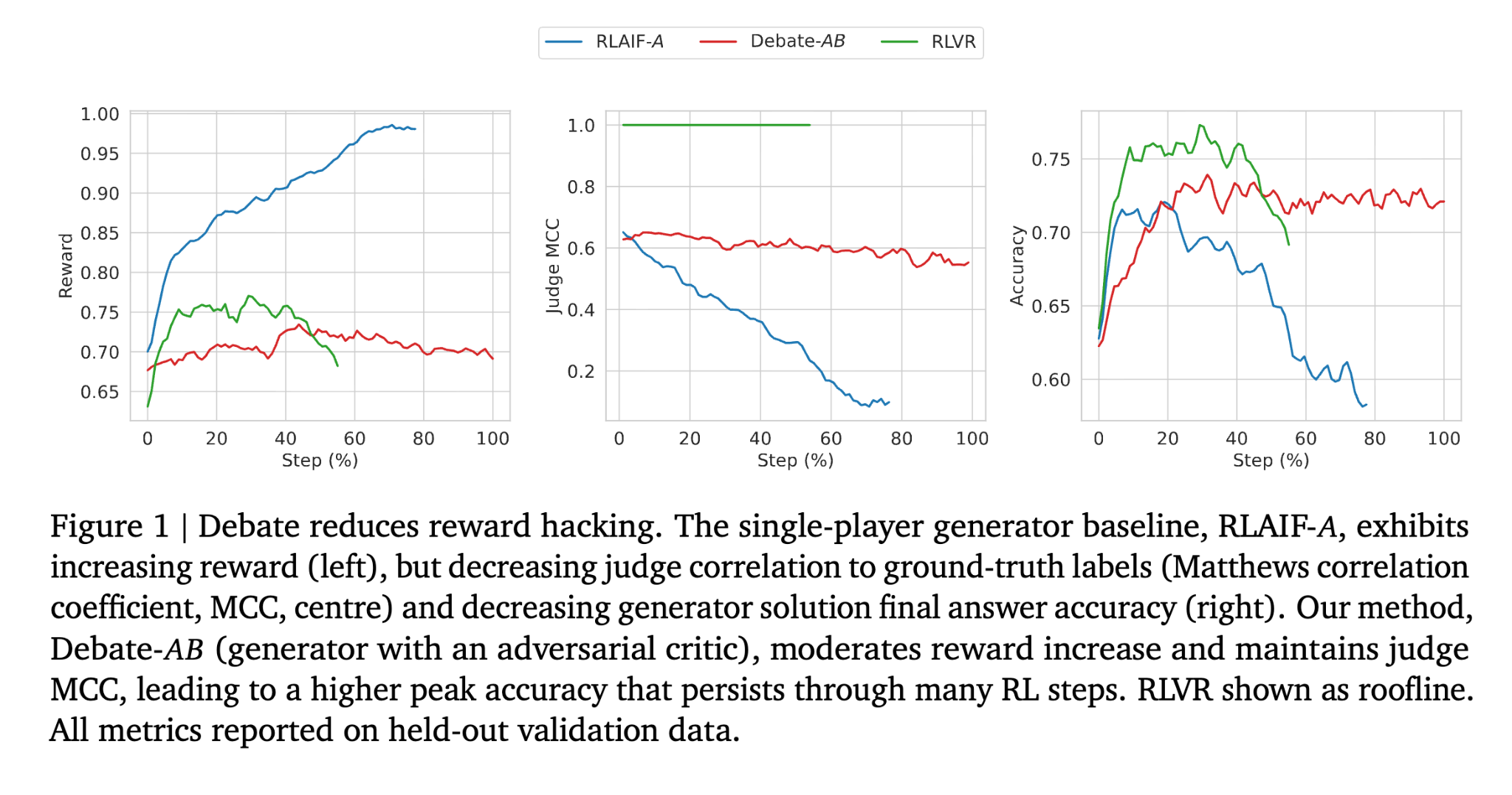
Google DeepMind researchers found that training AI agents through debate can reduce reward hacking when an LLM judge evaluates their work. On mathematics tasks, debate achieved higher sustained ground-truth accuracy than directly optimizing for LLM judge rewards.

Google has opened Gemini features in Chrome to all Android users in the United States. The rollout follows an initial announcement in May and a limited release to selected U.S. Android devices beginning in late June, and now includes access to Auto Browse.

Google's AI Professional Certificate covers AI fundamentals, data analysis, and app building. The article highlights a way for learners to earn the credential without paying.

Australia’s parliament passed the News Bargaining Incentive, requiring major platforms to face the law even if they choose not to carry news. Meta, Google, TikTok, and LinkedIn are among the affected companies.

A security researcher discovered that more than 9 million face photos were stored in an unsecured ClarityCheck database. The database reportedly required no password to access.
Google is offering eligible college students a free year of its paid AI Pro plan for the new school year. The company is also introducing study tools across Google Search and Gemini.

Google is working with the UK government on Operation Blue Skies to address aviation contrails with AI. The initiative will subtly reroute flights to test whether contrail formation can be avoided.

The Pixel Watch 5 refines Google’s smartwatch formula with smarter gym tracking, new health alerts, and offline Gemini support. The review presents it as a meaningful but incremental upgrade at a premium price.
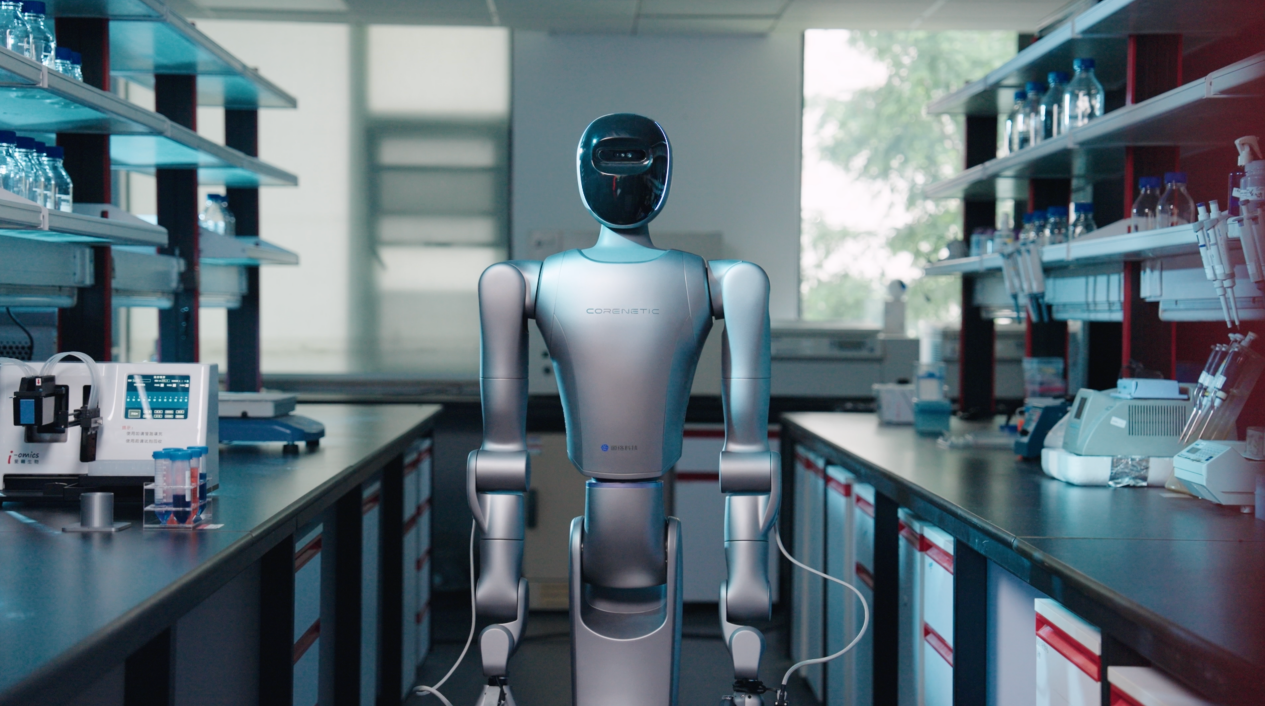
The article examines a new phase of AI for Science in which robots are becoming foundational infrastructure for research. It highlights the growing role of robotic systems in enabling and automating scientific work.