⚙️
CXMT Listing Fuels China’s AI Hardware Momentum
CXMT Corp.’s breakout listing has boosted optimism across China’s domestic AI hardware sector. The momentum supports China’s broader ambition to compete with the US in AI development.
10 results on this page
CXMT Corp.’s breakout listing has boosted optimism across China’s domestic AI hardware sector. The momentum supports China’s broader ambition to compete with the US in AI development.
China has approved five automotive-chip certification and accreditation standards built around a “1+4” framework, effective October 1, 2026. The standards aim to unify evaluations for chip design, certification, testing, and automotive computing, reducing duplicated validation and improving trust in domestic suppliers.
Korean semiconductor equipment makers Wonik Engineering and PSK reportedly saw their China revenue fall by more than 40% in 2025. The decline is linked to CXMT’s slower investment pace and the acceleration of domestic semiconductor equipment substitution in China.
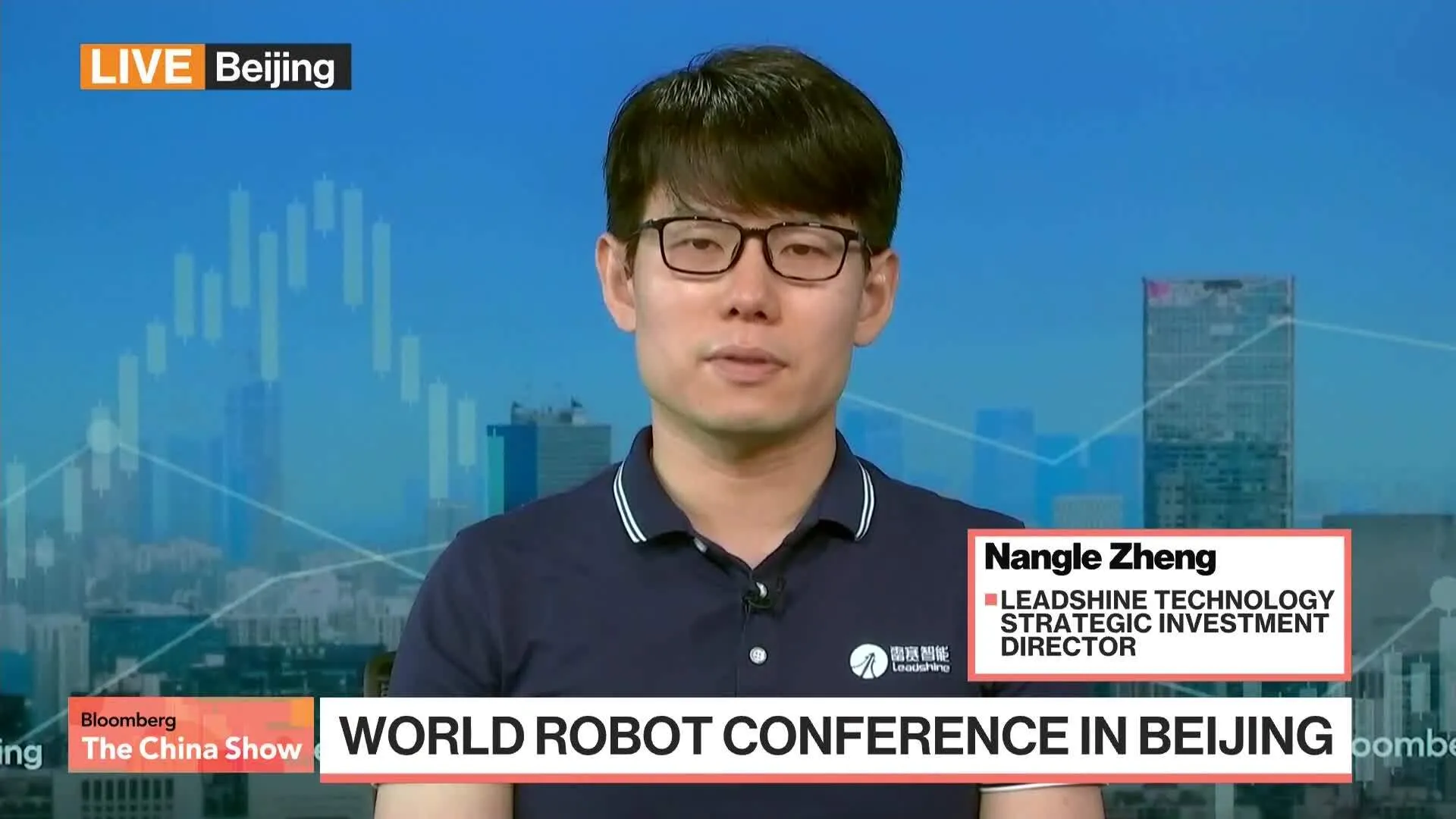
LeadShine Technology Strategic Investment Director Nangle Zheng says China has reduced humanoid robot development cycles from years to months. He discusses the role of China’s robotics supply chain in an interview with Bloomberg Technology.

Google reportedly plans to move all Pixel manufacturing out of China by 2027, as rising component and trade costs put pressure on future devices. The shift could help reduce cost volatility and give future Pixel models more pricing flexibility.
SMIC reported its first $3 billion quarter, with revenue rising 36.1% year over year and net profit nearly tripling to $479.2 million. The Chinese foundry is also raising wafer prices as US sanctions strengthen demand from China’s captive AI market.
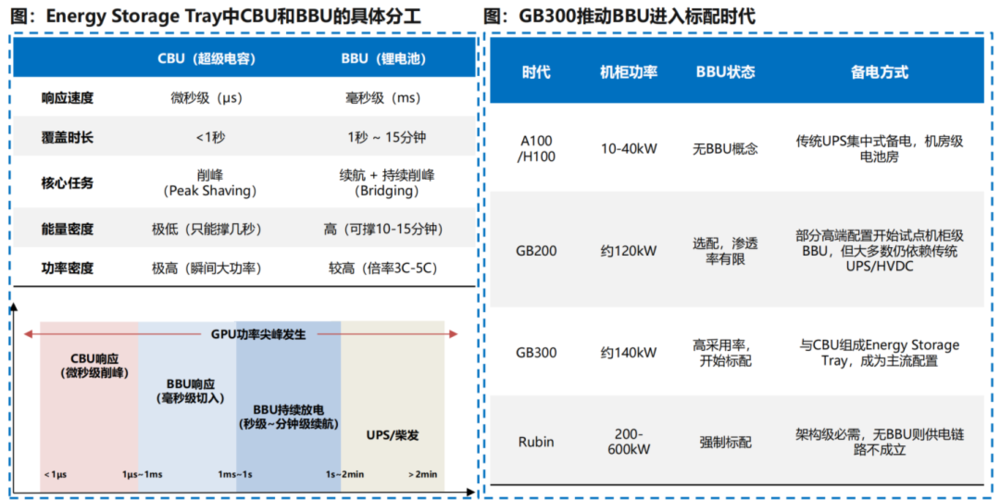
Rising AI server power density is turning cabinet-level Battery Backup Units from an optional component into a required part of data-center power architecture. Global BBU cell shipments reportedly reached about 276 million units in the first half of 2026, intensifying shortages and competition among Asian battery suppliers.

Lightelligence is shifting from computing with light to connecting with light, signaling a more pragmatic focus on photonic interconnects. Despite strong investor enthusiasm following a 383.62% first-day stock surge in Hong Kong, the company faces concentrated customers, slow receivables, declining margins, and supply-chain risks.
Several Chinese listed companies that announced large AI compute service agreements are now facing cancellations, weak execution, and regulatory scrutiny. The article explains why framework agreements often fail to become real revenue, highlighting customer verification, GPU delivery, payment terms, and termination clauses.
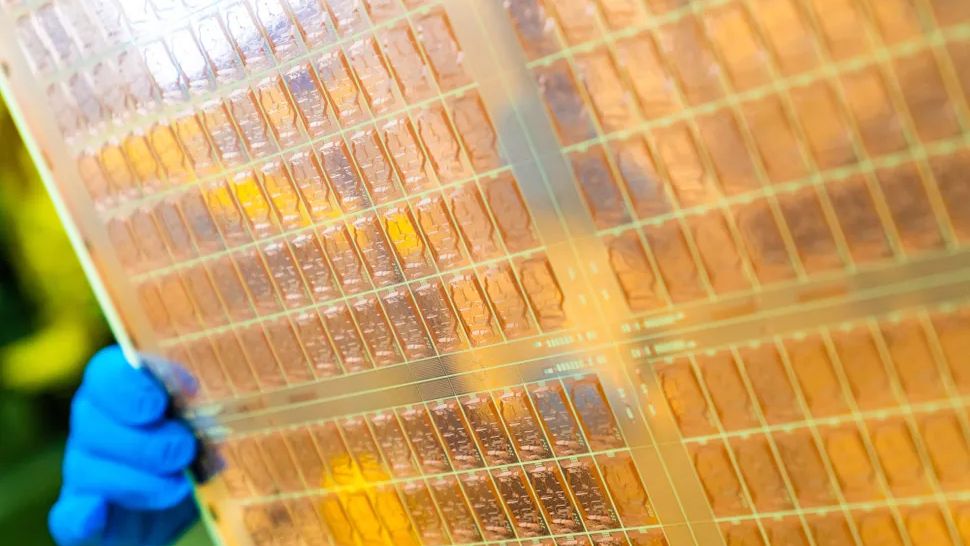
Japanese chemical maker Ajinomoto has reportedly told mainland Chinese customers it will reduce supplies of ABF, a critical chip-packaging film, by 30%. Chinese producers are racing to qualify domestic substitutes following Beijing’s rare-earth export restrictions.