Ajinomoto Reportedly Cuts China’s ABF Supply
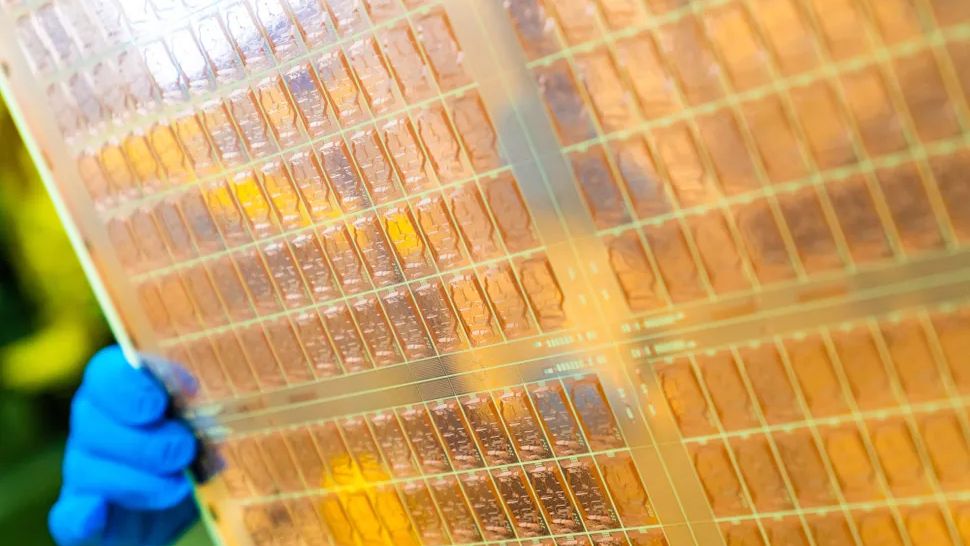
💡ABF restrictions could become a hidden bottleneck for AI accelerator packaging and delivery schedules.
⚡ 30-Second TL;DR
What Changed
Ajinomoto reportedly plans a 30% reduction in ABF supply to mainland China.
Why It Matters
A tighter ABF supply could add pressure to advanced-chip packaging capacity and increase procurement risk for AI accelerator supply chains. If domestic substitutes qualify successfully, China could reduce dependence on Japanese packaging-material suppliers over time.
What To Do Next
Ask your AI hardware suppliers for ABF inventory coverage, approved substitute materials, and qualification timelines before committing to accelerator deployment schedules.
Key Points
- •Ajinomoto reportedly plans a 30% reduction in ABF supply to mainland China.
- •ABF is a critical film material used in chip packaging.
- •Domestic Chinese substitutes are being qualified amid rare-earth export restrictions.
🧠 Deep Insight
AI-generated analysis for this event.
🔑 Enhanced Key Takeaways
- •Ajinomoto Build-Up Film (ABF) holds a near-monopoly in the high-end semiconductor packaging market, with Ajinomoto Co. Inc. controlling over 90% of the global supply for advanced substrates.
- •The supply reduction is reportedly linked to geopolitical tensions and Ajinomoto's strategic realignment to prioritize capacity for major global clients like TSMC, NVIDIA, and Intel amid surging AI chip demand.
- •Chinese substrate manufacturers, including companies like Shennan Circuits and Kinwong Electronic, have been aggressively investing in R&D to develop 'ABF-like' films to mitigate supply chain dependency.
- •The restriction on ABF supply is expected to disproportionately impact Chinese domestic AI accelerator and high-performance computing (HPC) chip production, which rely heavily on advanced flip-chip ball grid array (FC-BGA) packaging.
- •Industry analysts suggest that the 30% cut may be a preemptive measure by Ajinomoto to comply with tightening Japanese export controls on semiconductor-related materials to China.
🛠️ Technical Deep Dive
- ABF is a thermosetting resin film used as an insulating layer in the build-up process of high-density interconnect (HDI) substrates.
- The material is essential for fine-pitch circuit formation, allowing for the high-density wiring required by modern CPUs, GPUs, and AI accelerators.
- Unlike liquid polyimide, ABF is applied as a dry film, which significantly reduces the number of processing steps and improves yield for multi-layer substrates.
- The film's low dielectric constant and low dissipation factor are critical for maintaining signal integrity in high-speed data transmission environments.
- Qualification of domestic Chinese substitutes faces significant hurdles due to the proprietary chemical composition and the stringent thermal expansion coefficient (CTE) matching required for advanced silicon dies.
🔮 Future ImplicationsAI analysis grounded in cited sources
⏳ Timeline
Weekly AI Recap
Read this week's curated digest of top AI events →
👉Related Updates



AI-curated news aggregator. All content rights belong to original publishers.
Original source: Tom's Hardware ↗