💰钛媒体•較早收集於 3h
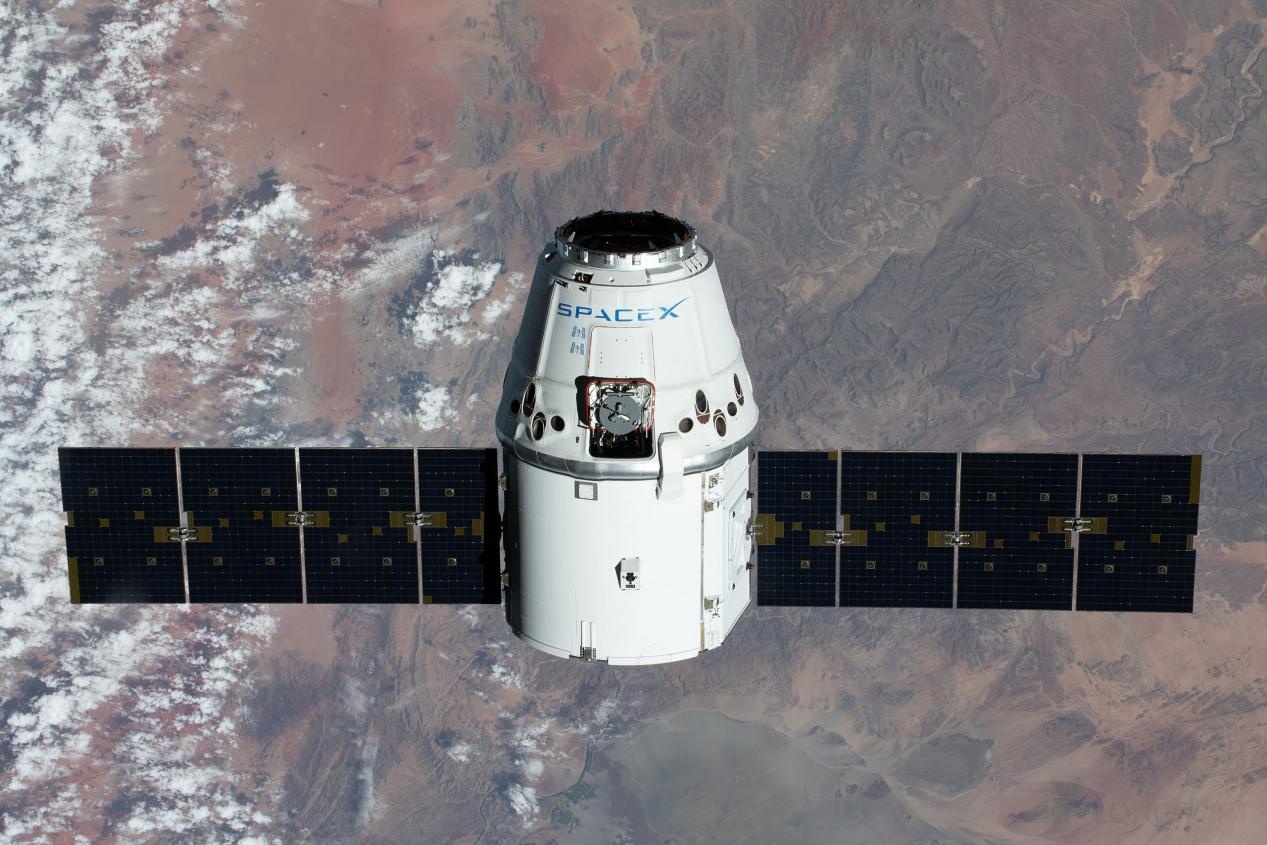
馬斯克再甩「王炸」:SpaceX 真能重塑「太空經濟學」?
#space-computing#musk-strategy#economicsspacexspacexmusk
💡Musk's space compute vision may solve AI's earthly data center bottlenecks
⚡ 30-Second TL;DR
有什麼變化
馬斯克推出名為「王炸」的 SpaceX 大膽策略
為什麼重要
太空算力可擴展 AI 基礎設施選項,超越地球限制,降低能源成本並實現大規模模型訓練。
下一步行動
Explore Starlink APIs for hybrid space-ground AI compute prototypes.
誰應關注:Founders & Product Leaders
關鍵要點
- •馬斯克推出名為「王炸」的 SpaceX 大膽策略
- •目標重塑整個太空經濟格局
- •關鍵問題:馬斯克太空算力雄心的可行性
🧠 深度解析
背景與延伸:來自公開資料,非原文內容。引用 4 個來源。
🔑 增強重點摘要
- •SpaceX's 2026 revenue is projected to reach $23.8 billion with a 53% growth rate, driven primarily by Starlink's commercial expansion to $18.7 billion (79% of total revenue), marking a fundamental shift from government contracting to commercial infrastructure dominance[1]
- •SpaceX is planning an Initial Public Offering near June 2026 (close to Elon Musk's 55th birthday) with potential valuation exceeding $1.5 trillion and fundraising above $50 billion, positioning the company as a publicly traded infrastructure giant[1]
- •China has filed for approximately 203,000 satellites with the International Telecommunication Union as of December 2025, using regulatory filings as a strategic counter to SpaceX's first-mover advantage in low Earth orbit through state-supported distributed manufacturing across specialized firms[2]
- •SpaceX's vertical integration model (combining rocket manufacturing, satellite design, and user terminals) contrasts with China's distributed state-supported approach, creating fundamentally different industrial strategies for mega-constellation deployment[2]
- •The commercial space economy is now generating revenues that could exceed NASA's entire annual budget, signaling a paradigm shift from government-led space programs to private commercial infrastructure as the foundation of orbital economies[1]
📊 競品分析▸ Show
| Aspect | SpaceX/Starlink | Chinese Constellation (Guowang/G60) | Key Difference |
|---|---|---|---|
| Manufacturing Model | Vertical integration (single firm) | Distributed state-supported (multiple state-owned/private firms) | Speed vs. scale concentration |
| Regulatory Strategy | First-mover advantage in ITU filings | Massive filings (203,000 satellites as of Dec 2025) | Proactive vs. reactive orbital governance |
| 2026 Revenue Projection | $23.8B (Starlink: $18.7B) | Not publicly disclosed | Commercial maturity advantage |
| Deployment Timeline | Operational constellation | 7-year ITU deployment window (by 2032) | Near-term dominance vs. future challenge |
🔮 前景展望AI analysis grounded in cited sources
LEO orbital balance will shift by 2032 if Chinese firms successfully manufacture and deploy mega-constellations within the ITU deployment window
China's filing of 203,000 satellites represents a structural challenge to SpaceX's current dominance, contingent on manufacturing capacity and state resource concentration[2]
Public equity markets will establish valuation benchmarks for commercial space infrastructure following SpaceX's IPO in mid-2026
The IPO will create the first hard valuation precedent for the entire commercial space sector, influencing capital allocation across the industry[1]
Orbital governance will transition from commercial-first to state-critical-infrastructure frameworks as geopolitical competition intensifies
China's regulatory flooding strategy using EPFD limits signals a shift from purely commercial exploitation toward state-defined orbital resource allocation[2]
⏳ 時間線
2025-12
China submits filings for approximately 203,000 satellites to the ITU, marking a major regulatory challenge to SpaceX's orbital dominance
2026-02
SpaceX projects $23.8 billion annual revenue with Starlink accounting for 79% of sales, signaling commercial space economy maturation
2026-06
SpaceX IPO planned near Elon Musk's 55th birthday, targeting valuation exceeding $1.5 trillion and fundraising above $50 billion
📎 來源 (4)
Factual claims are grounded in the sources below. Forward-looking analysis is AI-generated interpretation.
- ainvest.com — Spacex 2026 Government Contractor Commercial Infrastructure Giant 2602
- news.satnews.com — Geopolitical Analysis China Challenges Spacex Dominance with Massive Leo Governance Strategy
- eastasiaforum.org — Starlink China and the Governance of Low Earth Orbit
- 3dvf.com — Pentagon on High Alert China Secretly Attempting to Take Over Spacex
📰
AI 週報
閱讀本週精選 AI 大事摘要 →
👉相關動態


AI 策展新聞聚合。所有內容版權歸原始發布者所有。
原始來源: 钛媒体 ↗
每週 AI 簡報
每週一封,可隨時退訂。