Musk's SpaceX Trump Card Reshapes Space Economics?
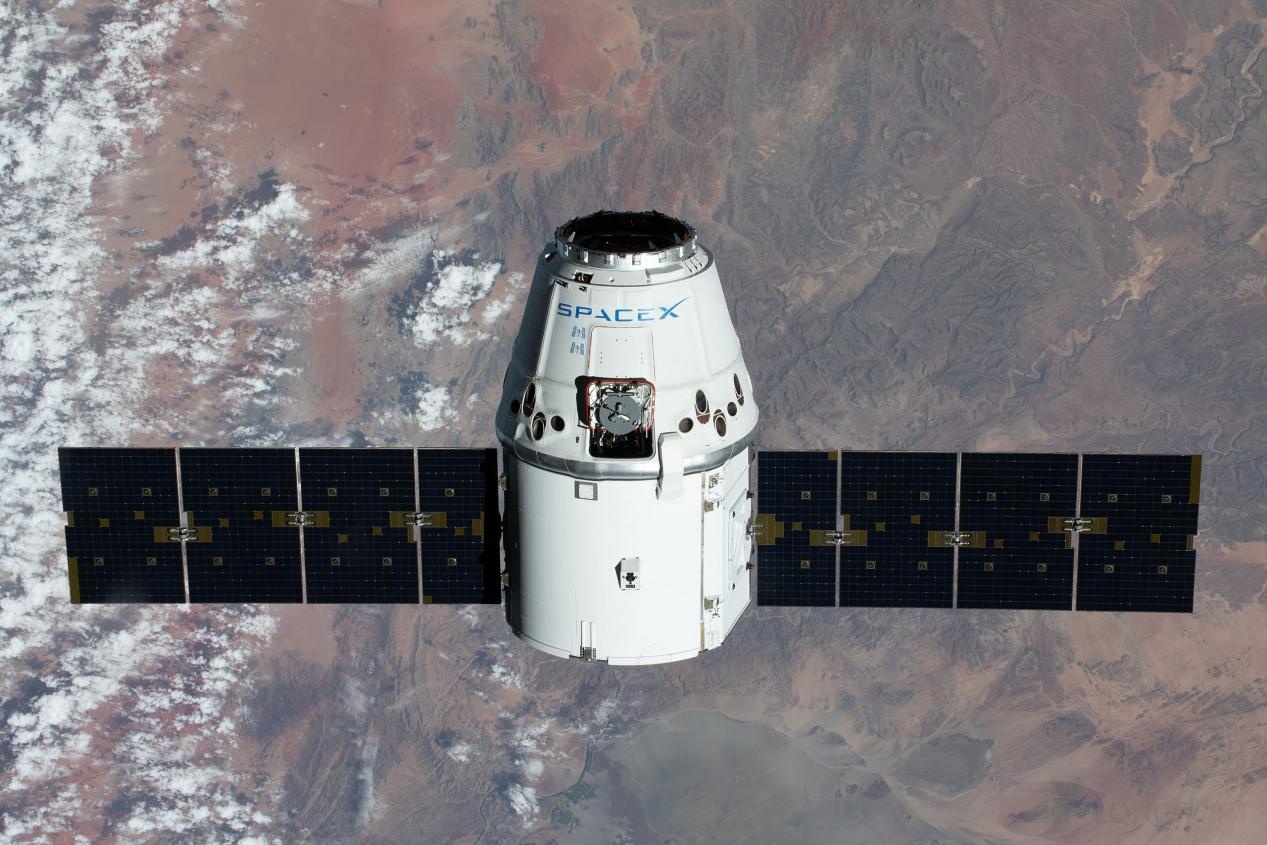
💡Musk's space compute vision may solve AI's earthly data center bottlenecks
⚡ 30-Second TL;DR
What Changed
Musk deploys bold SpaceX strategy dubbed 'wang zha'
Why It Matters
Space-based computing could expand AI infrastructure options beyond Earth constraints, reducing energy costs and enabling massive scale-ups for training large models.
What To Do Next
Explore Starlink APIs for hybrid space-ground AI compute prototypes.
Key Points
- •Musk deploys bold SpaceX strategy dubbed 'wang zha'
- •Targets reshaping entire space economics landscape
- •Key question: viability of Musk's space computing ambitions
🧠 Deep Insight
Background and context from public sources — not the original article. 4 sources cited.
🔑 Enhanced Key Takeaways
- •SpaceX's 2026 revenue is projected to reach $23.8 billion with a 53% growth rate, driven primarily by Starlink's commercial expansion to $18.7 billion (79% of total revenue), marking a fundamental shift from government contracting to commercial infrastructure dominance[1]
- •SpaceX is planning an Initial Public Offering near June 2026 (close to Elon Musk's 55th birthday) with potential valuation exceeding $1.5 trillion and fundraising above $50 billion, positioning the company as a publicly traded infrastructure giant[1]
- •China has filed for approximately 203,000 satellites with the International Telecommunication Union as of December 2025, using regulatory filings as a strategic counter to SpaceX's first-mover advantage in low Earth orbit through state-supported distributed manufacturing across specialized firms[2]
- •SpaceX's vertical integration model (combining rocket manufacturing, satellite design, and user terminals) contrasts with China's distributed state-supported approach, creating fundamentally different industrial strategies for mega-constellation deployment[2]
- •The commercial space economy is now generating revenues that could exceed NASA's entire annual budget, signaling a paradigm shift from government-led space programs to private commercial infrastructure as the foundation of orbital economies[1]
📊 Competitor Analysis▸ Show
| Aspect | SpaceX/Starlink | Chinese Constellation (Guowang/G60) | Key Difference |
|---|---|---|---|
| Manufacturing Model | Vertical integration (single firm) | Distributed state-supported (multiple state-owned/private firms) | Speed vs. scale concentration |
| Regulatory Strategy | First-mover advantage in ITU filings | Massive filings (203,000 satellites as of Dec 2025) | Proactive vs. reactive orbital governance |
| 2026 Revenue Projection | $23.8B (Starlink: $18.7B) | Not publicly disclosed | Commercial maturity advantage |
| Deployment Timeline | Operational constellation | 7-year ITU deployment window (by 2032) | Near-term dominance vs. future challenge |
🔮 Future ImplicationsAI analysis grounded in cited sources
⏳ Timeline
📎 Sources (4)
Factual claims are grounded in the sources below. Forward-looking analysis is AI-generated interpretation.
- ainvest.com — Spacex 2026 Government Contractor Commercial Infrastructure Giant 2602
- news.satnews.com — Geopolitical Analysis China Challenges Spacex Dominance with Massive Leo Governance Strategy
- eastasiaforum.org — Starlink China and the Governance of Low Earth Orbit
- 3dvf.com — Pentagon on High Alert China Secretly Attempting to Take Over Spacex
Weekly AI Recap
Read this week's curated digest of top AI events →
👉Related Updates
AI-curated news aggregator. All content rights belong to original publishers.
Original source: 钛媒体 ↗
This is a summary, not the original. Read the source, or get the weekly briefing.
Weekly AI briefing
One email a week. Unsubscribe anytime.