來源虎嗅•較早收集於 7m
厭聲症:一門尚未被正式確診的「疾病」
#neuroscience#accessibility#audio-processingmisophonia-(厌声症)icd-11dsm-5-tr
💡理解感官處理障礙對於開發具備包容性的音訊與人機互動 AI 至關重要。
⚡ 30 秒速覽
有什麼變化
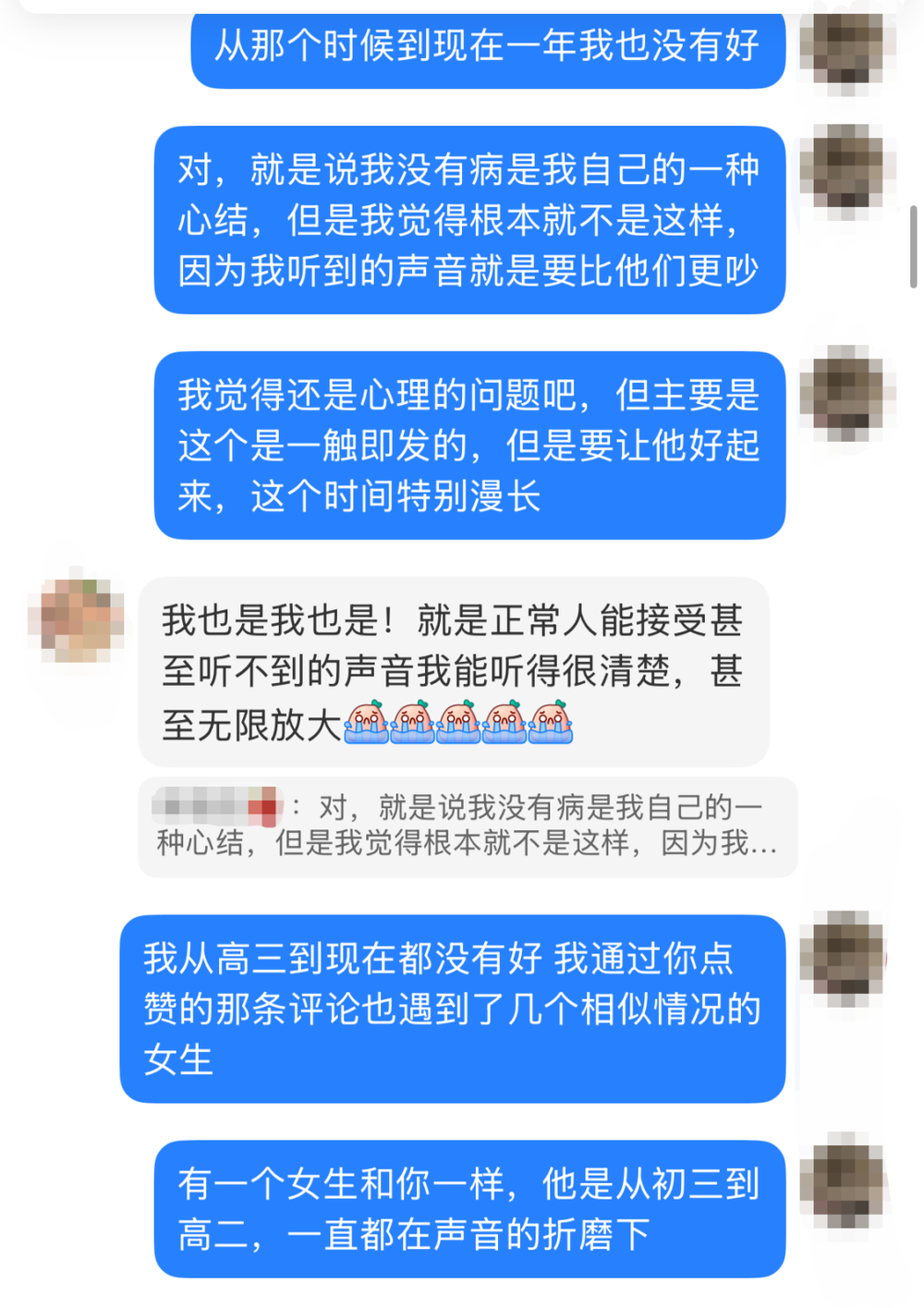
厭聲症患者對特定觸發聲音會產生強烈的負面情緒與生理反應。
為什麼重要
若能被正式列為臨床疾病,將有助於標準化治療流程並改善患者的醫療保險覆蓋範圍。
下一步行動
若開發音訊處理 AI,請加入「厭聲症友善」的雜訊過濾功能,以提升產品的可訪問性。
誰應關注:Researchers & Academics
關鍵要點
- •厭聲症患者對特定觸發聲音會產生強烈的負面情緒與生理反應。
- •目前尚未被納入 ICD-11 或 DSM-5-TR,導致診斷困難。
- •研究學者如 Arjan Schröder 倡導將其視為獨立的精神疾病。
- •治療策略側重於認知、行為與注意力調節模組。
🧠 深度解析
本篇為 AI 生成分析,非原文內容。
🔑 增強重點摘要
- •Recent neuroimaging studies indicate that misophonia is associated with hyperconnectivity between the auditory cortex and the anterior insular cortex, a region involved in emotional processing.
- •The Amsterdam Misophonia Scale (A-MISO-S) has emerged as a primary tool for clinicians to quantify the severity of symptoms, despite the lack of formal diagnostic criteria.
- •Research suggests a potential genetic component, with studies identifying familial clustering in individuals reporting severe misophonic reactions.
- •Misophonia is increasingly being distinguished from phonophobia (fear of sound) and hyperacusis (decreased tolerance to sound intensity) through specific physiological markers and trigger-specificity.
- •The condition is frequently comorbid with other neurodivergent profiles, including ADHD and Autism Spectrum Disorder, complicating the isolation of misophonia as a standalone diagnosis.
🛠️ 技術深入
- Neuroimaging findings: Functional MRI (fMRI) studies reveal increased activation in the anterior insular cortex (AIC) when subjects are exposed to trigger sounds.
- Connectivity analysis: Resting-state fMRI shows increased functional connectivity between the AIC and the default mode network (DMN), specifically the ventromedial prefrontal cortex.
- Physiological monitoring: Studies utilize skin conductance response (SCR) and heart rate variability (HRV) to measure autonomic nervous system arousal during trigger exposure.
- Diagnostic assessment: The A-MISO-S utilizes a 0-24 point scale measuring duration, frequency, and intensity of reactions to standardize clinical evaluation.
🔮 前景展望基於引用來源的 AI 分析
Misophonia will likely be proposed for inclusion in the next revision of the DSM or ICD as a distinct sensory-processing disorder.
Growing consensus among neuroscientists regarding the unique neural signatures of the condition is building a strong case for formal classification.
Digital therapeutics targeting auditory habituation will become the primary non-pharmacological treatment pathway.
Current clinical trials are increasingly focusing on app-based interventions that utilize sound therapy and cognitive retraining to reduce trigger sensitivity.
⏳ 時間線
2001-01
Term 'misophonia' coined by audiologists Pawel and Margaret Jastreboff.
2013-01
Publication of the first major clinical study characterizing misophonia as a distinct condition.
2017-02
Researchers identify increased anterior insular cortex activation in misophonia patients via fMRI.
2022-01
ICD-11 is released without the inclusion of misophonia, maintaining its status as an unofficial condition.
📰
AI 週報
閱讀本週精選 AI 大事摘要 →
👉相關動態




AI 策展新聞聚合。所有內容版權歸原始發布者所有。
原始來源: 虎嗅 ↗
每週電子報
每週一封,可隨時退訂。