Understanding corpus luteum rupture in clinical diagnosis
💡Essential knowledge for AI developers working on diagnostic tools to improve accuracy in emergency scenarios.
⚡ 30-Second TL;DR
What Changed
Corpus luteum rupture can be life-threatening if internal bleeding is severe.
Why It Matters
Highlights the critical need for precise differential diagnosis in emergency medical AI systems.
What To Do Next
If building medical diagnostic AI, ensure your training data includes nuanced differential diagnosis cases for acute abdominal pain.
Key Points
- •Corpus luteum rupture can be life-threatening if internal bleeding is severe.
- •Symptoms often overlap with appendicitis, gastroenteritis, or ectopic pregnancy, complicating diagnosis.
- •Diagnosis involves blood tests (hCG, progesterone) and imaging (ultrasound, CT/MRI).
🧠 Deep Insight
AI-generated analysis for this event — not the original article.
🔑 Enhanced Key Takeaways
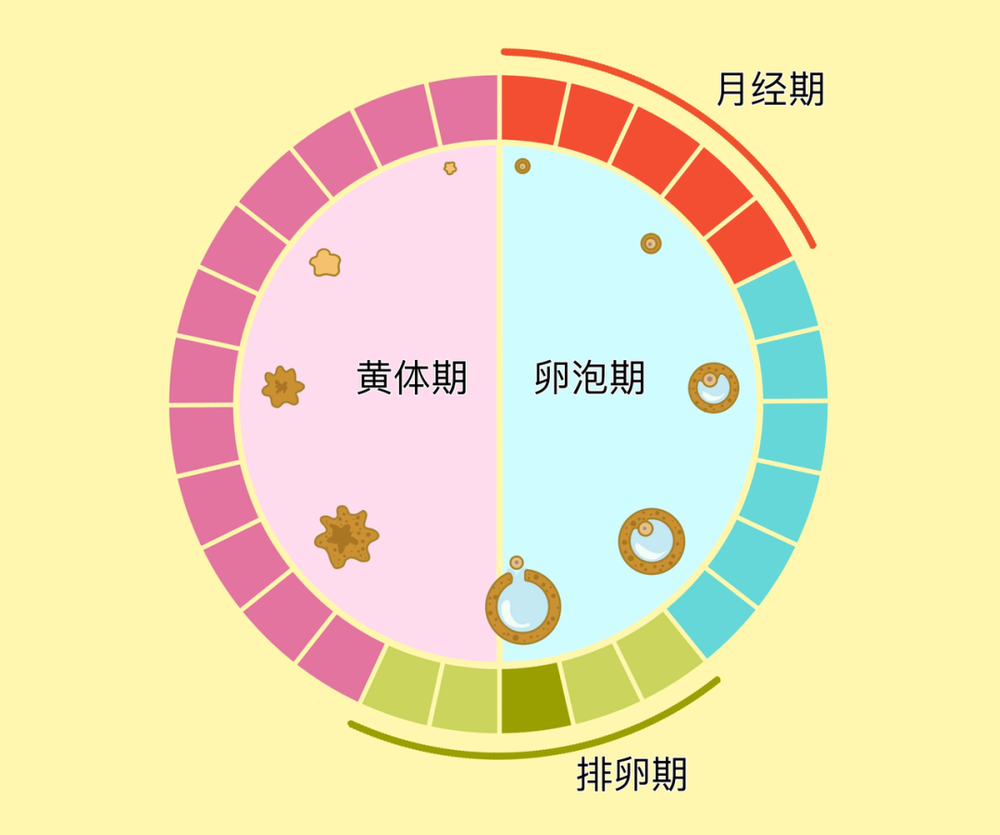
- •Corpus luteum rupture typically occurs during the secretory phase of the menstrual cycle, most frequently between days 20 and 26, due to increased vascularity and fragility of the corpus luteum.
- •The condition is statistically more common in the right ovary, a phenomenon attributed to the lack of a sigmoid colon providing protection and the potential for increased venous pressure in the right ovarian vein.
- •Recent clinical studies indicate that patients taking anticoagulants or those with underlying coagulation disorders are at a significantly higher risk for massive hemoperitoneum following rupture.
- •Laparoscopic surgery has become the gold standard for treatment, offering lower morbidity and faster recovery times compared to traditional laparotomy, especially in hemodynamically stable patients.
- •Differential diagnosis often requires ruling out ovarian torsion, as the clinical presentation of acute pelvic pain and adnexal mass can be nearly identical in imaging studies.
🛠️ Technical Deep Dive
- Diagnostic Imaging Sensitivity: Transvaginal ultrasound (TVUS) remains the primary modality, demonstrating high sensitivity for detecting free fluid in the cul-de-sac, though it cannot always distinguish between hemorrhagic corpus luteum and ectopic pregnancy.
- Hemodynamic Assessment: Clinical grading systems often utilize the shock index (heart rate divided by systolic blood pressure) to determine the urgency of surgical intervention versus conservative management.
- Biochemical Markers: While hCG is used to exclude pregnancy, serial hemoglobin and hematocrit monitoring are critical technical metrics to assess the rate of internal blood loss.
- Surgical Technique: Laparoscopic management typically involves cystectomy or coagulation of the bleeding site, with a focus on ovarian tissue preservation to maintain future fertility.
🔮 Future ImplicationsAI analysis grounded in cited sources
Weekly AI Recap
Read this week's curated digest of top AI events →
👉Related Updates



AI-curated news aggregator. All content rights belong to original publishers.
Original source: 虎嗅 ↗
This is a summary, not the original. Read the source, or get the weekly briefing.
The weekly digest
One email a week. Unsubscribe anytime.