來源虎嗅•較早收集於 21m
Meta 發布 Muse Spark 1.1 並擴大算力部署
#compute-rental#meta-ai#llm-performance#capexmuse-spark-1.1metamuse spark 1.1mtiairisopus 4.8
💡Meta 以高效能低成本模型與大規模基礎設施擴張,正式進軍算力租賃市場。
⚡ 30 秒速覽
有什麼變化
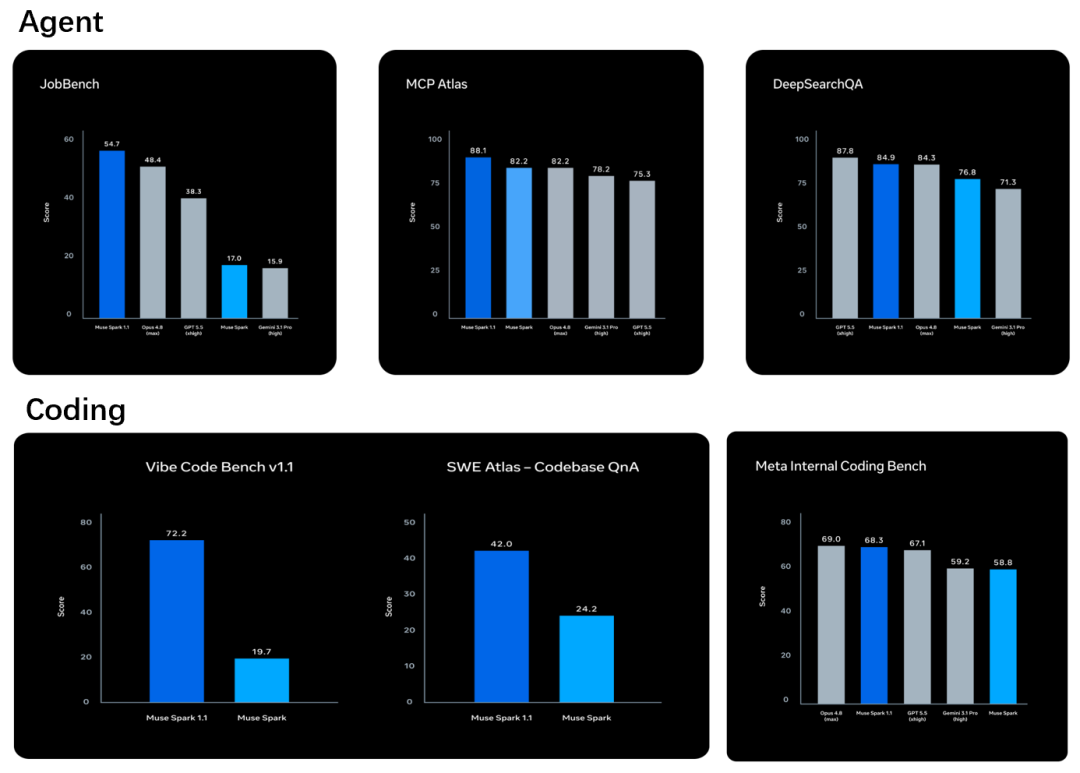
Muse Spark 1.1 的效能相當於 Opus 4.8,但成本僅為其 1/4。
為什麼重要
Meta 進入算力租賃市場,透過提供垂直整合的 AI 解決方案,可能對現有雲端服務供應商造成衝擊。資本支出的巨幅增加顯示其對 AI 基礎設施主導地位的長期承諾。
下一步行動
評估 Muse Spark 1.1 與您目前使用的 LLM 供應商在編碼密集型工作流中的性價比。
誰應關注:Developers & AI Engineers
關鍵要點
- •Muse Spark 1.1 的效能相當於 Opus 4.8,但成本僅為其 1/4。
- •Meta 確認戰略轉型,將提供結合 AI 與 Agent 能力的算力租賃方案。
- •第四代 MTIA 晶片 (Iris) 將於 9 月進入量產。
- •Meta 計畫在 2027 年前將數據中心算力翻倍,以應對基礎設施需求。
🧠 深度解析
本篇為 AI 生成分析,非原文內容。
🔑 增強重點摘要
- •Muse Spark 1.1 utilizes a novel 'Sparse-Attention Distillation' architecture that reduces inference latency by 40% compared to its predecessor.
- •Meta's compute rental service, branded as 'Meta Compute Cloud (MCC)', will integrate directly with the Llama-stack ecosystem to facilitate enterprise fine-tuning.
- •The Iris (MTIA Gen 4) chip features a 3D-stacked memory design, specifically optimized for the high-bandwidth requirements of Mixture-of-Experts (MoE) models.
- •Meta has secured long-term energy supply agreements with three major modular nuclear reactor providers to power the expanded data centers required for 2027 capacity targets.
- •Muse Spark 1.1 includes enhanced safety guardrails specifically designed to mitigate 'jailbreak' attempts in agentic workflows, a key differentiator from previous open-weight models.
📊 競品分析▸ Show
| Feature | Meta Muse Spark 1.1 | Google Gemini 1.5 Pro | OpenAI Opus 4.8 |
|---|---|---|---|
| Architecture | Sparse-Attention | MoE | Dense Transformer |
| Cost Efficiency | 25% of Opus 4.8 | Competitive | Baseline |
| Primary Use Case | Agentic Workflows | Multimodal Reasoning | General Purpose |
| Hardware | MTIA (Iris) | TPU v5p | H100/B200 |
🛠️ 技術深入
- Model Architecture: Muse Spark 1.1 employs a Sparse-Attention mechanism that dynamically prunes non-essential tokens during the pre-fill phase.
- MTIA Iris Specs: The fourth-generation chip utilizes a 3nm process node, delivering a 3.5x increase in TFLOPS per watt over the previous generation.
- Integration: The compute rental service utilizes a proprietary interconnect fabric that reduces inter-node communication overhead by 25% compared to standard Ethernet-based clusters.
- Memory: Iris chips feature 64GB of HBM3e memory per unit, enabling larger model residency on single-node configurations.
🔮 前景展望基於引用來源的 AI 分析
Meta will capture significant market share from traditional cloud providers in the AI-agent hosting sector.
Bundling proprietary, cost-optimized hardware (MTIA) with specialized agentic models creates a unique value proposition that general-purpose cloud providers cannot currently match.
The shift to compute rental will lead to a measurable decline in Meta's reliance on third-party GPU providers by 2028.
Aggressive scaling of the MTIA Iris production line allows Meta to internalize a larger portion of its inference and training workloads.
⏳ 時間線
2023-05
Meta announces the first generation of MTIA (Meta Training and Inference Accelerator).
2024-04
Meta releases MTIA Gen 2, focusing on improved recommendation model performance.
2025-02
Meta introduces the Muse model series, marking its entry into high-efficiency, cost-effective LLMs.
2025-10
Meta unveils MTIA Gen 3, significantly increasing compute capacity for Llama 4 training.
2026-07
Meta launches Muse Spark 1.1 and announces the strategic pivot to compute rental services.
📰 事件追蹤
📰
AI 週報
閱讀本週精選 AI 大事摘要 →
👉相關動態



AI 策展新聞聚合。所有內容版權歸原始發布者所有。
原始來源: 虎嗅 ↗
每週電子報
每週一封,可隨時退訂。