Floods hit jasmine supply; tea chains maintain stable prices
๐กA case study on how large-scale inventory management and supply chain data mitigate physical supply shocks.
โก 30-Second TL;DR
What Changed
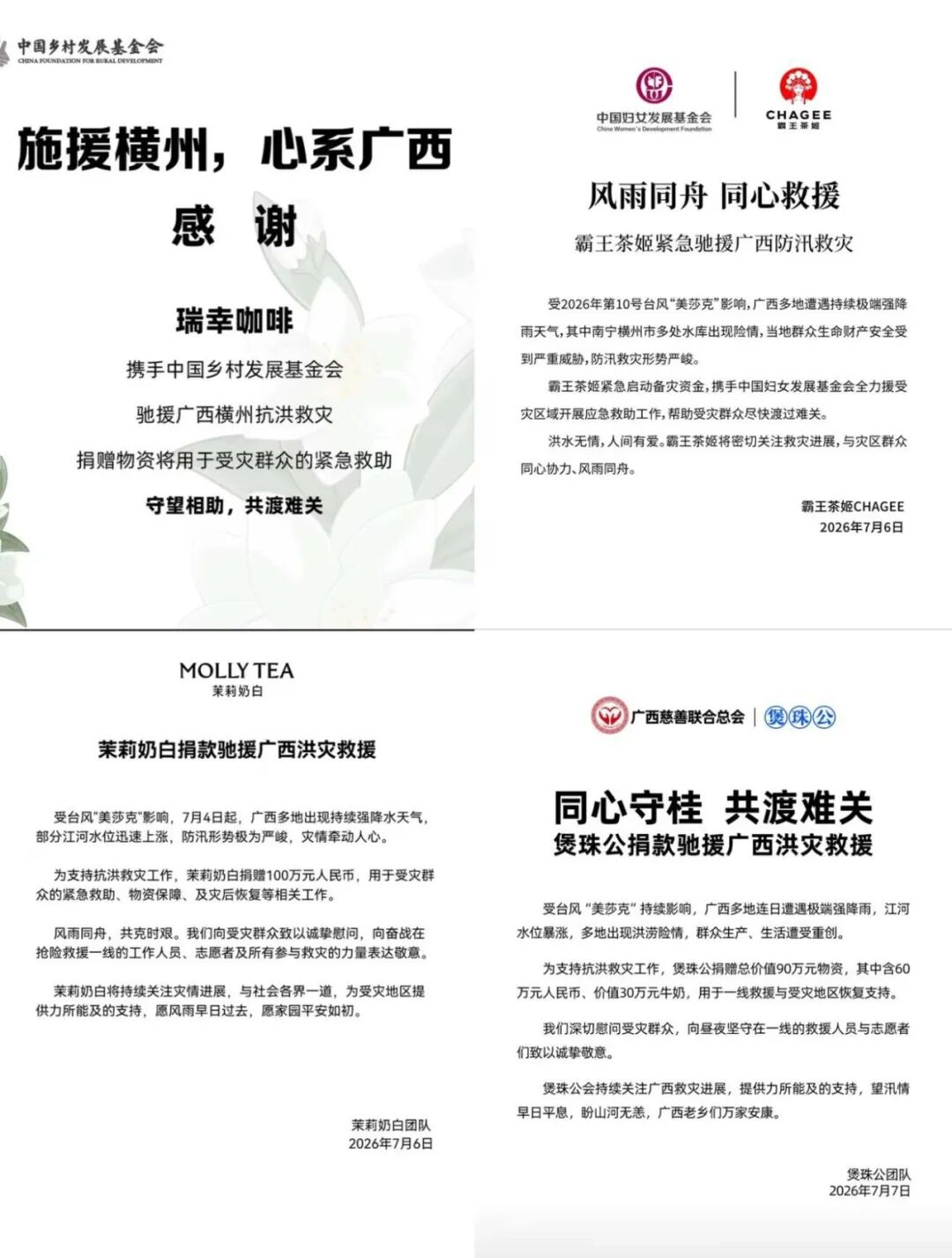
Hengzhou jasmine production hit by floods, causing short-term price spikes.
Why It Matters
The event highlights the vulnerability of single-source raw materials in the consumer sector and the necessity of digital supply chain management for risk mitigation.
What To Do Next
If building an AI-driven supply chain tool, focus on predictive analytics for commodity price volatility and weather-risk modeling.
Key Points
- โขHengzhou jasmine production hit by floods, causing short-term price spikes.
- โขTop tea brands have 3-4 months of inventory and locked-in supply prices.
- โขSmall brands without supply chain infrastructure face higher cost pressures.
- โขSupply chain resilience is becoming the primary competitive advantage in the tea industry.
๐ง Deep Insight
AI-generated analysis for this event.
๐ Enhanced Key Takeaways
- โขHengzhou, known as the 'Jasmine Capital of the World,' produces over 80% of China's jasmine tea, making any localized weather event a systemic risk for the national tea beverage industry.
- โขThe price of jasmine flower raw materials has historically exhibited high volatility, often fluctuating by 20-30% during peak harvest seasons due to labor shortages and climate sensitivity.
- โขMajor tea chains are increasingly adopting 'Direct Sourcing' models, bypassing traditional wholesalers to establish cooperative bases directly with farmers to stabilize procurement costs.
- โขThe integration of cold-chain logistics and specialized jasmine preservation technology has allowed brands to extend the shelf life of fresh jasmine, reducing the impact of short-term harvest disruptions.
- โขIndustry analysts note a shift toward 'supply chain digitalization,' where brands use IoT sensors in tea plantations to predict yield fluctuations and adjust procurement strategies in real-time.
๐ Competitor Analysisโธ Show
| Feature | Major Tea Chains (e.g., Ruixing, Bawang Chaji) | Small/Independent Tea Shops |
|---|---|---|
| Supply Chain | Direct-to-farm, long-term contracts | Spot market procurement |
| Inventory | 3-4 months reserve | Just-in-time (JIT) delivery |
| Price Stability | High (Locked-in contracts) | Low (Subject to market spikes) |
| Risk Mitigation | Diversified sourcing regions | Single-source dependency |
๐ ๏ธ Technical Deep Dive
- Jasmine Scenting Process: Traditional 'scenting' involves layering fresh jasmine flowers with tea leaves for 12-24 hours, a process highly sensitive to humidity and temperature fluctuations caused by flooding.
- Cold Chain Preservation: Implementation of -18ยฐC to -25ยฐC storage environments for jasmine flowers to maintain aromatic compounds (linalool, benzyl acetate) during supply chain bottlenecks.
- Yield Prediction Models: Utilization of satellite imagery and meteorological data to estimate flower output, allowing procurement teams to adjust purchase volumes 2-4 weeks in advance.
๐ฎ Future ImplicationsAI analysis grounded in cited sources
โณ Timeline
Weekly AI Recap
Read this week's curated digest of top AI events โ
๐Related Updates
AI-curated news aggregator. All content rights belong to original publishers.
Original source: ่ๅ
โ