來源钛媒体•較早收集於 83m
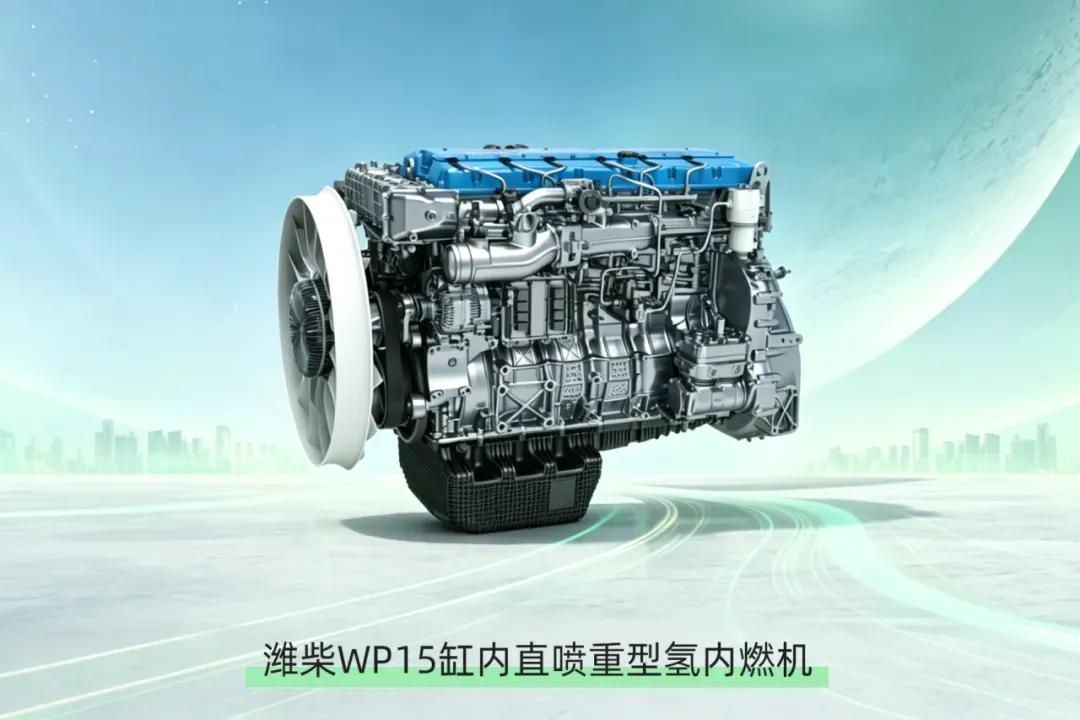
氫內燃機:在競爭環境下的規模化挑戰

了解可能影響自動駕駛運輸與 AI 物流未來的能源格局轉變。
30 秒速覽
有什麼變化
氫內燃機在與純電動車(BEV)的快速普及競爭中處於劣勢。
為什麼重要
氫內燃機的困境突顯了電氣化在能源轉型中的主導地位,這將影響未來 AI 驅動的自動駕駛車隊的能源選擇。
下一步行動
在為不同動力系統設計 AI 優化的物流或車隊管理軟體時,請評估能源效率指標。
誰應關注:Researchers & Academics
關鍵要點
- •氫內燃機在與純電動車(BEV)的快速普及競爭中處於劣勢。
- •擴大生產規模面臨三大技術與經濟挑戰。
- •氫能基礎設施需求仍是大規模應用的瓶頸。
關鍵數字42%60%
深度解析
本篇為 AI 生成分析,非原文內容。
增強重點摘要
- •Hydrogen internal combustion engines (H2-ICE) suffer from significantly lower thermal efficiency compared to hydrogen fuel cells, often peaking around 38-42% versus 60% for fuel cell stacks.
- •NOx emissions remain a critical technical hurdle for H2-ICE, requiring advanced selective catalytic reduction (SCR) systems to meet stringent Euro VII or equivalent global emission standards.
- •The combustion characteristics of hydrogen, specifically its high flame speed and tendency for pre-ignition, necessitate specialized materials for pistons and valves to prevent engine knock and thermal degradation.
- •Heavy-duty transport and long-haul shipping are emerging as the primary niche markets for H2-ICE, as these sectors struggle with the energy density and charging time limitations of current battery technologies.
- •Lubrication oil contamination is a unique challenge for hydrogen engines, as the combustion of hydrogen produces water vapor that can lead to oil emulsification and accelerated engine wear.
競品分析
Energy Efficiency
- Hydrogen ICE
- Moderate (35-42%)
- Battery Electric (BEV)
- High (80-90%)
- Hydrogen Fuel Cell (FCEV)
- High (50-60%)
Refueling Time
- Hydrogen ICE
- Fast (5-10 min)
- Battery Electric (BEV)
- Slow (30 min - 2 hrs)
- Hydrogen Fuel Cell (FCEV)
- Fast (5-10 min)
Complexity
- Hydrogen ICE
- High (Mechanical)
- Battery Electric (BEV)
- Low (Solid State)
- Hydrogen Fuel Cell (FCEV)
- Moderate (Chemical)
Emission Profile
- Hydrogen ICE
- Low NOx
- Battery Electric (BEV)
- Zero
- Hydrogen Fuel Cell (FCEV)
- Zero
| Feature | Hydrogen ICE | Battery Electric (BEV) | Hydrogen Fuel Cell (FCEV) |
|---|---|---|---|
| Energy Efficiency | Moderate (35-42%) | High (80-90%) | High (50-60%) |
| Refueling Time | Fast (5-10 min) | Slow (30 min - 2 hrs) | Fast (5-10 min) |
| Complexity | High (Mechanical) | Low (Solid State) | Moderate (Chemical) |
| Emission Profile | Low NOx | Zero | Zero |
技術深入
- Combustion Strategy: Direct injection (DI) is preferred over port fuel injection to mitigate backfire risks and improve volumetric efficiency.
- Compression Ratio: Optimized typically between 10:1 and 12:1 to balance power output with the prevention of pre-ignition.
- Fuel System: Requires high-pressure storage (350-700 bar) and specialized injectors capable of handling hydrogen embrittlement.
- Thermal Management: Enhanced cooling systems are required due to the higher combustion temperatures and the need to manage heat flux in the cylinder head.
前景展望基於引用來源的 AI 分析
H2-ICE will be relegated to specialized heavy-duty industrial applications by 2030.
The superior efficiency of fuel cells and batteries makes H2-ICE economically uncompetitive for light-duty passenger vehicles.
Retrofitting existing diesel fleets will become the primary deployment model for hydrogen engines.
The high capital cost of new hydrogen infrastructure makes converting existing heavy-duty diesel engines more financially viable than building new fuel cell platforms.
時間線
2021-05
Major automotive manufacturers begin public testing of hydrogen-converted heavy-duty truck engines.
2023-09
Introduction of specialized hydrogen-compatible engine oil formulations to address emulsification issues.
2025-02
Global regulatory bodies finalize emission standards specifically addressing NOx output in hydrogen-combustion engines.
- 2021-05Major automotive manufacturers begin public testing of hydrogen-converted heavy-duty truck engines.
- 2023-09Introduction of specialized hydrogen-compatible engine oil formulations to address emulsification issues.
- 2025-02Global regulatory bodies finalize emission standards specifically addressing NOx output in hydrogen-combustion engines.
AI 週報
閱讀本週精選 AI 大事摘要 →
AI 策展新聞聚合。所有內容版權歸原始發布者所有。
原始來源: 钛媒体 ↗
每週電子報
每週一封,可隨時退訂。