Yangcheng Lake Peninsula hosts AI carnival for real-world testing
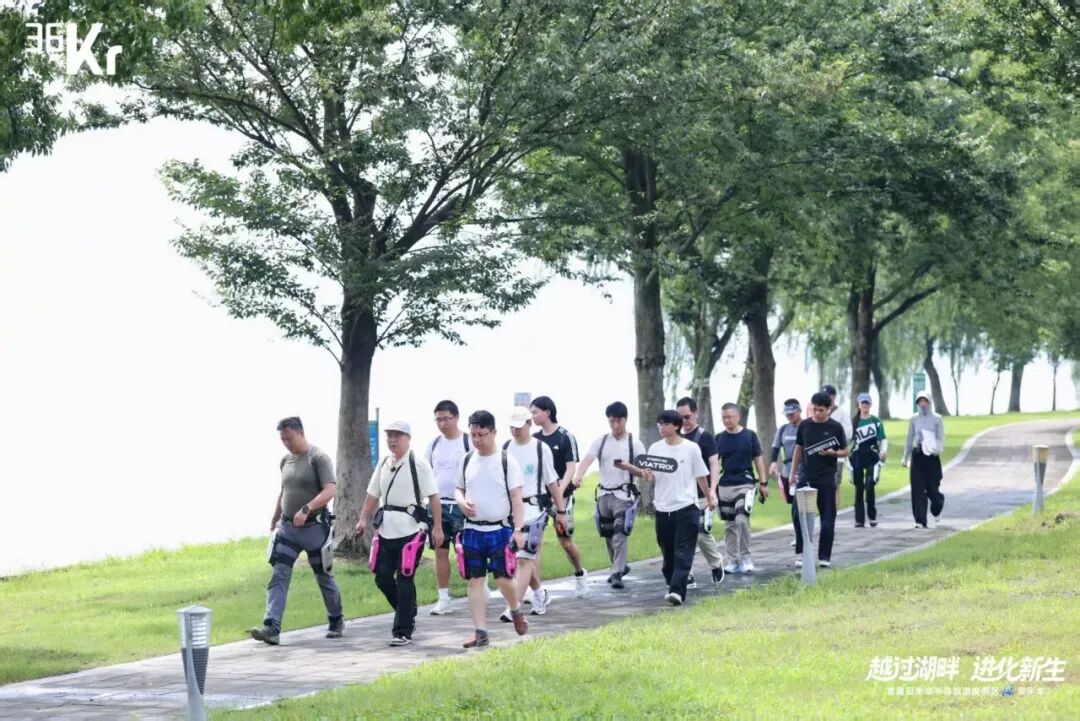
💡Learn how AI startups are moving beyond demos by testing products in high-traffic real-world tourism scenarios.
⚡ 30-Second TL;DR
What Changed
Showcased AI applications in sports (robot tennis trainers), healthcare (smart wheelchairs), and retail (robot baristas).
Why It Matters
Provides a replicable model for AI startups to move from 'can it be built' to 'can it be used' by integrating into daily life scenarios.
What To Do Next
If you are building an AI hardware product, seek out local tourism or commercial districts to conduct real-world pilot testing for user feedback.
Key Points
- •Showcased AI applications in sports (robot tennis trainers), healthcare (smart wheelchairs), and retail (robot baristas).
- •Utilized the Yangcheng Lake Peninsula as a living lab for AI startups to test product-market fit.
- •Suzhou Industrial Park leverages its 1,900+ AI companies to build a '3+N' AI application ecosystem.
🧠 Deep Insight
AI-generated analysis for this event.
🔑 Enhanced Key Takeaways
- •The Yangcheng Lake Peninsula initiative is part of the 'Suzhou AI+ Application Scenario Open Platform,' which aims to release over 100 public-facing AI use cases annually.
- •The event specifically integrates 5G-Advanced (5.5G) network infrastructure across the peninsula to ensure low-latency connectivity for autonomous robots and real-time data processing.
- •Suzhou Industrial Park (SIP) has established a dedicated 'AI Industry Innovation Cluster' fund, providing subsidies for startups that successfully transition from testing to commercial deployment within the zone.
- •The '3+N' ecosystem refers to three core pillars—AI infrastructure, large model development, and intelligent hardware—supported by N specialized application scenarios like tourism, manufacturing, and urban governance.
- •Local government regulations in the SIP have been updated to create a 'regulatory sandbox' for the carnival, allowing for temporary exemptions on certain autonomous vehicle and robot operation permits.
🛠️ Technical Deep Dive
- Deployment of edge computing nodes at key tourist landmarks to reduce latency for robot baristas and interactive AI kiosks.
- Utilization of multi-modal large language models (LLMs) for real-time human-robot interaction, enabling natural language processing in complex, noisy outdoor environments.
- Implementation of SLAM (Simultaneous Localization and Mapping) algorithms optimized for high-pedestrian-traffic areas to ensure safe navigation of autonomous service robots.
- Integration of 5.5G network slicing to prioritize bandwidth for critical safety-related AI systems over general public Wi-Fi traffic.
🔮 Future ImplicationsAI analysis grounded in cited sources
⏳ Timeline
Weekly AI Recap
Read this week's curated digest of top AI events →
👉Related Updates


AI-curated news aggregator. All content rights belong to original publishers.
Original source: 36氪 ↗