Xiaomi Growth Meets Profit Pressure
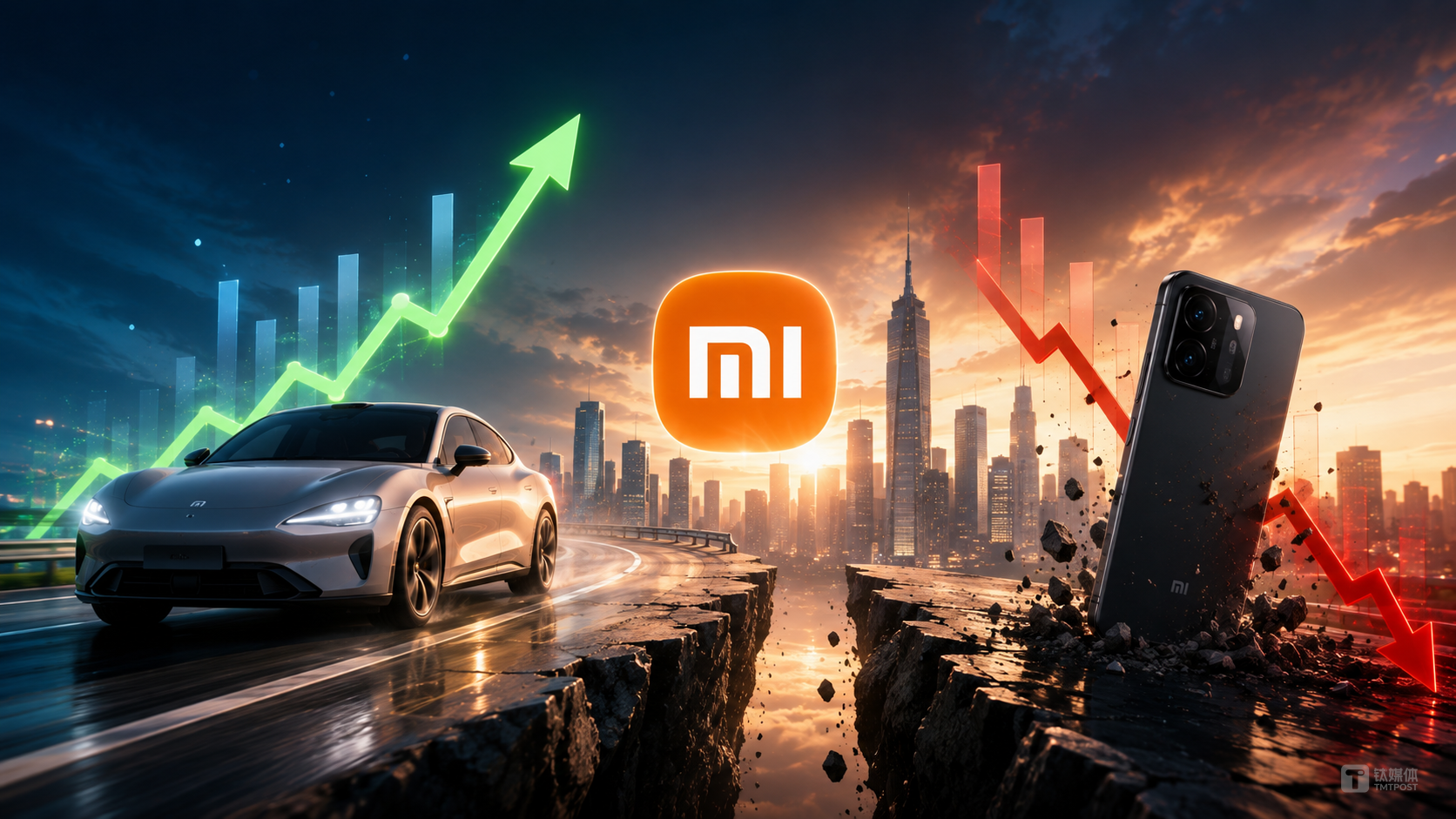
💡Xiaomi’s hardware growth is accelerating, but shrinking profitability may reshape its AI and ecosystem strategy.
⚡ 30-Second TL;DR
What Changed
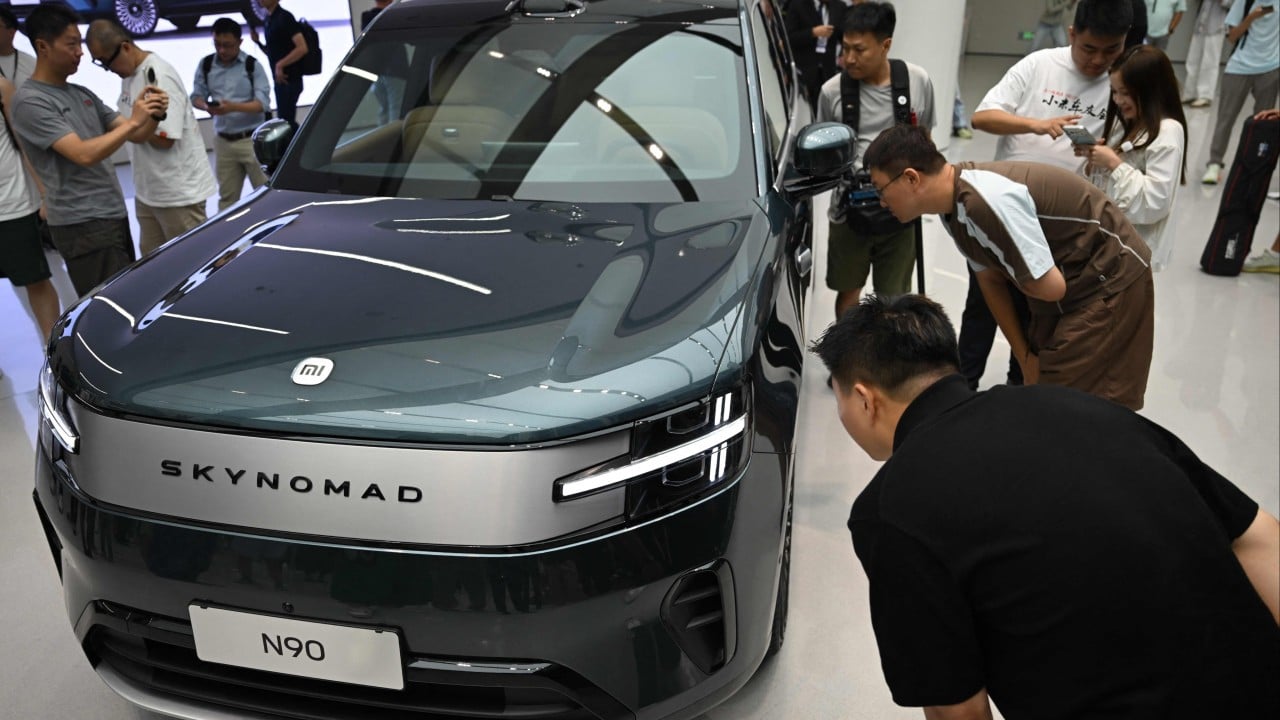
Xiaomi’s automotive business continues to scale up.
Why It Matters
For AI practitioners, the article highlights the business risk of relying on hardware expansion without sufficient margin improvement. Xiaomi’s ability to monetize connected cars, premium devices, and their software ecosystems may influence future opportunities for edge AI partnerships.
What To Do Next
Review Xiaomi’s latest developer, cloud, and connected-device offerings before considering it as an edge AI or automotive AI partner.
Key Points
- •Xiaomi’s automotive business continues to scale up.
- •Its smartphone portfolio is becoming more premium and expensive.
- •Revenue growth has not translated into stronger profitability, leaving the next growth engine uncertain.
🧠 Deep Insight
AI-generated analysis for this event.
🔑 Enhanced Key Takeaways
- •Xiaomi's automotive division reported significant R&D expenditure spikes in mid-2026, primarily driven by the development of autonomous driving software and next-generation battery integration.
- •The company's 'Human x Car x Home' ecosystem strategy is facing integration friction, as cross-device revenue contribution remains lower than internal targets despite high user adoption rates.
- •Xiaomi has shifted its smartphone strategy toward 'AI-native' hardware, increasing component costs by approximately 15% per unit to accommodate advanced on-device large language model processing.
- •Market data indicates that while Xiaomi EV delivery volumes are hitting record highs, the gross margin per vehicle is being compressed by aggressive price-cutting strategies to maintain market share against domestic rivals.
- •Supply chain reports suggest Xiaomi is diversifying its semiconductor sourcing to mitigate geopolitical risks, which has temporarily increased logistics and procurement overheads.
📊 Competitor Analysis▸ Show
| Feature/Metric | Xiaomi (SU7 Series) | BYD (Seal/Han) | Tesla (Model 3/Y) |
|---|---|---|---|
| Primary Focus | Tech/Ecosystem Integration | Vertical Integration/Value | Autonomy/Efficiency |
| Pricing Strategy | Mid-to-High Premium | Mass Market to Premium | Premium/Dynamic |
| Software/AI | HyperOS (Deep Integration) | DiLink (General Purpose) | FSD (Advanced Autonomy) |
| Market Positioning | Tech-Lifestyle Brand | Automotive Powerhouse | Global EV Benchmark |
🛠️ Technical Deep Dive
- Xiaomi SU7 utilizes the 'Modena' platform, supporting 800V high-voltage architecture for rapid charging capabilities.
- Smartphone hardware now incorporates custom-tuned NPU architectures designed to run Xiaomi's proprietary 'MiLM' (Xiaomi Large Model) locally.
- The vehicle's autonomous driving system, 'Xiaomi Pilot,' leverages a combination of LiDAR, ultrasonic sensors, and high-definition cameras processed by dual NVIDIA Orin-X chips.
- Integration of the 'HyperOS' kernel allows for real-time data synchronization between vehicle telemetry and smartphone UI, reducing latency in cross-device control.
🔮 Future ImplicationsAI analysis grounded in cited sources
⏳ Timeline
Weekly AI Recap
Read this week's curated digest of top AI events →
👉Related Updates


AI-curated news aggregator. All content rights belong to original publishers.
Original source: 钛媒体 ↗