Source虎嗅•Stalecollected in 33m
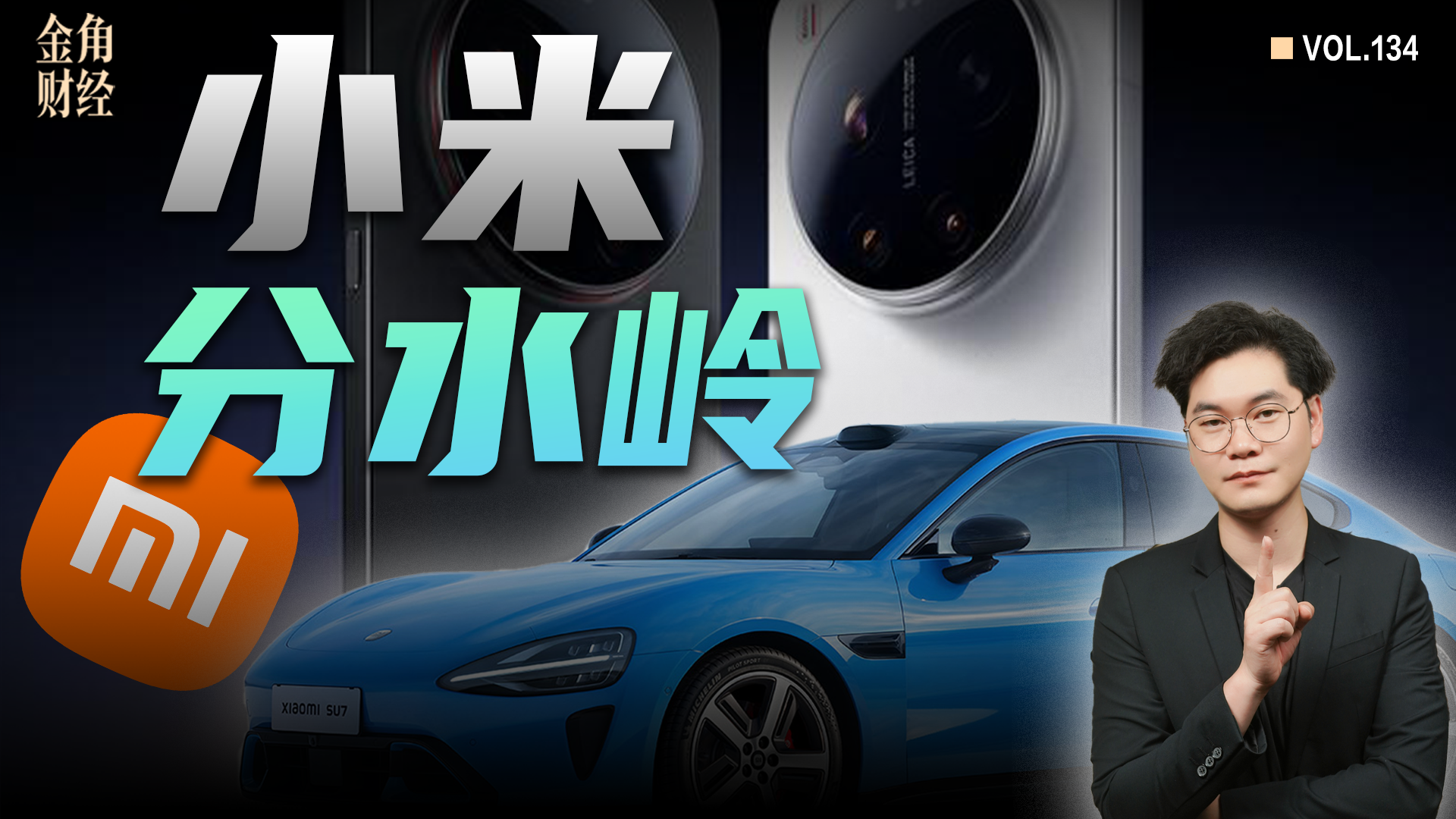
Xiaomi Auto Revenue Tops 100B RMB
#xiaomi-auto#revenue-milestone#high-end-strategyxiaomi-autoxiaomi
💡Xiaomi's 100B auto win boosts AI smart car strategy insights
⚡ 30-Second TL;DR
What Changed
Automotive business revenue surpasses 100B RMB for first time
Why It Matters
Accelerates Xiaomi's smart ecosystem rivalry with Tesla, Apple in AI-infused mobility.
What To Do Next
Benchmark Xiaomi's high-end auto AI cockpit against your embedded models.
Who should care:Enterprise & Security Teams
Key Points
- •Automotive business revenue surpasses 100B RMB for first time
- •Dual high-end push in smartphones and EVs
- •Record-breaking 2025 year-end financial report
🧠 Deep Insight
AI-generated analysis for this event — not the original article.
🔑 Enhanced Key Takeaways
- •Xiaomi's automotive revenue growth was primarily fueled by the rapid scaling of the SU7 series production capacity, which reached a monthly delivery milestone of over 20,000 units by late 2025.
- •The company achieved a positive gross margin in its automotive segment within its first full year of mass production, a rare feat in the EV industry attributed to high vertical integration and supply chain efficiency.
- •Xiaomi's 'Human x Car x Home' ecosystem strategy has successfully increased cross-selling rates, with over 40% of SU7 buyers already owning at least one Xiaomi smartphone or smart home device.
📊 Competitor Analysis▸ Show
| Feature | Xiaomi SU7 | Tesla Model 3 | BYD Seal |
|---|---|---|---|
| Starting Price (Approx) | ~215,900 RMB | ~231,900 RMB | ~175,800 RMB |
| 0-100 km/h | 2.78s (Max) | 4.4s (Long Range) | 3.8s (Performance) |
| Ecosystem Integration | Deep (HyperOS) | Moderate | Moderate |
| Charging Architecture | 800V | 400V | 400V/800V (varies) |
🛠️ Technical Deep Dive
- •HyperOS Integration: The vehicle utilizes a centralized computing architecture that allows for seamless 'phone-to-car' application handoff and shared hardware resources between the smartphone and the vehicle's cockpit.
- •Battery Technology: Employs Cell-to-Body (CTB) technology, integrating the battery pack directly into the vehicle chassis to increase structural rigidity and cabin space.
- •Autonomous Driving: Xiaomi Pilot utilizes a dual-Orin X chip setup with a LiDAR-centric sensor fusion stack, supporting end-to-end large model-based urban Navigate on Autopilot (NOA).
- •Powertrain: Features the proprietary 'HyperEngine' V8s motor, capable of reaching 27,200 rpm, enabling industry-leading power density.
🔮 Future ImplicationsAI analysis grounded in cited sources
Xiaomi will expand its EV lineup to include an SUV model by mid-2026.
The company has signaled a need to diversify its portfolio to capture the high-growth SUV segment in China to maintain its current revenue growth trajectory.
Xiaomi will prioritize international market entry for its automotive division within the next 18 months.
Domestic market saturation and the need for higher margins necessitate expansion into European and Southeast Asian markets where Xiaomi's smartphone brand equity is already established.
⏳ Timeline
2021-03
Xiaomi officially announces entry into the electric vehicle market.
2023-12
Xiaomi hosts technology launch event, unveiling the SU7 and its core EV technologies.
2024-03
Xiaomi SU7 officially launches in China, triggering record-breaking pre-orders.
2024-10
Xiaomi Auto achieves the milestone of 100,000 cumulative vehicle deliveries.
2025-12
Xiaomi Auto reports annual revenue exceeding 100 billion RMB.
📰
Weekly AI Recap
Read this week's curated digest of top AI events →
👉Related Updates


AI-curated news aggregator. All content rights belong to original publishers.
Original source: 虎嗅 ↗
This is a summary, not the original. Read the source, or get the weekly briefing.
The weekly digest
One email a week. Unsubscribe anytime.