WPS Faces Backlash Over User Experience and Privacy Issues
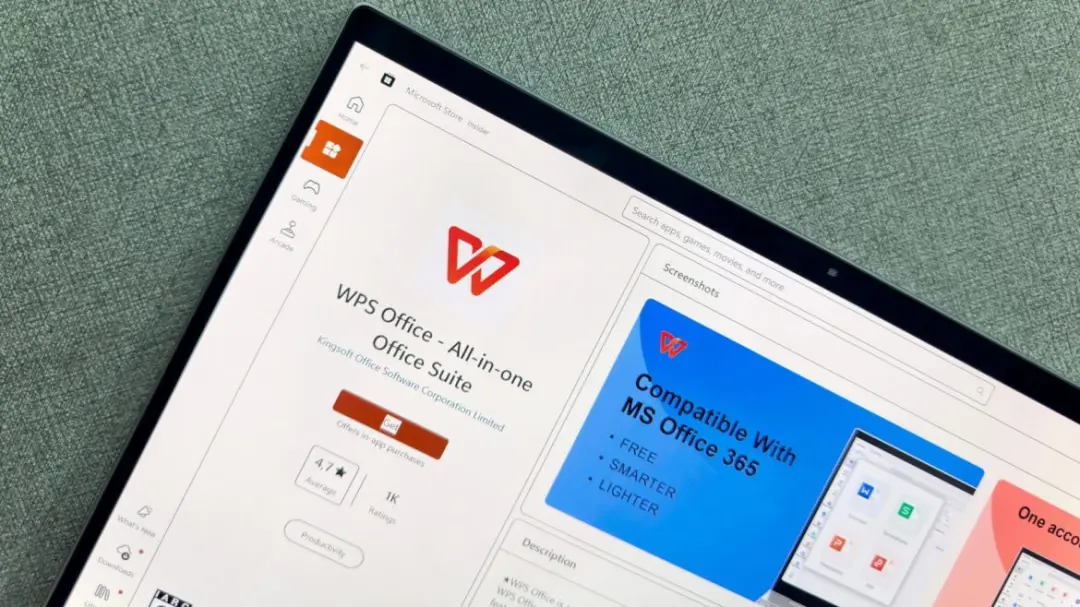
Learn why user experience and transparent feature management are critical for retaining users in competitive markets.
30-Second TL;DR
What Changed
Users reported significant system lag and document loss issues
Why It Matters
The incident highlights the importance of user experience and transparent data management for established software platforms integrating AI features.
What To Do Next
If building productivity tools, prioritize transparent data handling and robust error logging to prevent user trust erosion.
Key Points
- •Users reported significant system lag and document loss issues
- •Concerns raised regarding default caching and unclear membership pricing
- •Public backlash intensified after Weibo CEO publicly criticized the service
Deep Insight
AI-generated analysis for this event — not the original article.
Enhanced Key Takeaways
- •The backlash was significantly amplified by a viral Weibo post from Wang Gaofei, the CEO of Weibo, who publicly complained about the software's intrusive advertising and forced membership prompts.
- •WPS Office has faced long-standing criticism regarding its 'cloud-first' synchronization strategy, which users claim prioritizes server-side storage over local file integrity, leading to the reported document loss.
- •Regulatory scrutiny in China has increased regarding 'dark patterns' in software UI, with WPS being cited as a primary example of aggressive upsell tactics that make it difficult for users to cancel subscriptions.
- •Technical analysis from user communities suggests that the reported system lag is primarily caused by the software's heavy integration of embedded browser components used to render advertisements and dynamic membership content.
- •Kingsoft Office, the developer of WPS, has historically relied on a 'freemium' model that has become increasingly restrictive, leading to a migration of power users toward open-source alternatives like LibreOffice or cloud-native solutions like Google Workspace.
Competitor Analysis
- WPS Office
- Freemium (Ad-supported)
- Microsoft 365
- Subscription
- Google Workspace
- Subscription
- LibreOffice
- Free/Open Source
- WPS Office
- Proprietary/Aggressive
- Microsoft 365
- OneDrive Integration
- Google Workspace
- Native Drive
- LibreOffice
- Manual/Third-party
- WPS Office
- High (Bloatware issues)
- Microsoft 365
- Moderate
- Google Workspace
- High (Web-based)
- LibreOffice
- High (Local)
- WPS Office
- Controversial/Data Mining
- Microsoft 365
- Enterprise-grade
- Google Workspace
- Data-driven
- LibreOffice
- High (Local-only)
| Feature | WPS Office | Microsoft 365 | Google Workspace | LibreOffice |
|---|---|---|---|---|
| Pricing Model | Freemium (Ad-supported) | Subscription | Subscription | Free/Open Source |
| Cloud Sync | Proprietary/Aggressive | OneDrive Integration | Native Drive | Manual/Third-party |
| Performance | High (Bloatware issues) | Moderate | High (Web-based) | High (Local) |
| Privacy | Controversial/Data Mining | Enterprise-grade | Data-driven | High (Local-only) |
Technical Deep Dive
- WPS Office utilizes a multi-process architecture where the main document editor spawns separate processes for cloud synchronization and advertisement rendering.
- The 'default caching' issue stems from a local database implementation (often SQLite-based) that frequently fails to commit changes to the disk during high-latency network conditions.
- The software employs a proprietary file format (.wps) that includes metadata hooks for cloud tracking, which often conflicts with standard OpenXML formats during conversion.
- Memory management issues are frequently linked to the Chromium Embedded Framework (CEF) instances used to display the membership and ad-heavy dashboard.
Future ImplicationsAI analysis grounded in cited sources
Timeline
- 1988-05WPS 1.0 is released, marking the beginning of the WPS Office suite.
- 2011-09Kingsoft Office launches its mobile version, significantly expanding its user base.
- 2019-11Kingsoft Office (WPS) completes its IPO on the Shanghai Stock Exchange STAR Market.
- 2023-05WPS introduces AI-powered features, further increasing the complexity and resource demands of the software.
- 2026-06Public backlash peaks following high-profile criticism of membership tiers and system performance.
Weekly AI Recap
Read this week's curated digest of top AI events →
Related Updates


AI-curated news aggregator. All content rights belong to original publishers.
Original source: cnBeta (Full RSS) ↗
This is a summary, not the original. Read the source, or get the weekly briefing.
The weekly digest
One email a week. Unsubscribe anytime.