World's First Narrow-Gauge Hydrogen Train Debuts in Italy
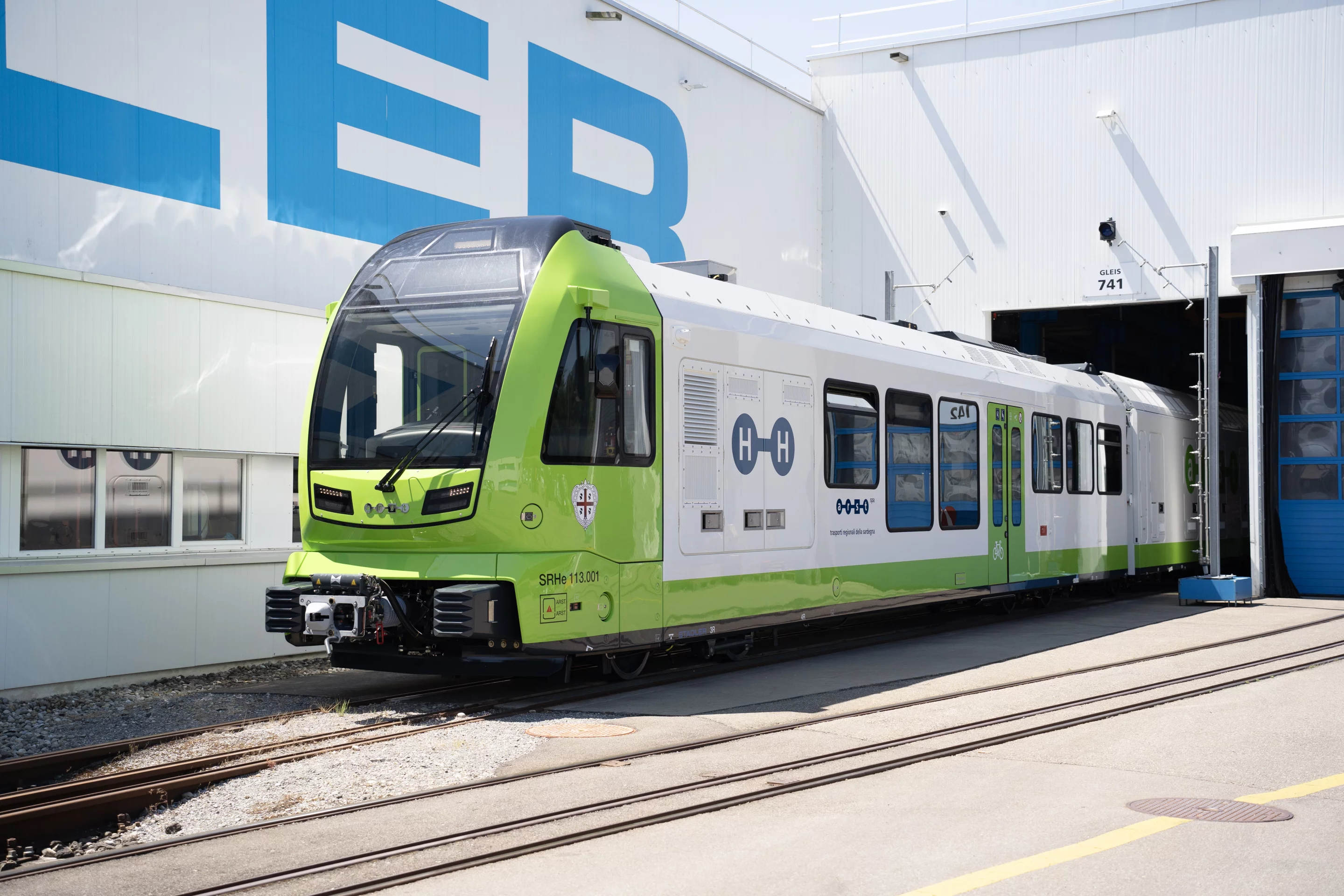
See how specialized engineering solves infrastructure constraints for sustainable energy implementation.
30-Second TL;DR
What Changed
First hydrogen train designed for narrow-gauge railway networks
Why It Matters
This innovation proves that hydrogen propulsion can be adapted for constrained infrastructure, potentially accelerating the decarbonization of legacy rail systems globally.
What To Do Next
Analyze the lightweight material engineering used in this train for potential applications in your own hardware or robotics projects.
Key Points
- •First hydrogen train designed for narrow-gauge railway networks
- •Utilizes lightweight aluminum construction for structural efficiency
- •Key milestone in decarbonizing historical regional rail infrastructure
Deep Insight
AI-generated analysis for this event — not the original article.
Enhanced Key Takeaways
- •The train is part of a broader contract between Stadler and ARST (Azienda Regionale Sarda Trasporti) for the supply of hydrogen-powered multiple units to replace aging diesel fleets in Sardinia.
- •The project specifically targets the 950mm narrow-gauge network, which is common in Sardinia but historically difficult to electrify due to infrastructure constraints.
- •The hydrogen propulsion system is integrated into a modular design that allows for future upgrades or maintenance of the fuel cell and battery components.
- •This initiative is supported by European Union funding aimed at promoting sustainable regional transport and reducing carbon emissions in isolated or mountainous rail networks.
- •The train includes advanced regenerative braking systems that work in tandem with the hydrogen fuel cells to optimize energy consumption across the challenging Sardinian topography.
Competitor Analysis
- Stadler Hydrogen Narrow-Gauge
- Narrow-Gauge (950mm)
- Alstom Coradia iLint
- Standard Gauge
- Siemens Mireo Plus H
- Standard Gauge
- Stadler Hydrogen Narrow-Gauge
- Regional/Tourist Lines
- Alstom Coradia iLint
- Mainline Regional
- Siemens Mireo Plus H
- Mainline Regional
- Stadler Hydrogen Narrow-Gauge
- Lightweight Aluminum
- Alstom Coradia iLint
- Steel
- Siemens Mireo Plus H
- Steel/Aluminum Hybrid
- Stadler Hydrogen Narrow-Gauge
- Operational (Sardinia)
- Alstom Coradia iLint
- Commercial Service
- Siemens Mireo Plus H
- Commercial Service
| Feature | Stadler Hydrogen Narrow-Gauge | Alstom Coradia iLint | Siemens Mireo Plus H |
|---|---|---|---|
| Gauge Type | Narrow-Gauge (950mm) | Standard Gauge | Standard Gauge |
| Primary Market | Regional/Tourist Lines | Mainline Regional | Mainline Regional |
| Construction | Lightweight Aluminum | Steel | Steel/Aluminum Hybrid |
| Status | Operational (Sardinia) | Commercial Service | Commercial Service |
Technical Deep Dive
- Propulsion: Hydrogen fuel cell system combined with high-performance traction batteries for peak power demand.
- Body Material: Lightweight aluminum alloy optimized for high strength-to-weight ratio to comply with narrow-gauge axle load limits.
- Energy Management: Integrated energy storage system (ESS) utilizing batteries to capture energy during braking and provide power during acceleration.
- Gauge Compatibility: Specifically engineered for 950mm track width, requiring custom bogie design compared to standard 1435mm gauge trains.
- Environmental Control: Zero-emission operation with water vapor as the only exhaust byproduct.
Future ImplicationsAI analysis grounded in cited sources
Timeline
- 2023-07Stadler and ARST sign the contract for the supply of hydrogen-powered trains.
- 2025-09Stadler unveils the design and technical specifications for the narrow-gauge hydrogen train.
- 2026-06Official debut and commencement of testing for the hydrogen train in Sardinia.
Weekly AI Recap
Read this week's curated digest of top AI events →
Related Updates


AI-curated news aggregator. All content rights belong to original publishers.
Original source: cnBeta (Full RSS) ↗
This is a summary, not the original. Read the source, or get the weekly briefing.
The weekly digest
One email a week. Unsubscribe anytime.