World Scrambles to Remake Chip Supply Chains
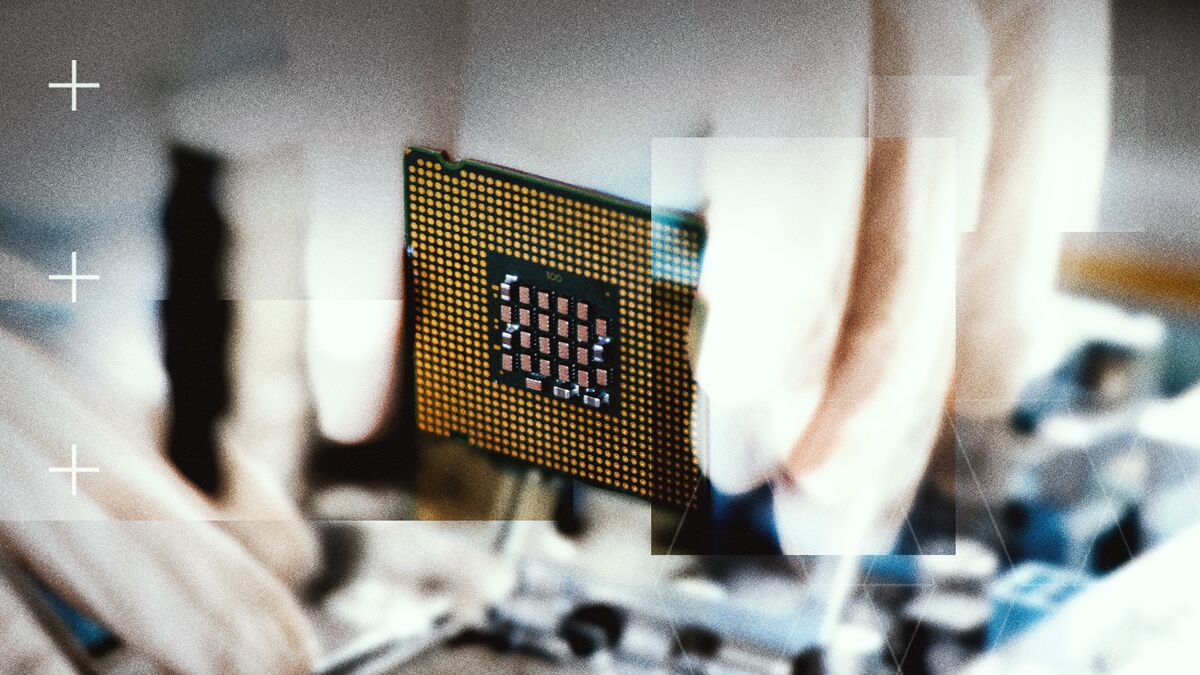
Chip supply shifts could spike GPU costs/delays for your AI projects – understand why now.
30-Second TL;DR
What Changed
Global efforts to diversify semiconductor manufacturing locations
Why It Matters
Supply chain remaking may cause short-term disruptions in AI chip supply like GPUs, raising costs for training large models. Long-term, it could enhance resilience but increase prices for AI practitioners.
What To Do Next
Audit your AI workload's reliance on key chipmakers like TSMC for diversification planning.
Key Points
- •Global efforts to diversify semiconductor manufacturing locations
- •Governments intervening to reshape chip supply chains
- •Bloomberg Primer episode explains the ongoing scramble
Deep Insight
AI-generated analysis for this event — not the original article.
Enhanced Key Takeaways
- •The U.S. CHIPS and Science Act has catalyzed over $450 billion in private sector investment commitments across the semiconductor ecosystem since its 2022 enactment, aiming to reduce reliance on East Asian foundries.
- •Advanced packaging technologies, such as 2.5D and 3D chiplet integration, have become a critical bottleneck in supply chain diversification, shifting the focus from pure wafer fabrication to backend assembly and testing (OSAT) capabilities.
- •The European Chips Act is specifically targeting a doubling of the EU's global market share in semiconductor production to 20% by 2030, focusing heavily on mature-node automotive and industrial chips rather than just leading-edge AI processors.
Future ImplicationsAI analysis grounded in cited sources
Timeline
- 2020-05TSMC announces plans to build a $12 billion fab in Arizona, marking a major shift in U.S. manufacturing strategy.
- 2022-08President Biden signs the CHIPS and Science Act into law, providing $52.7 billion in subsidies for U.S. semiconductor research and manufacturing.
- 2023-09The European Chips Act enters into force, aiming to mobilize €43 billion in public and private investments.
- 2024-04TSMC receives $6.6 billion in direct funding under the U.S. CHIPS Act to expand its Arizona production facilities.
Weekly AI Recap
Read this week's curated digest of top AI events →
AI-curated news aggregator. All content rights belong to original publishers.
Original source: Bloomberg Technology ↗
This is a summary, not the original. Read the source, or get the weekly briefing.
The weekly digest
One email a week. Unsubscribe anytime.