Windows 11 Adds Per-App Win32 Privacy Controls
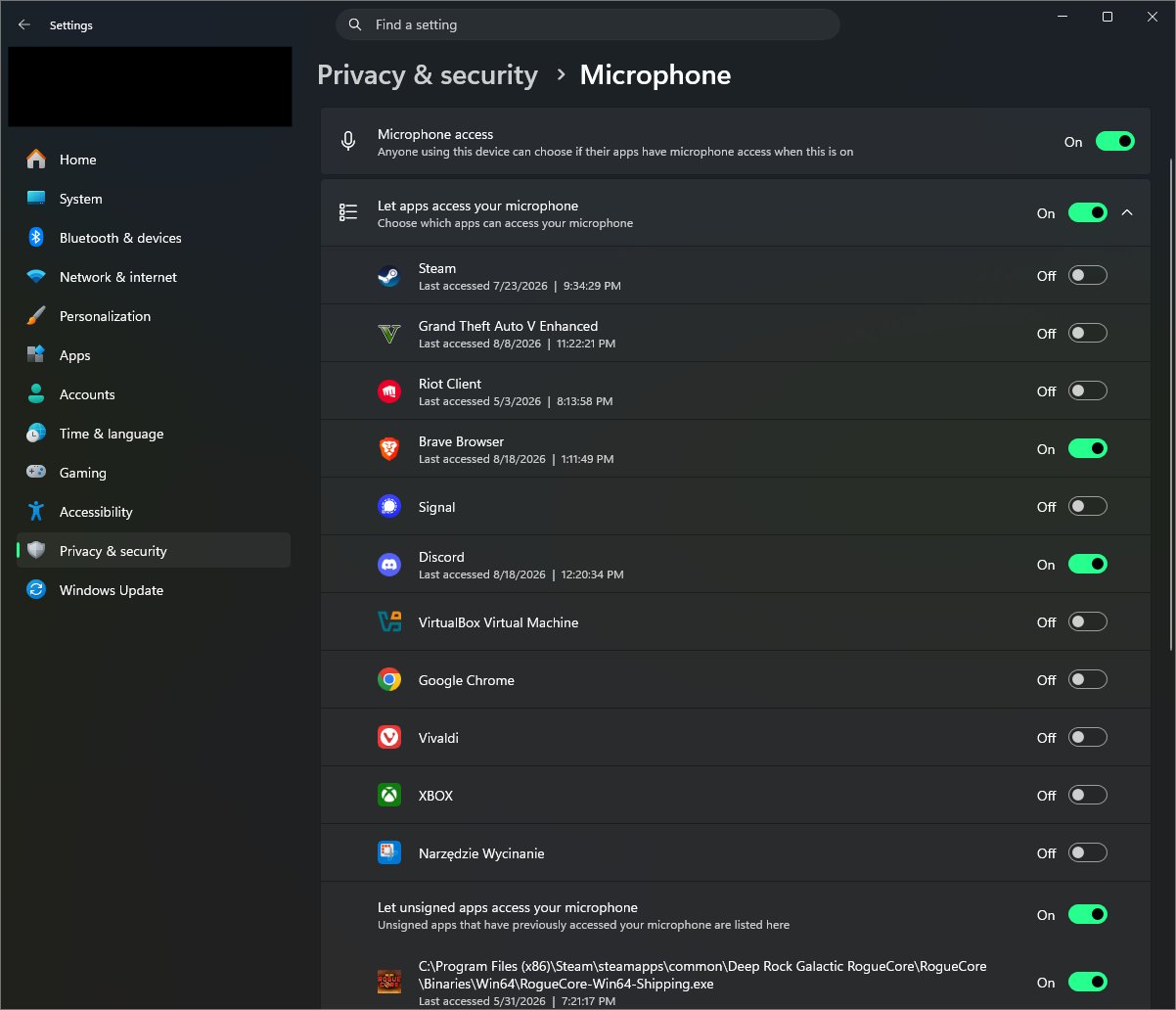
💡Per-app Win32 controls could make Windows workstations safer for local models, data pipelines, and AI development tools.
⚡ 30-Second TL;DR
What Changed
Windows 11 is testing independent privacy permission management for Win32 applications.
Why It Matters
Granular permissions could improve endpoint security and reduce the risk of overbroad access by desktop applications. For AI practitioners running local models, data pipelines, or developer tools on Windows, this may provide more precise control over application access to sensitive resources.
What To Do Next
Test build 26340.9212 in an isolated Windows 11 environment and verify that your local AI tools retain only the file, camera, microphone, and network permissions they require.
Key Points
- •Windows 11 is testing independent privacy permission management for Win32 applications.
- •Users can revoke permissions from specific traditional desktop apps.
- •The feature appears in Experimental Insider Preview build 26340.9212 and is not yet documented in official release notes.
🧠 Deep Insight
AI-generated analysis for this event.
🔑 Enhanced Key Takeaways
- •The new permission management system leverages the existing App Privacy settings UI, extending the 'Let desktop apps access...' toggle to a granular list view.
- •This implementation utilizes the Windows AppModel runtime to intercept and mediate API calls for sensitive resources like camera, microphone, and location for legacy Win32 processes.
- •Microsoft is utilizing a new 'Privacy Broker' service in the background to enforce these per-app restrictions without requiring developers to recompile their applications.
- •The feature is currently gated behind a Feature ID (Velocity ID) in the Windows Insider build, suggesting it is part of a broader A/B testing rollout for the upcoming 26H2 release cycle.
- •Early telemetry indicates that this change may impact compatibility with certain older applications that expect unrestricted access to hardware sensors, prompting Microsoft to include an 'Allow anyway' override.
🛠️ Technical Deep Dive
- The feature operates by hooking into the Windows Runtime (WinRT) privacy broker, which previously only managed UWP/MSIX applications.
- It employs a shim layer that monitors Win32 API calls for hardware access (e.g., Media Foundation for camera, CoreLocation for location services).
- When a user revokes permission, the broker returns a 'Permission Denied' error or a null device handle to the Win32 process, simulating a hardware disconnection.
- The configuration state is stored in the Windows Registry under HKEY_CURRENT_USER\Software\Microsoft\Windows\CurrentVersion\CapabilityAccessManager, allowing for granular control per application SID.
🔮 Future ImplicationsAI analysis grounded in cited sources
⏳ Timeline
Weekly AI Recap
Read this week's curated digest of top AI events →
👉Related Updates

AI-curated news aggregator. All content rights belong to original publishers.
Original source: cnBeta (Full RSS) ↗